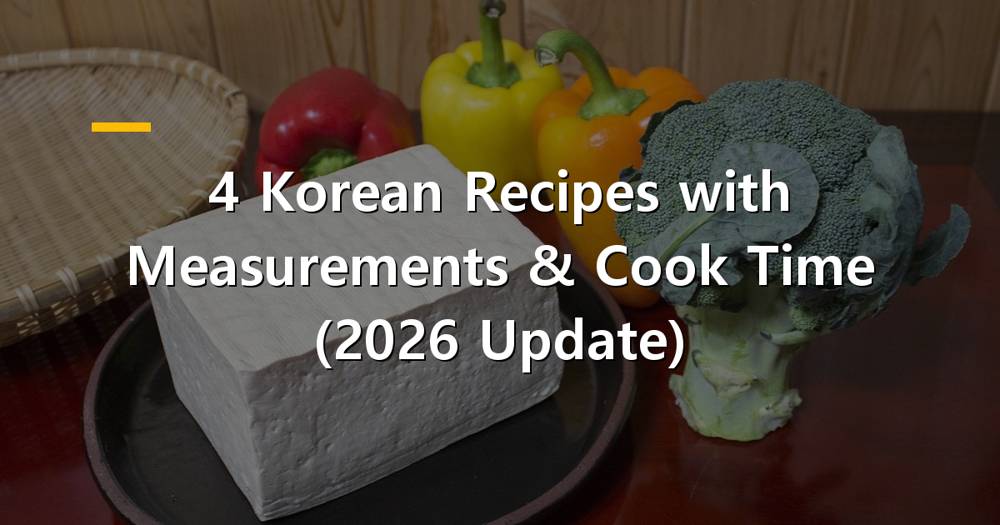
4 Korean Recipes with Measurements & Cook Time (2026 Update)
I've always loved Korean food, but getting those restaurant-quality flavors at home can be tricky without exact proportions. After years of trial and error, I've finally nailed down some of my favorite Korean recipes with the precise measurements and cook times you need for perfect results in 2026.
Forget the guesswork! These recipes are designed to give you consistent, delicious outcomes every time, making your home cooking experience much more enjoyable. Let's get cooking!
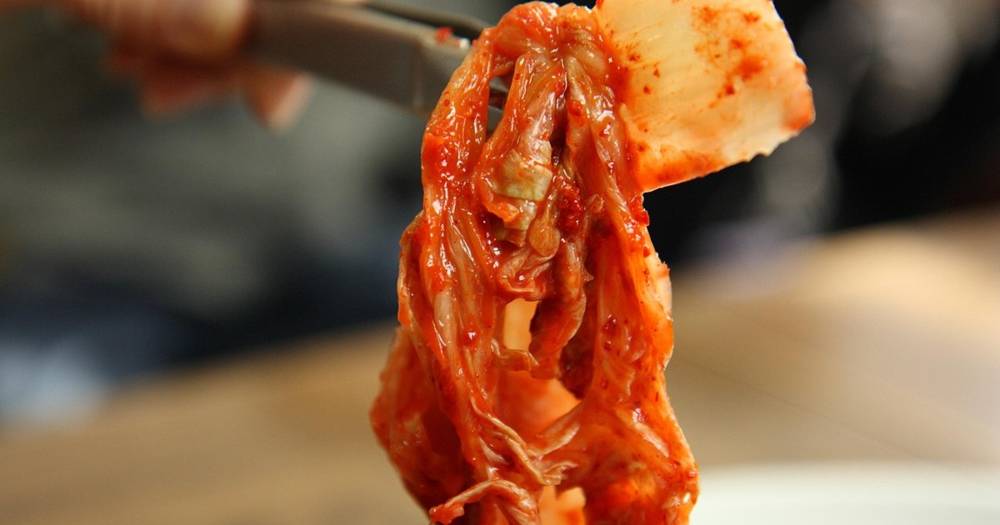
Kimchi Fried Rice (Kimchi Bokkeumbap)
Kimchi fried rice is my go-to comfort food, a savory and slightly spicy dish that's incredibly satisfying. The key is using well-fermented kimchi; it brings a deeper flavor and a delightful tang that truly makes the dish sing.
I've often found that too little kimchi makes it bland, but too much can overpower everything. This recipe strikes the perfect balance.
Ingredients (Serves 2)
- 2 cups cooked cold rice (day-old rice works best)
- 1 cup chopped fermented kimchi
- 2 tbsp kimchi juice
- 150g pork belly or spam, diced
- 1/2 small onion, diced
- 2 cloves garlic, minced
- 1 tbsp gochujang (Korean chili paste)
- 1 tbsp soy sauce
- 1 tsp sugar
- 1 tbsp sesame oil
- 2 fried eggs (for topping)
- 1 green onion, chopped (for garnish)
- 1 tbsp cooking oil
Cook Time & Instructions (Total: 20 minutes)
- Prep (5 minutes): Dice pork belly/spam and onion, mince garlic, chop kimchi.
- Sauté (7 minutes): Heat 1 tbsp cooking oil in a large non-stick pan over medium-high heat. Add pork belly/spam and cook until crispy (about 5 minutes). Add onion and garlic, stir-fry for 2 minutes until fragrant.
- Add Kimchi (3 minutes): Stir in the chopped kimchi and kimchi juice. Cook for 3 minutes, stirring occasionally, until the kimchi softens.
- Combine (5 minutes): Add cold rice, gochujang, soy sauce, and sugar. Break up the rice with your spatula and mix everything thoroughly. Stir-fry for 5 minutes, ensuring all ingredients are well combined and heated through.
- Finish: Turn off the heat. Stir in 1 tbsp sesame oil. Serve immediately with a fried egg on top and garnish with chopped green onion.
Spicy Pork Stir-fry (Jeyuk Bokkeum)
Jeyuk Bokkeum is a vibrant, spicy, and incredibly flavorful dish that's a staple in many Korean households. It's often served with rice and various banchan (side dishes), making for a truly satisfying meal.
The marinade is where all the magic happens. I've tweaked my recipe over time to ensure the pork is tender and absorbs all those fantastic spices.
Ingredients (Serves 2-3)
- 400g pork shoulder or pork belly, thinly sliced
- 1/2 onion, thinly sliced
- 1/2 carrot, thinly sliced
- 1/2 green bell pepper, thinly sliced
- 1 green onion, chopped (for garnish)
- 1 tbsp cooking oil
Marinade:
- 3 tbsp gochujang
- 1 tbsp gochugaru (Korean chili flakes)
- 2 tbsp soy sauce
- 2 tbsp mirin (rice wine)
- 1 tbsp sugar or honey
- 1 tbsp minced garlic
- 1 tsp minced ginger
- 1 tbsp sesame oil
- 1/4 tsp black pepper
Cook Time & Instructions (Total: 30 minutes)
- Marinate (15-20 minutes): In a large bowl, combine all marinade ingredients. Add the sliced pork and mix well to coat. Let it marinate for at least 15-20 minutes at room temperature, or up to 2 hours in the refrigerator for deeper flavor.
- Stir-fry (10 minutes): Heat 1 tbsp cooking oil in a large pan or wok over medium-high heat. Add the marinated pork and spread it out in a single layer. Cook for 3-4 minutes without stirring, allowing it to char slightly.
- Add Vegetables (5 minutes): Stir the pork, then add the sliced onion, carrot, and green bell pepper. Continue to stir-fry for another 5-6 minutes until the pork is cooked through and the vegetables are tender-crisp.
- Serve: Garnish with chopped green onion and serve hot with steamed rice.
Korean Rolled Omelette (Gyeran Mari)
Gyeran Mari, or Korean rolled omelette, is a fantastic side dish that's both simple and elegant. It’s perfect for banchan, lunchboxes, or even a light snack. My kids absolutely love this, especially with a bit of cheese tucked inside.
Achieving that perfect, tight roll takes a little practice, but it's incredibly rewarding. Don't worry if your first attempt isn't flawless; it'll still taste great!
Ingredients (Serves 2-3)
- 4 large eggs
- 2 tbsp chopped carrot (finely diced)
- 2 tbsp chopped green onion (finely diced)
- 1 tbsp milk or water
- 1/4 tsp salt
- Pinch of black pepper
- 1 tsp cooking oil
Optional additions:
- 1 slice cheese, cut into thin strips
- 1 tbsp chopped ham or bell pepper
Cook Time & Instructions (Total: 15 minutes)
- Prep (5 minutes): Whisk eggs in a bowl. Add chopped carrot, green onion, milk/water, salt, and pepper. Mix well.
- Cook First Layer (3 minutes): Heat a non-stick rectangular pan (or a round pan, it just makes a less even roll) over medium-low heat and add 1 tsp cooking oil. Pour about 1/3 of the egg mixture into the pan, spreading it thinly to cover the bottom.
- Roll (5 minutes): As the egg sets but is still slightly wet on top, gently push one side of the egg towards the center and start rolling it into a log. If adding cheese, place thin strips of cheese on the rolled portion before continuing to roll.
- Repeat & Finish (2 minutes): Push the rolled egg to one side of the pan. Pour another 1/3 of the egg mixture into the empty space, letting some seep under the existing roll. Once this layer sets, continue rolling the existing log over the new egg layer. Repeat with the remaining egg mixture.
- Slice: Once fully rolled and cooked, slide the omelette onto a cutting board. Let it cool for a minute, then slice into 1-inch thick pieces.
Spicy Cold Noodles (Bibim Guksu)
Bibim Guksu, or spicy cold noodles, is an absolute lifesaver on a hot summer day. It's refreshing, tangy, and has that signature kick from gochujang that I just can't get enough of. I particularly love the crunchy texture of fresh vegetables against the chewy noodles.
This dish comes together surprisingly fast, making it a perfect quick meal.
Ingredients (Serves 2)
- 200g somen noodles (or thin wheat noodles)
- 1/2 cucumber, julienned
- 1/2 carrot, julienned
- 1/4 cup kimchi, chopped (optional)
- 1 hard-boiled egg, halved (for garnish)
- Roasted sesame seeds (for garnish)
Sauce:
- 3 tbsp gochujang
- 1 tbsp gochugaru
- 2 tbsp rice vinegar
- 1 tbsp soy sauce
- 1 tbsp sugar or corn syrup
- 1 tbsp sesame oil
- 1 tbsp minced garlic
- 1 tsp roasted sesame seeds
Cook Time & Instructions (Total: 15 minutes)
- Prepare Vegetables (5 minutes): Julienne cucumber and carrot. If using, chop kimchi.
- Cook Noodles (5 minutes): Boil somen noodles according to package directions (usually 2-3 minutes). Drain immediately and rinse thoroughly under cold running water until completely cool. Drain again very well.
- Make Sauce (3 minutes): In a large bowl, whisk together all sauce ingredients until well combined.
- Combine (2 minutes): Add the drained cold noodles, julienned cucumber, and carrot to the sauce. Mix well until the noodles and vegetables are thoroughly coated with the sauce.
- Serve: Divide into bowls, garnish with halved hard-boiled egg and roasted sesame seeds. Serve immediately.
Essential Korean Cooking Tips for 2026
Mastering Korean cuisine goes beyond just following a recipe; it's about understanding some fundamental principles. Over the years, I've picked up a few crucial tips that elevate my home-cooked Korean dishes.
These small details can make a significant difference in taste and texture, ensuring your efforts pay off with delicious results.
- Use Authentic Ingredients: While substitutes exist, authentic Korean ingredients like gochujang, gochugaru, and good quality sesame oil are irreplaceable for achieving genuine flavors. Visit your local Asian market or order online.
- Balance Flavors: Korean cooking often balances sweet, salty, spicy, and savory. Don't be afraid to taste and adjust! A little sugar can cut spiciness, and a dash of soy sauce can deepen umami.
- Fermented Kimchi is Key: For dishes like Kimchi Fried Rice or Kimchi Jjigae, well-fermented (sour) kimchi provides depth and tang that fresh kimchi simply can't. If your kimchi isn't sour enough, let it sit out at room temperature for a day or two before using.
- Knife Skills Matter: Many Korean dishes rely on thinly sliced or julienned ingredients for optimal texture and faster cooking. Practicing your knife skills will make a big difference, especially for stir-fries and salads.
- Don't Overcook Vegetables: Most vegetables in Korean stir-fries and side dishes are meant to be tender-crisp, not soft and mushy. Cook them quickly over high heat to retain their texture and vibrant color.
By keeping these tips in mind, you'll find your Korean cooking skills improving dramatically throughout 2026.
Frequently Asked Questions
A. Yes, many Korean recipes are easily adaptable! For Kimchi Fried Rice, omit pork belly and use plant-based meat substitutes or extra vegetables. Ensure your kimchi is vegan (some contain fermented shrimp). For Jeyuk Bokkeum, use firm tofu or mushrooms. Gyeran Mari can be made with egg replacers, though the texture will differ. Bibim Guksu is often already vegetarian; just omit the egg or use a plant-based egg substitute.
A. For most Korean dishes, a short-grain white rice is preferred. It has a slightly sticky, chewy texture that complements the strong flavors of Korean cuisine. Medium-grain rice can also work. Avoid long-grain rice like Basmati or Jasmine, as they are too fluffy and separate too easily.
A. Most cooked Korean dishes, like Kimchi Fried Rice and Jeyuk Bokkeum, can be stored in an airtight container in the refrigerator for up to 3-4 days. Reheat thoroughly. Bibim Guksu is best eaten fresh as the noodles can become soggy. Gyeran Mari also stores well in the fridge and can be eaten cold or gently reheated.
A. Banchan are small side dishes served alongside rice and the main course in Korean cuisine. They are crucial for a balanced meal, offering a variety of flavors, textures, and nutrients. Common banchan include various kinds of kimchi, marinated vegetables, and seasoned tofu. They enhance the overall dining experience and are often shareable.
I hope these detailed recipes for 2026 inspire you to cook more Korean food at home! Getting the measurements right makes all the difference, and I've found these ratios to be consistently delicious. Don't be afraid to experiment a little and make them your own.
Which Korean dish are you excited to try first? Share your thoughts and any personal tips you have in the comments below!
🍜 Discover More Korean Sides