
9 Korean Recipes with Measurements & Cook Time (2026 Family Favorites)
Cooking Korean food at home can feel a bit daunting, especially when you're trying to get those flavors just right. I know I used to struggle with vague instructions and guesswork, leading to some truly "experimental" meals. But with the right measurements and clear cook times, it's actually incredibly satisfying!
This 2026 guide focuses on nine family-friendly Korean recipes, complete with precise ingredient amounts and estimated cooking durations. You'll find everything from comforting stews to savory pancakes, making your weeknight dinners exciting and delicious.
★ 30-Second Key Summary
- 🍜 Variety: 9 popular family-friendly Korean dishes
- ⏱️ Cook Time: Ranges from 25 min to 1h 15 min
- 📏 Measurements: All recipes include precise quantities
- 🌶️ Spice Levels: Adjustable for various preferences
- Classic Kimchi Jjigae (Kimchi Stew)
- Hearty Doenjang Jjigae (Soybean Paste Stew)
- Colorful Bibimbap (Mixed Rice with Vegetables)
- Spicy Pork Bulgogi (Daeji Bulgogi)
- Crispy Haemul Pajeon (Seafood Pancake)
- Comforting Galbi Jjim (Braised Short Ribs)
- Savory Japchae (Stir-fried Glass Noodles)
- Quick Kimchi Fried Rice (Kimchi Bokkeumbap)
- Spicy Tteokbokki (Spicy Rice Cakes)
- Recipe Difficulty & Cost Comparison
- Essential Korean Cooking Tips
- Frequently Asked Questions
- Conclusion: Your Korean Kitchen Journey
1. Classic Kimchi Jjigae (Kimchi Stew)
Kimchi jjigae is a staple in Korean homes, and for good reason. It's warm, spicy, and incredibly flavorful, perfect for a chilly evening. I remember my first time making it, I was surprised how simple it was to achieve such a rich taste.
This recipe focuses on bringing out the deep umami from fermented kimchi and pork. Don't skip the aged kimchi for the best results!
Ingredients (Serves 2-3)
- Aged kimchi: 1.5 cups (chopped)
- Pork belly or shoulder: 6 oz (sliced)
- Tofu: 0.5 block (firm, sliced)
- Onion: 0.5 medium (sliced)
- Green onion: 1 stalk (chopped)
- Garlic: 2 cloves (minced)
- Gochugaru (Korean chili flakes): 1-2 tbsp (adjust to taste)
- Gochujang (Korean chili paste): 0.5 tbsp
- Soy sauce: 1 tbsp
- Sesame oil: 1 tsp
- Water or anchovy broth: 3 cups
Instructions & Cook Time (Approx. 35 minutes)
- In a pot, sauté pork with sesame oil for 5 minutes until browned.
- Add kimchi and continue to sauté for another 5 minutes.
- Stir in minced garlic, gochugaru, gochujang, and soy sauce. Cook for 1 minute.
- Pour in water/broth, bring to a boil, then reduce heat and simmer for 15 minutes.
- Add tofu and onion, simmer for another 5 minutes.
- Garnish with green onion before serving.
2. Hearty Doenjang Jjigae (Soybean Paste Stew)
Doenjang jjigae is the ultimate comfort food, a savory and earthy stew that's surprisingly easy to make. It's less spicy than kimchi jjigae, making it a great option for those who prefer milder flavors.
The key here is good quality doenjang (fermented soybean paste) and plenty of vegetables. You can customize the vegetables based on what you have in your fridge.
Ingredients (Serves 2-3)
- Doenjang (soybean paste): 2 tbsp
- Water or anchovy broth: 3 cups
- Pork belly or beef brisket: 4 oz (sliced, optional)
- Zucchini: 0.5 medium (sliced)
- Potato: 0.5 medium (cubed)
- Onion: 0.25 medium (sliced)
- Tofu: 0.5 block (firm, cubed)
- Mushrooms (e.g., enoki, shiitake): 2 oz
- Green chili pepper: 1 (sliced, optional)
- Garlic: 1 clove (minced)
- Gochugaru (optional): 0.5 tsp
Instructions & Cook Time (Approx. 30 minutes)
- If using meat, sauté pork/beef in a pot for 5 minutes until lightly browned.
- Add doenjang and minced garlic, sauté for 1-2 minutes.
- Pour in water/broth, bring to a boil, then add potato and onion. Simmer for 10 minutes.
- Add zucchini, mushrooms, and tofu. If using, add gochugaru and chili pepper.
- Simmer for another 10 minutes until vegetables are tender.
3. Colorful Bibimbap (Mixed Rice with Vegetables)
Bibimbap is not just a meal; it's a beautiful, edible artwork. It's incredibly versatile, allowing you to use whatever vegetables you have on hand. For me, the best part is mixing everything together with a dollop of gochujang.
The key to a good bibimbap is fresh, vibrant ingredients and perfectly cooked rice. A fried egg on top is non-negotiable!
Ingredients (Serves 1-2)
- Cooked short-grain rice: 1 cup
- Beef (ground or thinly sliced sirloin): 3 oz
- Spinach: 1 cup
- Carrot: 0.5 medium (julienned)
- Zucchini: 0.25 medium (julienned)
- Mushrooms (shiitake or oyster): 2 oz (sliced)
- Bean sprouts: 0.5 cup
- Egg: 1
- Gochujang: 1-2 tbsp
- Sesame oil: 1 tbsp
- Garlic: 1 clove (minced, for vegetables)
- Soy sauce: 1 tsp (for beef/mushrooms)
- Sugar: 0.5 tsp (for beef)
Instructions & Cook Time (Approx. 40 minutes)
- Prepare vegetables: blanch spinach and bean sprouts for 30 seconds, then drain and season with sesame oil and minced garlic. Sauté carrot, zucchini, and mushrooms separately with a pinch of salt until tender (2-3 minutes each).
- Marinate beef with soy sauce, sugar, and a dash of sesame oil. Sauté until cooked through (5-7 minutes).
- Fry an egg sunny-side up or to your preference (2-3 minutes).
- Assemble: Place cooked rice in a bowl. Arrange all prepared vegetables, beef, and the fried egg on top.
- Serve with gochujang and an extra drizzle of sesame oil.
4. Spicy Pork Bulgogi (Daeji Bulgogi)
While beef bulgogi is famous, spicy pork bulgogi, or daeji bulgogi, is a personal favorite. It's incredibly flavorful and satisfying, with a perfect balance of sweet, savory, and spicy. I often make a double batch of the marinade because it's so good.
The key to tender pork bulgogi is thinly sliced meat and a good marinating time. Grilling or pan-frying works equally well.
Ingredients (Serves 2-3)
- Pork shoulder or butt: 1 lb (thinly sliced)
- Onion: 0.5 medium (sliced)
- Green onions: 2 stalks (cut into 2-inch pieces)
- Marinade:
- Gochujang: 2 tbsp
- Gochugaru: 1 tbsp
- Soy sauce: 2 tbsp
- Mirin (rice wine): 1 tbsp
- Sugar or honey: 1 tbsp
- Sesame oil: 1 tbsp
- Garlic: 3 cloves (minced)
- Ginger: 0.5 tsp (grated)
- Black pepper: 0.25 tsp
Instructions & Cook Time (Approx. 25 minutes + marinating)
- In a large bowl, combine all marinade ingredients.
- Add pork slices and sliced onion to the marinade, mixing well to coat thoroughly. Marinate for at least 30 minutes, or up to 4 hours in the refrigerator.
- Heat a large pan or grill over medium-high heat. Add the marinated pork and cook, stirring occasionally, until the pork is cooked through and slightly caramelized (10-15 minutes).
- Stir in green onions during the last 2-3 minutes of cooking.
5. Crispy Haemul Pajeon (Seafood Pancake)
Haemul Pajeon is a savory pancake studded with green onions and various seafood. It's a fantastic appetizer or a light meal, especially when paired with makgeolli (Korean rice wine). Getting that perfect crispy edge while keeping the inside tender can be a challenge, but practice makes perfect!
Using ice-cold water for the batter and not overmixing it are my top tips for achieving a light, crispy texture.
Ingredients (Makes 2 pancakes)
- All-purpose flour: 1 cup
- Cornstarch or rice flour: 2 tbsp
- Ice water: 1 cup
- Egg: 1
- Green onions: 1 bunch (about 8-10 stalks, cut into 3-4 inch pieces)
- Mixed seafood (shrimp, squid, mussels): 4 oz (chopped into bite-sized pieces)
- Oil: 3-4 tbsp (for frying)
- Dipping Sauce: Soy sauce, vinegar, pinch of sugar, sesame seeds
Instructions & Cook Time (Approx. 30 minutes)
- In a bowl, whisk together flour, cornstarch, ice water, and egg until just combined (do not overmix, lumps are okay).
- Heat 2 tbsp oil in a large non-stick pan over medium-high heat.
- Pour half of the batter into the pan. Immediately arrange half of the green onion pieces and half of the seafood evenly over the batter.
- Cook for 5-7 minutes until the bottom is golden brown and crispy. Carefully flip the pancake.
- Add another 1 tbsp oil around the edges and cook for another 5-7 minutes until the other side is golden and crispy. Repeat for the second pancake.
- Serve immediately with dipping sauce.
6. Comforting Galbi Jjim (Braised Short Ribs)
Galbi Jjim is a showstopper, often reserved for special occasions due to its preparation time. But trust me, the tender, fall-off-the-bone beef ribs in a rich, sweet, and savory sauce are absolutely worth every minute. It's one of those dishes that really impresses.
Soaking the ribs to remove blood is crucial for a clean flavor, and a pressure cooker can significantly cut down the cooking time if you're in a hurry.
Ingredients (Serves 4)
- Beef short ribs: 2 lbs (flanken or English cut)
- Water: 4 cups
- Carrot: 1 large (chopped into large chunks)
- Radish (Korean or daikon): 0.5 medium (chopped into large chunks)
- Onion: 0.5 medium (quartered)
- Garlic: 5 cloves (whole)
- Ginger: 1-inch piece (sliced)
- Sauce:
- Soy sauce: 0.5 cup
- Sugar or honey: 3 tbsp
- Mirin: 2 tbsp
- Sesame oil: 1 tbsp
- Black pepper: 0.5 tsp
- Water: 0.5 cup
- Garnish: Green onions, sesame seeds
Instructions & Cook Time (Approx. 1 hour 45 minutes + soaking)
- Soak short ribs in cold water for at least 1 hour (changing water 2-3 times) to remove excess blood. Drain and rinse.
- Blanch ribs in boiling water for 10 minutes, then drain and rinse again.
- In a large pot, combine the blanched ribs, water, carrot, radish, onion, garlic, and ginger. Bring to a boil, then reduce heat and simmer for 1 hour, skimming off any foam.
- While simmering, mix all sauce ingredients in a separate bowl.
- After 1 hour, remove onion, garlic, and ginger. Add the prepared sauce to the pot. Continue simmering for another 30-45 minutes, or until ribs are very tender and the sauce has thickened.
- Garnish with green onions and sesame seeds.
7. Savory Japchae (Stir-fried Glass Noodles)
Japchae is a beautiful and delicious dish of stir-fried glass noodles and vegetables. It's often served at celebrations, but it's also a fantastic side dish or even a light main. The chewy texture of the sweet potato noodles is what makes it so unique.
Cooking each vegetable separately might seem like extra work, but it really helps maintain their individual textures and flavors, which is key to great japchae.
Ingredients (Serves 2-3)
- Sweet potato glass noodles (dangmyeon): 6 oz
- Beef (bulgogi cut or sirloin): 4 oz (thinly sliced)
- Spinach: 2 cups
- Carrot: 0.5 medium (julienned)
- Onion: 0.25 medium (sliced)
- Mushrooms (shiitake or oyster): 3 oz (sliced)
- Green onion: 1 stalk (cut into 2-inch pieces)
- Garlic: 2 cloves (minced)
- Soy sauce: 3 tbsp
- Sugar: 1 tbsp
- Sesame oil: 2 tbsp
- Sesame seeds: 1 tsp
- Black pepper: 0.25 tsp
Instructions & Cook Time (Approx. 45 minutes)
- Cook glass noodles according to package directions (usually boiling for 6-8 minutes). Drain, rinse with cold water, and toss with 1 tbsp sesame oil to prevent sticking. Cut into shorter pieces with scissors.
- Marinate beef with 1 tbsp soy sauce, 0.5 tsp sugar, 0.5 tbsp sesame oil, and a pinch of black pepper for 10 minutes.
- Separately sauté spinach (blanched), carrot, onion, and mushrooms with a dash of sesame oil and salt until tender (2-3 minutes each). Set aside.
- Sauté marinated beef until cooked through (5-7 minutes).
- In a large pan or wok, combine the cooked noodles, all sautéed vegetables, and beef. Add remaining soy sauce, sugar, sesame oil, minced garlic, and black pepper.
- Stir-fry for 3-5 minutes until well combined and heated through. Taste and adjust seasoning.
- Garnish with sesame seeds and green onion before serving.
8. Quick Kimchi Fried Rice (Kimchi Bokkeumbap)
Kimchi bokkeumbap is my go-to for a quick, satisfying meal using leftover rice. It's incredibly flavorful, customizable, and always a crowd-pleaser. Plus, it's a great way to use up aged kimchi that might be getting a bit too sour for stew.
Using day-old rice is key here; fresh rice can make the fried rice mushy. A fried egg on top is highly recommended!
Ingredients (Serves 1-2)
- Day-old cooked rice: 2 cups
- Kimchi: 1 cup (chopped)
- Pork belly or Spam: 3 oz (diced)
- Onion: 0.25 medium (diced)
- Kimchi juice: 2 tbsp
- Gochujang (optional): 1 tsp
- Soy sauce: 1 tbsp
- Sesame oil: 1 tbsp
- Egg: 1 (for topping)
- Green onions: 1 stalk (chopped, for garnish)
- Seaweed flakes (gim-garu): for garnish
Instructions & Cook Time (Approx. 20 minutes)
- Heat a large pan with a drizzle of oil over medium-high heat. Add pork belly/Spam and cook until crispy (5-7 minutes). Remove meat and set aside, leaving the rendered fat in the pan.
- Add diced onion to the pan and sauté for 2 minutes until softened.
- Stir in chopped kimchi and cook for 3-5 minutes until fragrant.
- Add day-old rice, kimchi juice, gochujang (if using), and soy sauce. Break up the rice with a spatula and stir-fry for 5-7 minutes until everything is well combined and heated through.
- Stir in the cooked pork/Spam and sesame oil.
- Serve immediately, topped with a fried egg, chopped green onions, and seaweed flakes.
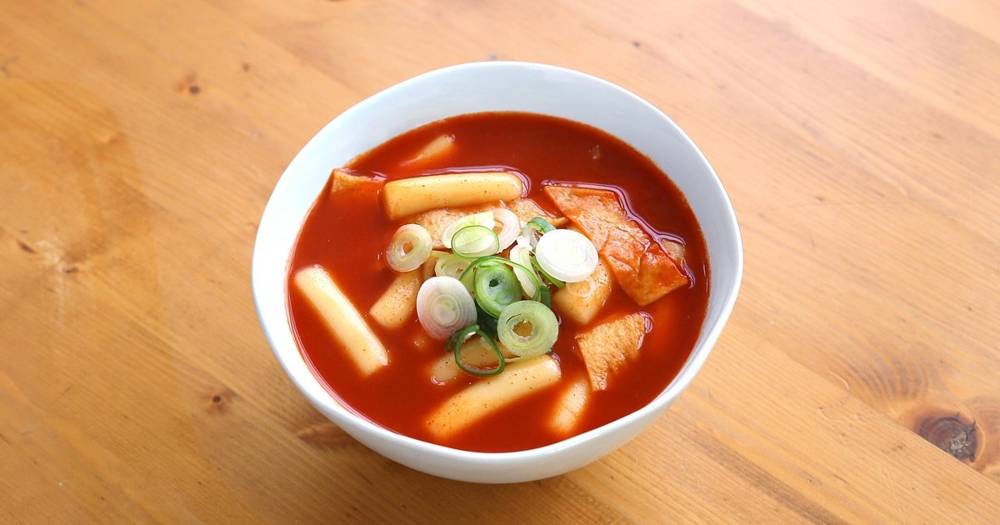
9. Spicy Tteokbokki (Spicy Rice Cakes)
Tteokbokki is one of Korea's most beloved street foods, and it's easy to see why! Chewy rice cakes drenched in a fiery, sweet, and savory gochujang sauce are simply irresistible. It's a dish I always crave when I need a quick flavor kick.
Using Korean fish cakes (eomuk) is traditional and adds another layer of flavor and texture. Don't be afraid to adjust the spice level to your preference!
Ingredients (Serves 2)
- Korean cylindrical rice cakes (tteokbokki tteok): 1 lb (soaked in warm water for 10 min if frozen/hard)
- Fish cakes (eomuk): 3-4 sheets (sliced into triangles or strips)
- Dashima (dried kelp) or anchovy broth: 3 cups
- Hard-boiled egg: 1-2 (for garnish, optional)
- Green onion: 1 stalk (cut into 2-inch pieces)
- Sauce:
- Gochujang: 3 tbsp
- Gochugaru: 1 tbsp (adjust to taste)
- Soy sauce: 1 tbsp
- Sugar or corn syrup: 1-2 tbsp
- Garlic: 1 clove (minced)
Instructions & Cook Time (Approx. 25 minutes)
- If using frozen or hard rice cakes, soak them in warm water for 10 minutes. Drain.
- In a medium pot, combine dashima/anchovy broth and all sauce ingredients. Bring to a boil, stirring until the gochujang is fully dissolved.
- Add rice cakes and fish cakes to the boiling sauce. Reduce heat to medium and simmer, stirring occasionally, for 10-15 minutes, or until the rice cakes are soft and chewy and the sauce has thickened.
- Stir in green onion during the last 2-3 minutes of cooking.
- Serve hot, garnished with hard-boiled eggs if desired.
Recipe Difficulty & Cost Comparison
When choosing a Korean dish, it's helpful to consider both the effort involved and the general cost of ingredients. Here's a quick comparison of the recipes we've covered, based on average ingredient prices and preparation time in 2026.
- Kimchi Fried Rice: ~20 min, $3-5 per serving
- Tteokbokki: ~25 min, $4-6 per serving
- Kimchi Jjigae: ~35 min, $6-8 per serving
- Doenjang Jjigae: ~30 min, $5-7 per serving
- Pork Bulgogi: ~25 min (plus marinating), $7-9 per serving
- Bibimbap: ~40 min, $8-10 per serving (due to many components)
- Haemul Pajeon: ~30 min, $9-12 per serving (seafood cost)
- Japchae: ~45 min, $8-10 per serving
- Galbi Jjim: ~1h 45 min (plus soaking), $15-25+ per serving (short rib cost)
- Consider bulk buying ribs for better value.
Essential Korean Cooking Tips
To truly elevate your Korean cooking, a few general tips can make a huge difference. These are things I've learned over countless hours in the kitchen, and they've saved me from many culinary missteps.
✅ Pro Tips for Authentic Korean Flavors
- Use aged kimchi: For stews like Kimchi Jjigae, older, sour kimchi provides a deeper, more complex flavor. Newer kimchi is better for fresh salads or eating raw.
- Invest in key condiments: Gochujang (chili paste), gochugaru (chili flakes), doenjang (soybean paste), and good quality soy sauce are non-negotiables.
- Taste as you go: Korean cooking often involves adjusting flavors. Don't be afraid to taste and add more salt, sugar, or spice until it hits your sweet spot.
- Thinly slice ingredients: Many Korean dishes feature thinly sliced meats and vegetables, which cook faster and absorb flavors better.
- Sesame oil and seeds are your friends: A drizzle of sesame oil and a sprinkle of toasted sesame seeds at the end adds a wonderful aroma and nutty flavor.
Remember that practice makes perfect, and don't be discouraged if your first attempt isn't exactly like your favorite restaurant. Every chef has their journey!
Frequently Asked Questions
Most Korean stews and stir-fries can be stored in airtight containers in the refrigerator for 3-4 days. Kimchi jjigae often tastes even better the next day! For dishes like japchae, you might need to add a splash of water or broth when reheating to prevent the noodles from drying out.
Absolutely! Many Korean dishes can be adapted. For stews, simply omit the meat and use vegetable broth instead of anchovy broth. Bibimbap is easily made vegetarian by skipping the beef. For Haemul Pajeon, you can replace seafood with extra vegetables like mushrooms or bell peppers. Just ensure your gochujang and doenjang are vegan-friendly, as some brands might contain animal products.
Your best bet is a local Asian grocery store, specifically a Korean one if available. Many larger supermarkets also have an international aisle with basic Korean condiments. Online Asian grocers are also a great option, especially for specialty items like particular types of rice cakes or noodles. Look for brands imported directly from Korea for the most authentic flavor.
The primary sources of spice in these recipes are gochugaru (chili flakes) and gochujang (chili paste). To reduce spice, simply use less gochugaru or omit it entirely. For gochujang, you can try reducing the amount and adding a bit more soy sauce or sugar to maintain flavor balance. Always taste and adjust gradually!
Conclusion: Your Korean Kitchen Journey
I hope these 9 Korean recipes with precise measurements and cook times inspire you to explore the wonderful world of Korean cuisine in 2026. From the comforting warmth of Kimchi Jjigae to the vibrant freshness of Bibimbap, there's a dish here for every taste and occasion. Don't be afraid to experiment and make these recipes your own!
Which one will you try first? Share your thoughts and experiences in the comments below. Happy cooking, and enjoy these delicious family favorites!
