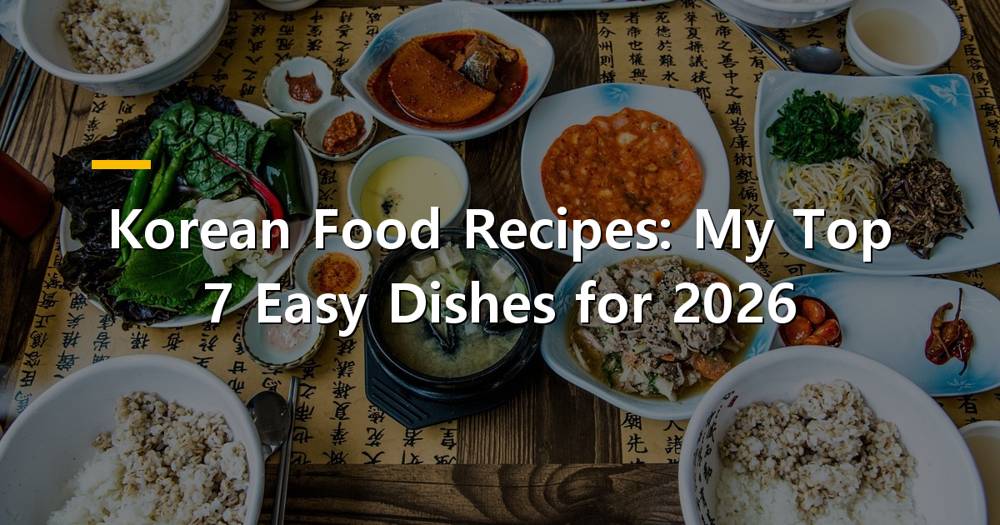
Korean Food Recipes: My Top 7 Easy Dishes for 2026
I've always been fascinated by Korean cuisine, and over the years, I've tried my hand at countless dishes. From spicy stews to savory pancakes, there's just so much flavor to explore!
For 2026, I wanted to share my absolute favorite Korean food recipes that are not only delicious but also surprisingly easy to whip up at home. You don't need to be a seasoned chef to enjoy these authentic tastes.
Whether you're looking for a quick weeknight meal or something to impress your friends, these recipes cover a fantastic range, including some great Korean food recipes vegetarian options. Let's get cooking!
- Quick & Easy Japchae (Glass Noodle Stir-fry)
- Crispy Vegetable Pajeon (Scallion Pancake)
- Simple & Healthy Gimbap (Korean Seaweed Rice Rolls)
- Comforting Doenjang Jjigae (Soybean Paste Stew)
- My Go-To Dakgalbi (Spicy Stir-fried Chicken)
- Effortless Kimchi Bokkeumbap (Kimchi Fried Rice)
- Essential Banchan: Quick Side Dishes
- Frequently Asked Questions
Quick & Easy Japchae (Glass Noodle Stir-fry)
Japchae is one of those dishes that looks incredibly impressive but is actually quite simple to make. This colorful glass noodle stir-fry is a staple at Korean celebrations, but it’s also a fantastic everyday meal.
The key here is prepping your vegetables beforehand, as the actual cooking process is super fast. I always make sure to have plenty of spinach, carrots, and mushrooms ready to go for this one.
It's also a great way to use up any leftover veggies in your fridge, making it a very versatile dish. This recipe is a strong contender for Korean food recipes easy category.
Ingredients for Japchae
- 150g sweet potato starch noodles (dangmyeon)
- 100g beef or firm tofu, thinly sliced
- 1 onion, thinly sliced
- 1 carrot, julienned
- 1 cup spinach, blanched and squeezed dry
- 3-4 shiitake mushrooms, sliced
- 2 tbsp soy sauce
- 1 tbsp sesame oil
- 1 tbsp sugar
- 2 cloves garlic, minced
- Pinch of black pepper
My Simple Japchae Steps
- Cook dangmyeon noodles according to package directions. Drain, rinse with cold water, and toss with a drizzle of sesame oil to prevent sticking.
- In a large pan, stir-fry beef (or tofu) until cooked through. Remove and set aside.
- Sauté onions, carrots, and mushrooms until tender-crisp.
- Combine cooked noodles, beef/tofu, and vegetables in a large bowl.
- Whisk together soy sauce, sesame oil, sugar, minced garlic, and black pepper for the sauce. Pour over the mixture and toss well to combine.
Crispy Vegetable Pajeon (Scallion Pancake)
If you love crispy edges and savory flavors, then Pajeon is a must-try. While traditional Pajeon features seafood, I find the vegetable version just as satisfying, making it a perfect Korean food recipes vegetarian option.
The secret to its crispiness is using cold water for the batter and not overmixing. A good Pajeon is fluffy on the inside and wonderfully crunchy on the outside.
I often make this as a quick snack or a light dinner, especially when I'm craving something comforting. Serve it with a simple soy-vinegar dipping sauce for the best experience.
Ingredients for Pajeon
- 1 cup all-purpose flour
- 1/2 cup rice flour (optional, for extra crispiness)
- 1 1/2 cups cold water
- 1 large egg
- 1 bunch scallions, cut into 3-inch pieces
- 1/2 cup mixed vegetables (e.g., thinly sliced onion, carrot, bell pepper)
- Salt and pepper to taste
- Vegetable oil for frying
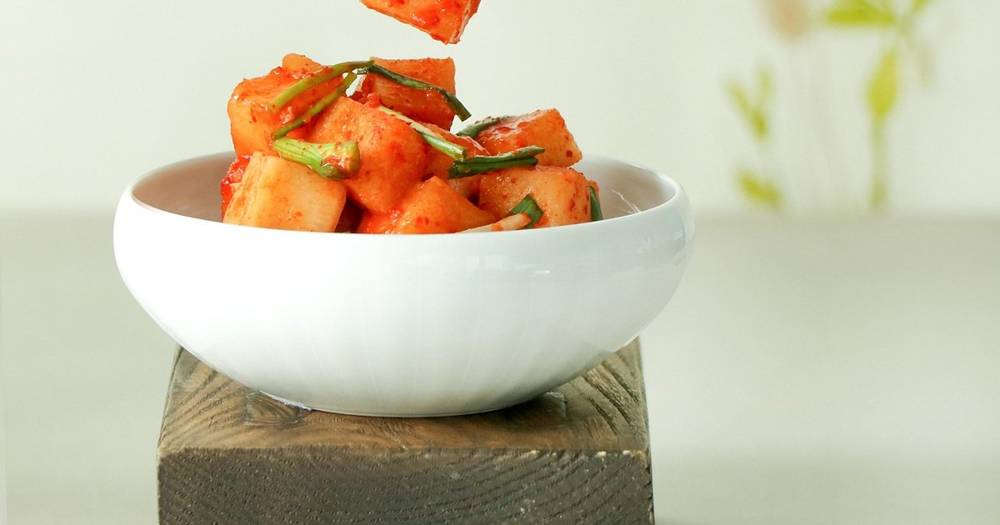
Making Perfect Vegetable Pajeon
- Whisk together flours, cold water, egg, salt, and pepper to form a smooth batter. Don't overmix; some small lumps are fine.
- Heat a large non-stick pan with a generous amount of oil over medium-high heat.
- Pour about 1/2 cup of batter into the pan, spreading it thinly. Arrange scallions and other vegetables evenly over the batter.
- Cook for 3-4 minutes until the bottom is golden brown and crispy. Flip carefully and cook for another 3-4 minutes until the other side is also golden.
- Repeat with remaining batter. Serve immediately with dipping sauce.
Simple & Healthy Gimbap (Korean Seaweed Rice Rolls)
Gimbap is often called the "Korean sushi roll," but it's distinct and incredibly versatile. It's a fantastic meal prep option and one of my go-to Korean food recipes healthy choices.
You can fill Gimbap with almost anything, from seasoned vegetables to cooked meat or tofu. The trick to a good roll is seasoning the rice properly and not overfilling it.
I find preparing all the fillings beforehand makes the rolling process much smoother. It's a bit of work initially, but the payoff is delicious, portable meals.
Key Gimbap Fillings
- Cooked short-grain rice, seasoned with sesame oil and salt
- Roasted seaweed sheets (gim)
- Thinly sliced carrot, stir-fried
- Spinach, blanched and seasoned with garlic and sesame oil
- Thinly sliced danmuji (pickled yellow radish)
- Egg omelet strips
- Cooked bulgogi or pan-fried tofu strips
Rolling Your Own Gimbap
- Place a seaweed sheet on a bamboo rolling mat. Spread a thin layer of seasoned rice evenly, leaving about an inch clear at the top edge.
- Arrange your chosen fillings horizontally across the center of the rice.
- Roll tightly from the bottom, pressing firmly. Moisten the top edge with water to seal.
- Brush the finished roll with a thin layer of sesame oil and sprinkle with sesame seeds.
- Slice into bite-sized pieces using a sharp, wet knife.
Comforting Doenjang Jjigae (Soybean Paste Stew)
Doenjang Jjigae is the ultimate comfort food in Korean cuisine, a rich and savory stew made with fermented soybean paste. It's incredibly warming and surprisingly easy to adapt for different tastes.
The depth of flavor comes from the doenjang itself, a unique Korean ingredient that I've grown to absolutely love. Pair it with a bowl of hot rice, and you've got a complete meal.
I often add mushrooms and zucchini to mine, but feel free to experiment with other vegetables. It's also a fantastic way to enjoy some hearty, healthy goodness.
Ingredients for Doenjang Jjigae
- 2 tbsp Korean soybean paste (doenjang)
- 1 tbsp gochujang (Korean chili paste, optional for heat)
- 2 cups anchovy broth or vegetable broth
- 1/2 block firm tofu, cubed
- 1/2 zucchini, half-moon sliced
- 1/2 onion, chopped
- 1 potato, cubed
- 2 shiitake mushrooms, sliced
- 1 green chili (optional), sliced
My Simple Stew Method
- In a small pot, combine doenjang, gochujang (if using), and broth. Bring to a boil, then reduce heat to simmer.
- Add onion, potato, and mushrooms. Cook until potatoes are almost tender.
- Stir in zucchini and tofu. Continue to simmer until all vegetables are cooked through and flavors have melded.
- If using, add green chili in the last few minutes for a fresh kick. Serve hot with rice.
My Go-To Dakgalbi (Spicy Stir-fried Chicken)
Dakgalbi is a personal favorite, offering a fantastic blend of spicy, sweet, and savory flavors. It's a bold dish, typically made with chicken thigh, and perfect for those who enjoy a bit of heat.
I remember trying this for the first time at a restaurant in Seoul, and I was hooked. Recreating it at home became a mission, and I've simplified it to be very approachable.
While often cooked on a large griddle, it works perfectly in a large pan or wok. This dish is definitely one of the best Korean food best dishes you can make at home.

Ingredients for Dakgalbi
- 500g boneless, skinless chicken thighs, cut into bite-sized pieces
- 1/2 onion, sliced
- 1 potato, sliced
- 1/2 zucchini, sliced
- 1/2 cup cabbage, roughly chopped
- Marinade: 3 tbsp gochujang, 2 tbsp soy sauce, 1 tbsp gochugaru (Korean chili powder), 1 tbsp sugar, 1 tbsp minced garlic, 1 tbsp ginger, 2 tbsp sesame oil
Cooking Delicious Dakgalbi
- Marinate chicken pieces with all marinade ingredients for at least 30 minutes, or preferably overnight in the fridge.
- Heat a large pan or wok over medium-high heat. Add the marinated chicken and stir-fry for 5-7 minutes.
- Add potatoes and onions, stir-fry for another 5 minutes until potatoes start to soften.
- Stir in zucchini and cabbage. Continue to cook, stirring occasionally, until chicken is cooked through and vegetables are tender.
- Serve immediately with rice or lettuce wraps.
Effortless Kimchi Bokkeumbap (Kimchi Fried Rice)
Kimchi Bokkeumbap is a lifesaver when you need a quick, flavorful meal. It's truly a testament to how versatile kimchi is, transforming simple ingredients into something extraordinary.
I always make sure to use aged kimchi for this, as its sourness and depth of flavor are crucial. Don't worry if your kimchi is a bit older; that's actually ideal for this recipe!
This dish is fantastic for using up leftover rice and makes for an incredibly satisfying meal. It’s definitely one of my top choices for Korean food recipes easy and quick.
Kimchi Bokkeumbap Essentials
- 2 cups cooked cold rice (day-old rice works best)
- 1 cup chopped kimchi, squeezed of excess liquid
- 1/2 cup kimchi juice (from squeezing the kimchi)
- 1/2 onion, diced
- 1 tbsp gochujang (optional, for extra spice)
- 1 tbsp soy sauce
- 1 tbsp sesame oil
- 1 fried egg per serving (optional, but highly recommended!)
- Sliced scallions and sesame seeds for garnish
Making Perfect Kimchi Fried Rice
- Heat a large pan with a drizzle of oil over medium-high heat. Sauté diced onion until softened.
- Add chopped kimchi and stir-fry for 2-3 minutes. If using gochujang, stir it in now.
- Add cold rice and break it up with your spatula. Pour in kimchi juice and soy sauce.
- Stir-fry everything together until well combined and heated through, about 5-7 minutes.
- Remove from heat, stir in sesame oil. Serve with a fried egg on top, garnished with scallions and sesame seeds.
Essential Banchan: Quick Side Dishes
No Korean meal is complete without banchan, the array of small side dishes that accompany the main course. They add so much variety and often bring a refreshing contrast to spicier dishes.
While some banchan can be complex, many are incredibly simple and quick to prepare. I always try to have at least two different types of banchan on my table.
Here are a couple of my favorite easy banchan ideas that complement any of the main Korean food recipes we've discussed. They're also great Korean food recipes vegetarian options.
Simple Banchan Ideas
- Seasoned Spinach (Sigeumchi Namul): Blanch fresh spinach, squeeze out water, then toss with sesame oil, minced garlic, soy sauce, and sesame seeds. It's incredibly quick and healthy.
- Spicy Cucumber Salad (Oi Muchim): Slice cucumbers thinly, lightly salt them, then drain excess water. Dress with gochugaru, minced garlic, soy sauce, sesame oil, and a touch of sugar.
- Soy Sauce Braised Potatoes (Gamja Jorim): Small potatoes braised in a savory-sweet soy sauce glaze with a hint of garlic. This one takes a bit longer but is a crowd-pleaser.
Frequently Asked Questions
Cooking Korean food at home is much easier than it seems, especially with the right staple ingredients like gochujang (chili paste), gochugaru (chili powder), doenjang (soybean paste), and sesame oil. Start with simple recipes like Kimchi Fried Rice or Japchae, focus on fresh vegetables, and don't be afraid to experiment with the balance of flavors.
For beginners, I highly recommend starting with Kimchi Bokkeumbap (Kimchi Fried Rice), Japchae (Glass Noodle Stir-fry), or Gyeran Mari (Rolled Omelet). These dishes require basic cooking techniques and common ingredients. The key is to follow simple steps and prepare your ingredients beforehand for a smooth process.
Beyond my top 7, some universally loved Korean dishes include Bibimbap (mixed rice bowl), Tteokbokki (spicy rice cakes), Bulgogi (marinated grilled beef), and Kimchi Jjigae (kimchi stew). These represent the diverse flavors and textures of Korean cuisine and are widely available and enjoyed worldwide. Give them a try!
Yes, absolutely! With the growing popularity of Korean culture, many cooking blogs, YouTube channels, and recipe websites now offer Korean food recipes in Hindi. A quick search on Google or YouTube for "Korean food recipes in Hindi" will yield many excellent resources and cooking demonstrations tailored for Hindi speakers.
Ready to Cook Korean?
I genuinely hope these recipes inspire you to explore the incredible world of Korean cuisine in 2026. These dishes have brought so much joy to my kitchen, and I'm confident they'll do the same for yours.
Don't be intimidated; the most important ingredient is always enthusiasm! Which of these Korean food recipes are you excited to try first?
Share your cooking adventures or favorite Korean dishes in the comments below!
Start Your Korean Cooking Journey!