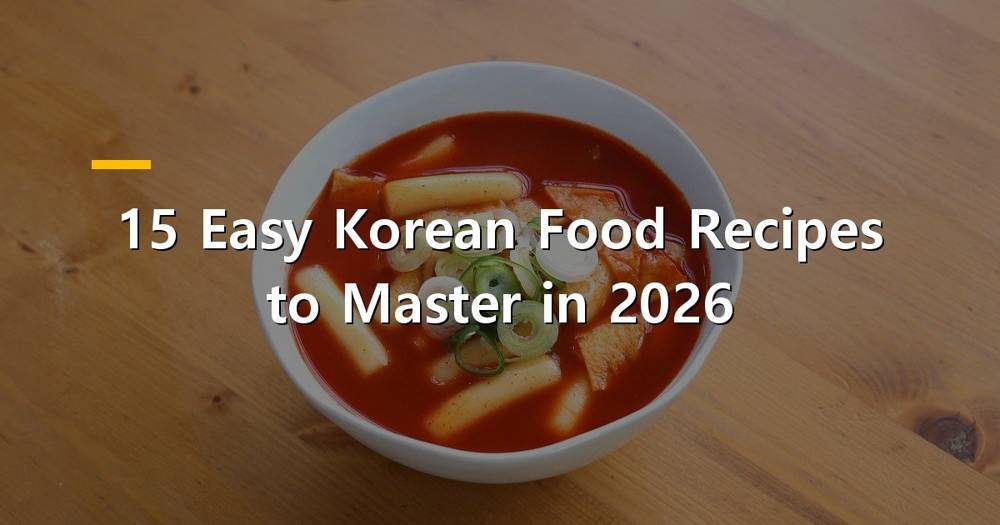
15 Easy Korean Food Recipes to Master in 2026
Have you ever wanted to dive into the wonderful world of Korean cuisine but felt intimidated by the complex-looking dishes? Trust me, I've been there! For years, I admired Korean food from afar, convinced I needed a special chef's touch to make it myself. But honestly, mastering a few korean food recipes easy to cook is totally achievable, even for total beginners.
In 2026, there's no better time to explore these vibrant flavors right in your own kitchen. I've personally tried and tested these recipes, finding the ones that truly simplify the process without sacrificing that authentic taste. Get ready to impress yourself and your family with these delicious and surprisingly straightforward dishes!
Essential Ingredients for Your Korean Kitchen
Before we jump into the delicious korean food recipes easy to cook, let's talk about stocking your pantry. You don't need a huge budget or a trip to an Asian specialty store for every single item, but having a few key ingredients makes a world of difference. Think of these as your flavor building blocks!
Gochujang (Korean chili paste) and Gochugaru (Korean chili flakes) are non-negotiable if you love a bit of spice. Honestly, I use them in so many dishes now, not just Korean ones. Soy sauce, sesame oil, and rice vinegar are also staples. Once you have these, you'll be surprised how many korean dinner recipes easy you can whip up.
Key Korean Pantry Staples
- Gochujang (Korean Chili Paste): Fermented chili paste, sweet and savory with a kick.
- Gochugaru (Korean Chili Flakes): Coarse ground chili powder, great for adding heat and color.
- Soy Sauce: Essential for umami and seasoning.
- Sesame Oil: Toasted sesame oil adds a distinct nutty aroma and flavor.
- Rice Vinegar: For a touch of acidity and balance.
- Mirin (Rice Cooking Wine): Adds sweetness and removes gamey odors from meat.
- Toasted Sesame Seeds: For garnish and extra texture.
- Garlic & Ginger: Fresh is best, always!
It's amazing how these simple ingredients can transform basic proteins and vegetables into something truly special. Don't be afraid to experiment with them!
Quick Starters & Side Dishes
Korean meals are all about the banchan (side dishes), and these are often the easiest to prepare. They add so much variety and texture to your meal, and honestly, they're often my favorite part. These are fantastic korean food recipes easy to start with.
1. Kimchi Jjigae (Kimchi Stew)
This is probably the most iconic Korean comfort food, and it's surprisingly simple to make. You just need some aged kimchi, tofu, pork (or mushrooms for a vegetarian version), and a few basic seasonings. It's warm, spicy, and deeply flavorful. Personally, I think it tastes even better the next day!
2. Gyeran Jjim (Steamed Egg Custard)
Fluffy, savory steamed eggs are a delightful side dish. It's incredibly light and quick, perfect when you need something simple to round out a meal. All you need are eggs, water or broth, and a pinch of salt. That's it! It’s one of those korean food recipes easy that feels like a magic trick.
3. Sigeumchi Namul (Seasoned Spinach)
Blanched spinach seasoned with garlic, soy sauce, and sesame oil. This healthy side dish is quick, refreshing, and adds a nice green element to any plate. It's a prime example of how delicious simple ingredients can be.
Pro Tip: When buying kimchi, look for "aged" or "fermented" kimchi for stews like Kimchi Jjigae. Fresh kimchi is delicious for eating raw, but aged kimchi provides the deep, sour flavor needed for a truly authentic stew.
Easy Korean Chicken Dishes
Chicken is a versatile protein, and there are so many fantastic korean food recipes easy chicken options that are packed with flavor. These are perfect for a weeknight dinner and will definitely become family favorites.
4. Dakgalbi (Spicy Stir-fried Chicken)
Imagine tender chicken pieces and vegetables like cabbage, sweet potatoes, and onions, all stir-fried in a fiery gochujang-based sauce. It's a one-pan wonder that's incredibly satisfying. You can even add rice cakes if you want! This is one of my go-to korean dinner recipes easy when I'm craving something hearty.
5. Korean Fried Chicken (Simplified)
While traditional Korean Fried Chicken (KFC) can be a bit involved, you can make a simplified version at home. Instead of double-frying, focus on getting a crispy coating and then tossing it in a delicious sweet and spicy glaze. There are plenty of great bottled sauces available in 2026 that make this even easier!
6. Jjimdak (Braised Chicken with Vegetables)
This dish features chicken, vegetables, and glass noodles braised in a savory soy-based sauce. It's less spicy than Dakgalbi but equally comforting and flavorful. The glass noodles soak up all the delicious sauce, making it a truly delightful meal.
Vegetarian & Plant-Based Korean Recipes
Korean cuisine offers a fantastic array of vegetarian options. Many traditional side dishes are naturally plant-based, and it's easy to adapt main courses. If you're looking for korean food recipes easy that are meat-free, you're in luck.
7. Bibimbap (Mixed Rice with Vegetables)
The ultimate healthy comfort food! A bowl of warm rice topped with an assortment of sautéed and seasoned vegetables (namul), often with a fried egg and a dollop of gochujang. You can easily omit the meat or use tofu for a completely plant-based version. It's incredibly customizable and always satisfying.
8. Japchae (Stir-fried Glass Noodles)
Sweet potato glass noodles stir-fried with various vegetables like spinach, carrots, mushrooms, and onions in a soy-sesame sauce. This dish is vibrant, flavorful, and naturally gluten-free if you use tamari. It's a fantastic side or a light main course.
9. Kimchi Bokkeumbap (Kimchi Fried Rice)
Using leftover rice and aged kimchi, this fried rice is quick, spicy, and incredibly delicious. Add a fried egg on top for extra richness. It’s one of those korean food recipes easy that's perfect for a quick lunch or dinner when you don't want to cook much.
Quick Tip: For a super quick Bibimbap, use pre-cut veggie mixes from the grocery store. Just give them a quick sauté and season them simply. It drastically cuts down on prep time!
Simple Korean Dinner Ideas for Weeknights
When you're short on time but craving something delicious, these korean dinner recipes easy options are your best friends. They're designed for minimal fuss and maximum flavor, proving that authentic Korean food doesn't have to be complicated.
10. Bulgogi (Marinated Beef BBQ)
While traditionally grilled, you can easily pan-fry thinly sliced marinated beef at home. The sweet and savory marinade is what makes Bulgogi so irresistible. Serve it with rice and lettuce wraps for a complete meal. It’s a classic for a reason.
11. Tteokbokki (Spicy Rice Cakes)
Chewy rice cakes simmered in a rich, spicy, and slightly sweet gochujang sauce. It's a popular street food that's surprisingly easy to recreate. You can add fish cakes, hard-boiled eggs, or ramen noodles to make it even heartier. This is one of my favorite korean food recipes easy that hits all the right spots.
12. Haemul Pajeon (Seafood Pancake)
A savory pancake loaded with green onions and various seafood like shrimp and squid. It's crispy on the outside, tender on the inside, and perfect for sharing. Serve with a simple soy-dipping sauce. Honestly, I had no idea this was so simple to make until I tried it myself.
Sweet Treats: Easy Korean Dessert Recipes
While savory dishes dominate Korean cuisine, there are some lovely and simple korean dessert recipes easy to make at home. These often feature natural sweetness and unique textures.
13. Hotteok (Sweet Korean Pancakes)
These chewy, sweet pancakes are a popular street food, filled with a mixture of brown sugar, cinnamon, and nuts. They're pan-fried until golden and gooey. Making them from scratch is incredibly rewarding and easier than you might think!
14. Sujeonggwa (Cinnamon Punch)
A refreshing, traditional Korean dessert drink made with ginger, cinnamon, and often dried persimmon. It's sweet, slightly spicy, and often served cold after a meal. It's surprisingly simple to brew a batch and keep it in the fridge.
15. Patbingsu (Shaved Ice with Red Beans) - Simplified
While elaborate Patbingsu can be complex, a simplified version is just shaved ice (you can use a blender for this!), topped with sweetened red beans (canned are fine!), condensed milk, and maybe some fresh fruit. It's a wonderfully refreshing summer treat and one of the easiest korean dessert recipes easy to whip up. This part is surprisingly important for cooling down after all that spicy food!
Chef's Secret: For the best results with Hotteok, use a non-stick pan and press them down gently with a spatula while frying. This helps create that perfectly crispy exterior.
Pro Tips for Easy Korean Cooking
Getting started with Korean cooking might seem daunting, but these little tips will make your journey much smoother and more enjoyable. From prepping to plating, these insights will elevate your home-cooked Korean meals.
- Prep Ahead: Many Korean dishes involve a lot of chopping. Get all your ingredients prepped (mise en place) before you start cooking to make the process much faster and less stressful. This is especially true for those multi-ingredient korean dinner recipes easy.
- Balance Flavors: Korean food is all about balance: spicy, sweet, savory, tangy. Taste as you go and adjust seasonings. Don't be afraid to add a little more sugar or a splash of vinegar if something feels off.
- Fresh Ingredients: While pantry staples are important, fresh vegetables and good quality protein make a huge difference in flavor and texture.
- Don't Fear the Ferment: Kimchi is your friend! It adds incredible depth of flavor and probiotics to your meals. If you're new to it, start with milder varieties.
- Serve Family Style: Korean meals are traditionally served with a main dish and multiple banchan (side dishes) for everyone to share. This encourages variety and a fun communal eating experience.
Frequently Asked Questions
For absolute beginners, I'd highly recommend Gyeran Jjim (steamed eggs), Sigeumchi Namul (seasoned spinach), and Kimchi Bokkeumbap (kimchi fried rice). They require minimal ingredients and simple techniques, making them perfect starting points for korean food recipes easy.
Absolutely! The heat level in most korean food recipes easy to cook is quite adjustable. Simply reduce the amount of gochujang (chili paste) or gochugaru (chili flakes) in your recipes. You can always add more at the table if someone prefers extra spice. Many dishes like Japchae or Bulgogi are naturally mild or non-spicy.
In 2026, most major supermarkets now carry essential Korean ingredients like gochujang, gochugaru, and sesame oil in their international aisles. For a wider selection, check out your local Asian grocery store or order online from specialty retailers. Don't underestimate the power of a well-stocked pantry!
Definitely! Hotteok (sweet pancakes) only needs a pan, and Sujeonggwa (cinnamon punch) just requires a pot for simmering. Even a simplified Patbingsu can be made with a blender for the ice, making korean dessert recipes easy and accessible without fancy equipment.
Ready to Cook Your First Korean Meal?
I hope this guide has inspired you to try some of these fantastic korean food recipes easy to prepare. Whether you're making a quick chicken dish or a comforting stew, the joy of creating these flavors at home is truly special. Don't be afraid to experiment and make them your own!
What's your favorite easy Korean dish, or which one are you most excited to try first? Share your thoughts and culinary adventures in the comments below! I'd love to hear about your experiences.
