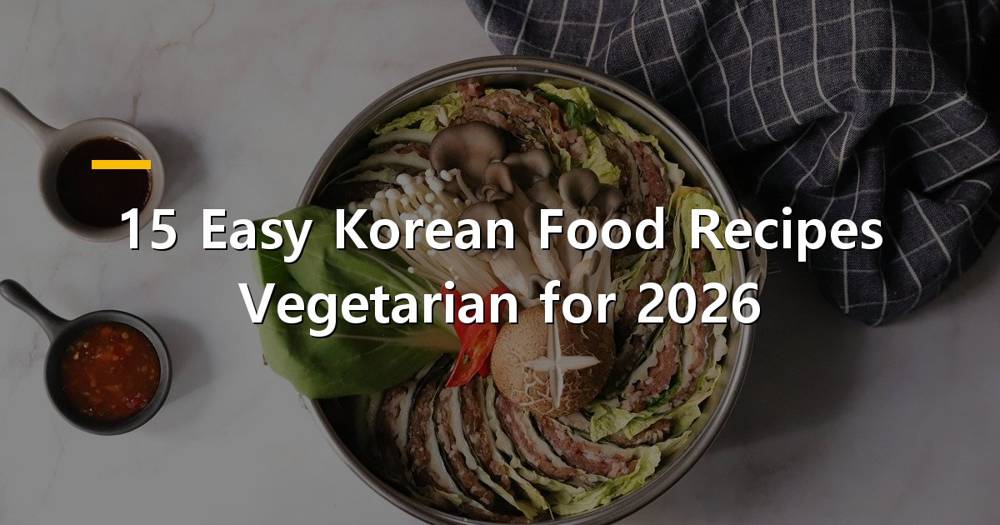
15 Easy Korean Food Recipes Vegetarian for 2026
Korean cuisine is absolutely amazing, and honestly, I thought I'd have to give up a lot of my favorite dishes when I first started exploring vegetarian options. But I was so wrong! There's a whole world of delicious Korean food recipes vegetarian that are just as flavorful and satisfying as their meat-based counterparts.
Whether you're a long-time vegetarian, trying out Meatless Mondays, or just looking for healthy and exciting new dinner ideas, you've come to the right place. These easy Korean food recipes vegetarian are perfect for any home cook in 2026, and many are naturally vegan or easily adaptable!
- Why Embrace Korean Vegetarian Food?
- Essential Korean Vegetarian Pantry Staples
- Kimchi-Focused Vegetarian Dishes
- Noodle & Rice Bowls (Korean Dinner Recipes Vegetarian)
- Korean BBQ Recipes Vegetarian & Hearty Sides
- Warm & Comforting Soups and Stews
- Snacks & Street Food Favorites
- Frequently Asked Questions
- Conclusion: Your Vegetarian Korean Culinary Journey
Why Embrace Korean Vegetarian Food?
Korean cuisine is renowned for its bold flavors, vibrant colors, and incredible variety. What many people don't realize is how many traditional Korean dishes are already vegetarian or easily made so. Vegetables, tofu, mushrooms, and various fermented ingredients play a huge role, making it a fantastic choice for plant-based diets.
You'll find that these Korean food recipes vegetarian aren't just good for you; they're packed with umami and incredible textures. Plus, cooking at home means you control the ingredients, ensuring everything aligns with your dietary preferences, whether you're strictly vegan or just trying to eat more plants. It's truly a win-win.
Essential Korean Vegetarian Pantry Staples
Before diving into the recipes, let's talk about some key ingredients you'll want to have on hand. These are the building blocks for most easy Korean food recipes vegetarian and will make your cooking experience so much smoother. Honestly, once you have these, you're pretty much set!
Key Ingredients to Stock Up On:
- Gochujang (Korean Chili Paste): This fermented chili paste is the heart of many Korean dishes. Look for brands that don't contain animal products for vegan options.
- Gochugaru (Korean Chili Flakes): Adds heat and vibrant color. Essential for kimchi and many stews.
- Soy Sauce: A given, right? Opt for low-sodium if you prefer.
- Sesame Oil: Toasted sesame oil provides that signature nutty aroma and flavor. A little goes a long way!
- Rice Vinegar: Adds a touch of acidity to dressings and marinades.
- Toasted Sesame Seeds: Great for garnish and texture.
- Garlic & Ginger: Fresh is always best for these aromatics.
- Scallions (Green Onions): Used as a garnish and for flavor in many dishes.
- Tofu: A fantastic protein source, available in various consistencies.
- Kimchi: While traditionally made with fish sauce, many brands now offer vegan kimchi! Always check the label.
- Nori (Seaweed Sheets): For kimbap, garnishes, and snacks.
Having these items in your pantry means you're always ready to whip up a delicious Korean dinner recipes vegetarian. Trust me, it makes all the difference!
Kimchi-Focused Vegetarian Dishes
Kimchi is a staple in Korean cuisine, and it's not just a side dish! Its fermented tang and spicy kick make it a star ingredient in many amazing vegetarian creations. If you're looking for easy Korean food recipes vegetarian that pack a punch, these are a great starting point.
1. Vegan Kimchi Fried Rice (Kimchi Bokkeumbap)
This is probably one of the most popular Korean dinner recipes vegetarian, and for good reason. It's quick, comforting, and incredibly flavorful. Sauté your vegan kimchi with rice, a touch of gochujang, and whatever veggies you have on hand. Top it with a fried egg (if not vegan) or some crumbled nori and sesame seeds. It's a go-to for busy weeknights.
2. Kimchi Jjigae (Kimchi Stew) with Tofu
A bubbling pot of kimchi jjigae is pure comfort. For a vegetarian version, use a mushroom or vegetable broth instead of anchovy broth, and load it up with plenty of vegan kimchi, silken tofu, mushrooms, and scallions. It's warming, spicy, and deeply satisfying, especially on a cold day. Personally, I think this is one of the most rewarding dishes to make.
3. Kimchi Jeon (Kimchi Pancake)
Crispy on the outside, soft on the inside, and bursting with the flavor of kimchi – kimchi jeon is a fantastic appetizer or light meal. Just mix chopped vegan kimchi with a simple flour-water batter, fry until golden, and serve with a soy-vinegar dipping sauce. Super simple, super delicious.
Noodle & Rice Bowls (Korean Dinner Recipes Vegetarian)
Korean cuisine offers an incredible array of noodle and rice dishes that are perfect for a satisfying vegetarian meal. They're often packed with fresh vegetables, making them both delicious and nutritious. Many of these are classic Korean dinner recipes vegetarian for a reason!
4. Bibimbap (Mixed Rice with Vegetables)
Bibimbap is the quintessential Korean mixed rice bowl. While often served with meat, it's incredibly easy to make a vibrant vegetarian version. Sauté an assortment of colorful vegetables like spinach, carrots, zucchini, mushrooms, and bean sprouts. Arrange them beautifully over warm rice, add a dollop of gochujang, and maybe a fried egg or tofu if desired. Mix it all up before eating!
5. Japchae (Sweet Potato Noodle Stir-Fry)
Japchae is a truly elegant dish of chewy glass noodles (made from sweet potato starch) stir-fried with an assortment of vegetables and often mushrooms. It's naturally vegan if you omit any meat and use a soy sauce-based dressing. The glossy, slightly sweet, and savory noodles are addictive. This part is surprisingly important – don't overcook the noodles!
6. Guksu Janguk (Noodle Soup with Vegetable Broth)
While often made with anchovy broth, a light vegetable broth transforms Guksu Janguk into a wonderful vegetarian noodle soup. Add thin wheat noodles, julienned zucchini, mushrooms, carrots, and a sprinkle of roasted seaweed. It's a comforting and light meal, perfect when you want something warm but not too heavy.
Korean BBQ Recipes Vegetarian & Hearty Sides
Korean BBQ is famous for its grilled meats, but did you know there are fantastic Korean BBQ recipes vegetarian that fit right in? Plus, the array of banchan (side dishes) are often naturally vegetarian or vegan and can make a meal on their own! These are great for adding variety to any meal in 2026.
7. Tofu Bulgogi (Marinated Tofu)
Instead of beef, use thinly sliced or pressed firm tofu marinated in a sweet and savory bulgogi sauce (soy sauce, sesame oil, garlic, ginger, sugar/syrup, pear juice). Grill or pan-fry until caramelized and slightly crispy. It's an excellent centerpiece for a vegetarian Korean BBQ spread.
8. Gyeran Jjim (Steamed Egg Custard) - Vegetarian Only
For lacto-ovo vegetarians, gyeran jjim is a fluffy, savory steamed egg custard that's a perfect side dish. Made with eggs, broth (use vegetable broth), and often scallions, it's incredibly comforting. This one isn't vegan due to the eggs, but it's a fantastic vegetarian option!
9. Assorted Namul (Seasoned Vegetable Sides)
Namul refers to various seasoned vegetable dishes, and they are the unsung heroes of Korean cuisine. Think seasoned spinach (sigeumchi namul), bean sprouts (kongnamul), or fernbrake (gosari namul). These are typically vegan and are essential for a balanced Korean meal. They're definitely some of the easiest Korean food recipes vegetarian you can make.
10. Pajeon (Scallion Pancake)
While often containing seafood, pajeon can easily be made vegetarian by simply loading it with plenty of scallions and other vegetables like carrots and onions. It's a savory, crispy pancake that's wonderful dipped in a soy-vinegar sauce. A lot of people probably get confused right here thinking it always needs seafood, but it doesn't!
Warm & Comforting Soups and Stews
When the weather turns chilly, or you just need a soul-warming meal, Korean soups and stews are unbeatable. Many can be adapted into fantastic easy Korean food recipes vegetarian, offering rich, deep flavors that truly satisfy.
11. Sundubu Jjigae (Soft Tofu Stew) - Vegetarian Version
This iconic spicy soft tofu stew can be made vegetarian by using a vegetable or mushroom broth and omitting any seafood. Load it with silken tofu, mushrooms, zucchini, and an egg (optional, for vegetarians). The soft tofu practically melts in your mouth, and the spicy broth is incredibly addictive.
12. Doenjang Jjigae (Fermented Soybean Paste Stew)
Doenjang jjigae is a staple in Korean homes, a savory and earthy stew made with fermented soybean paste. For a vegetarian version, use vegetable broth and plenty of potatoes, zucchini, mushrooms, onions, and tofu. Its robust flavor is incredibly comforting, and it's a healthier alternative to many richer stews.
- Umami Boosters: Mushrooms (shiitake, oyster), kombu (dried kelp), and dried anchovy substitutes (like dried shiitake or radish) are great for deepening flavors in broths.
- Protein Power: Tofu (firm, soft, silken), tempeh, and various beans are excellent plant-based proteins.
- Spice Level: Adjust gochujang and gochugaru to your preference. Start with less and add more if you like it spicier!
Snacks & Street Food Favorites
Korean street food is legendary, and thankfully, many of these delicious bites can be enjoyed by vegetarians too! These easy Korean food recipes vegetarian are perfect for a light lunch, snack, or even a fun party appetizer.
13. Tteokbokki (Spicy Rice Cakes) - Vegetarian Version
Tteokbokki, the chewy, spicy rice cakes, is a beloved street food. Make it vegetarian by using vegetable broth for the sauce and omitting any fish cakes. Instead, add more cabbage, onions, and boiled eggs (for vegetarians) or just enjoy the rice cakes in the thick, spicy gochujang sauce. It's messy, but oh so good.
14. Kimbap (Korean Seaweed Rice Rolls) - Vegetarian/Vegan
Kimbap is like a Korean sushi roll, but the rice is seasoned differently and it doesn't usually contain raw fish. For a vegetarian version, fill your rolls with a colorful assortment of cooked vegetables like spinach, carrots, pickled radish, cucumber, and scrambled egg or pan-fried tofu. It's one of the most versatile Korean food recipes vegan you can make.
15. Hotteok (Sweet Pancakes)
While not savory, Hotteok is an incredibly popular Korean street food pancake. These sweet, chewy pancakes are filled with brown sugar, cinnamon, and nuts, then pan-fried until golden. They are naturally vegetarian and often vegan, making for a perfect sweet treat after any of your Korean dinner recipes vegetarian.
| Dish Name | Main Ingredients | Dietary Notes (2026) | Ease of Preparation |
|---|---|---|---|
| Vegan Kimchi Fried Rice | Rice, Vegan Kimchi, Veggies, Gochujang | Vegan (check kimchi) | Easy |
| Bibimbap | Rice, Assorted Veggies, Gochujang, Tofu/Egg | Vegetarian/Vegan (omit egg) | Medium |
| Japchae | Sweet Potato Noodles, Veggies, Soy Sauce | Vegan | Medium |
| Tofu Bulgogi | Tofu, Bulgogi Marinade | Vegan | Easy |
| Vegetarian Kimchi Jjigae | Vegan Kimchi, Tofu, Mushrooms, Veg Broth | Vegan (check kimchi) | Medium |
| Kimbap (Veggie) | Rice, Nori, Veggies, Tofu/Egg | Vegetarian/Vegan (omit egg) | Medium |
Frequently Asked Questions
A. No, not all Korean food is naturally vegetarian or vegan. Many traditional dishes use meat, fish, or fish products (like fish sauce or anchovy broth). However, a significant portion of the cuisine is vegetable-focused, and many dishes are easily adaptable to be vegetarian or vegan by substituting ingredients like broth, fish sauce, or adding tofu.
A. Vegan kimchi is becoming much more common! You can often find it in Asian grocery stores, health food stores, or even larger supermarkets. Always check the label for ingredients like fish sauce or shrimp paste to ensure it's truly vegan. Many brands explicitly label their kimchi as "vegan" or "vegetarian" in 2026.
A. Tofu in all its forms (firm, silken, fried) is an excellent and versatile protein source in Korean vegetarian dishes. Tempeh, mushrooms (especially shiitake and oyster), edamame, and various beans are also great additions. Many grain-based dishes like bibimbap can also be made more protein-rich with these additions.
A. Absolutely! While traditional Korean BBQ is meat-centric, you can create amazing vegetarian spreads. Marinated tofu or tempeh takes on the flavors beautifully. Grilled mushrooms (king oyster, shiitake), bell peppers, onions, and even thick slices of sweet potato make fantastic grilled options. Don't forget the abundance of vegetarian banchan (side dishes) like seasoned spinach or bean sprouts!
Conclusion: Your Vegetarian Korean Culinary Journey
I genuinely hope this guide has shown you just how vibrant and accessible Korean food recipes vegetarian can be. From spicy kimchi stews to comforting noodle bowls and delicious BBQ options, there's a world of plant-based flavor waiting for you. It's been incredibly rewarding for me personally to explore these dishes, and I've found that they're not only healthy but also incredibly satisfying.
Don't be afraid to experiment with these easy Korean food recipes vegetarian and make them your own. The beauty of Korean cooking is its flexibility and the incredible depth of flavor you can achieve with simple, wholesome ingredients. So go ahead, grab your gochujang, and start cooking up some amazing Korean dinner recipes vegetarian for 2026!
What's your favorite vegetarian Korean dish, or which one are you excited to try first? Share your thoughts in the comments below!
