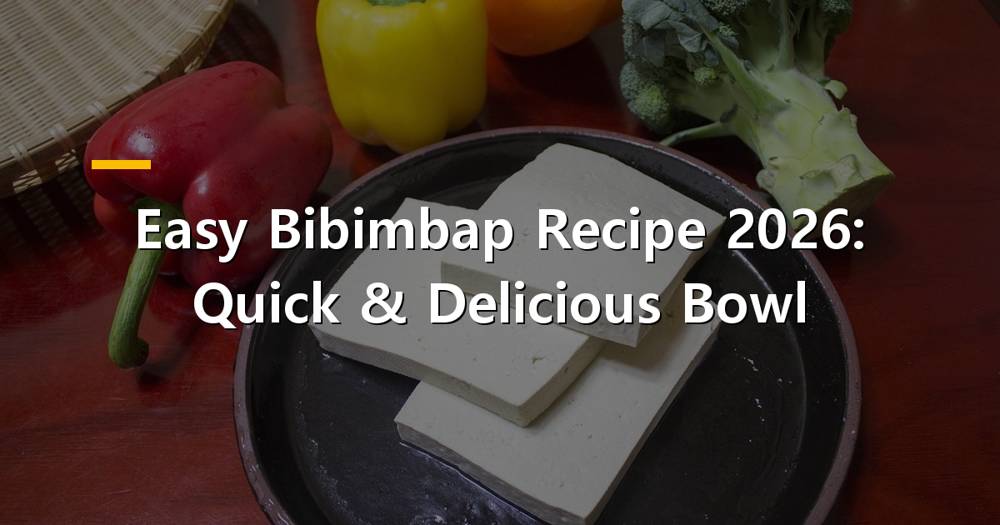
Easy Bibimbap Recipe 2026: Quick & Delicious Bowl
There's something incredibly satisfying about a colorful bowl of bibimbap. I've always loved how it combines so many textures and flavors into one comforting dish. For years, I thought it was too complicated to make at home, but I've finally cracked the code to an easy bibimbap recipe that's perfect for 2026 and your busy schedule.
This isn't your grandma's all-day affair; we're focusing on streamlined steps and readily available ingredients to bring this iconic Korean dish to your table fast. You'll be amazed at how quickly you can whip up this vibrant and healthy meal. Let's get mixing!
What Exactly is Bibimbap?
Bibimbap, which literally translates to "mixed rice," is a staple of Korean cuisine. It's a dish where warm white rice is topped with a variety of namul (sautéed and seasoned vegetables), gochujang (chili pepper paste), soy sauce, a raw or fried egg, and often sliced meat (usually beef). The beauty of bibimbap lies in its versatility and the balanced nutrition it offers in a single bowl.
Each ingredient contributes a distinct flavor and texture, creating a symphony when mixed together. I've always found it to be the ultimate comfort food, especially on a chilly evening. It's not just a meal; it's an experience.
Gathering Your Essential Bibimbap Ingredients
To make an easy bibimbap recipe, selecting the right ingredients is key. Don't feel overwhelmed; you can often substitute with what you have on hand, but here's a classic lineup that works wonderfully. I always make sure I have fresh vegetables and good quality gochujang.
For the Rice Base:
- 2 cups cooked medium-grain white rice (freshly cooked is best)
For the Toppings (Namul & Protein):
- 150g thinly sliced beef (bulgogi cut or sirloin), or firm tofu for vegetarian
- 1 carrot, julienned
- 1 zucchini, julienned
- 1 cup spinach, blanched
- 4-5 shiitake mushrooms, sliced
- 2 eggs (one per serving)
- 1-2 cloves garlic, minced (for seasoning vegetables and meat)
- Sesame oil, soy sauce, sugar, salt, black pepper
For the Gochujang Sauce:
- 2 tbsp gochujang (Korean chili paste)
- 1 tbsp sesame oil
- 1 tbsp sugar or honey
- 1 tbsp water or rice vinegar
- 1 clove garlic, minced
- 1 tsp toasted sesame seeds
Streamlined Bibimbap Prep Steps
The trick to an easy bibimbap recipe is efficient preparation. I like to get all my chopping done first; it makes the cooking process so much smoother. Think of it like setting up your own little assembly line!
- Prepare your vegetables: Julienne the carrots and zucchini. Slice the mushrooms. Wash and dry the spinach.
- Marinate the beef (if using): In a bowl, combine the thinly sliced beef with 1 tbsp soy sauce, 1 tsp sugar, 1 tsp minced garlic, 1 tsp sesame oil, and a pinch of black pepper. Mix well and let it sit for at least 15 minutes while you prepare other items. For tofu, press out excess water, then slice and marinate similarly.
- Make the gochujang sauce: Whisk together all gochujang sauce ingredients in a small bowl. Adjust sweetness or spiciness to your liking. This can be done ahead of time and stored in the fridge.
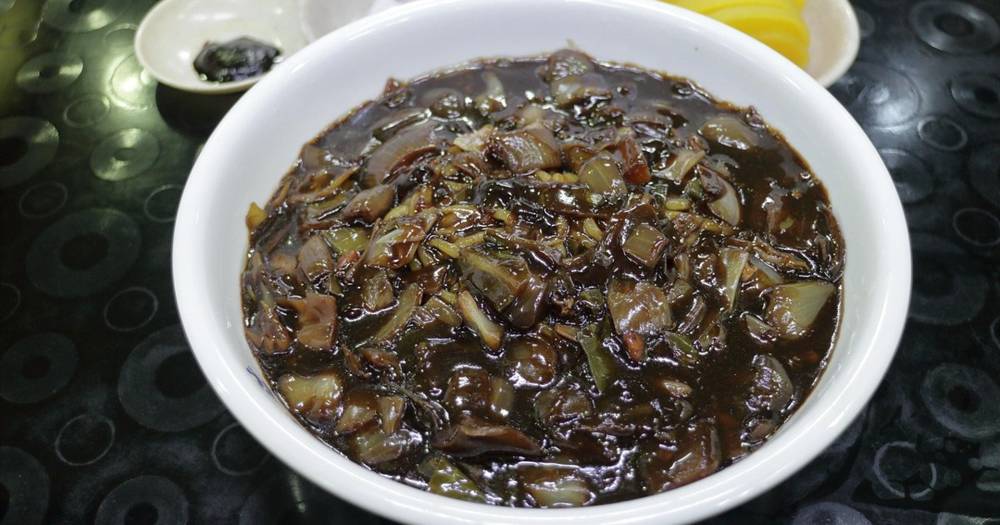
I find that having everything prepped and ready to go dramatically cuts down on cooking time and stress. It's like a small win before you even start sautéing!
Cooking Each Bibimbap Component
Now that everything is prepped, it's time to cook the individual elements. The beauty of bibimbap is that each component is cooked separately, ensuring distinct flavors.
- Cook the beef/tofu: Heat a pan with a little oil over medium-high heat. Cook the marinated beef or tofu until browned and cooked through, about 3-5 minutes. Set aside.
- Sauté the vegetables:
- Spinach: Quickly blanch spinach in boiling water for 30 seconds, then drain and squeeze out excess water. Season with a tiny pinch of salt and a drizzle of sesame oil.
- Carrots: Sauté julienned carrots in a little oil for 2-3 minutes until tender-crisp. Season with a pinch of salt.
- Zucchini: Sauté julienned zucchini in a little oil for 2-3 minutes until tender. Season with a pinch of salt.
- Mushrooms: Sauté sliced mushrooms until browned and softened, about 4-5 minutes. Season with a pinch of salt and a splash of soy sauce.
- Fry the eggs: Fry eggs sunny-side up or to your preferred doneness. A slightly runny yolk is traditional for mixing into the bibimbap.
Assembling Your Bowl & Making the Sauce
This is where the magic happens! Assembling bibimbap is like creating a work of art, albeit one you're about to demolish with a spoon. Start with a warm bowl; it really makes a difference.
Step-by-Step Assembly:
- Rice First: Place a generous portion of warm cooked rice at the bottom of a large, shallow bowl.
- Arrange Toppings: Artfully arrange each cooked vegetable topping (spinach, carrots, zucchini, mushrooms) and the cooked beef or tofu around the edge of the rice.
- Add the Egg: Place the fried egg right in the center.
- Gochujang Drizzle: Drizzle a good amount of your prepared gochujang sauce over the egg and toppings. You can always add more later, so start with a conservative amount.
- Garnish: Sprinkle with extra toasted sesame seeds. Some people also add a dash of extra sesame oil.
Now for the fun part: grab your spoon and mix everything together thoroughly right before you eat. This ensures every bite gets a bit of everything, and the runny yolk coats the rice beautifully. It's a delightful experience!
Vegetarian and Vegan Bibimbap Options
One of the best things about bibimbap is how easily adaptable it is for different dietary needs. My sister is vegetarian, and I've made this dish for her countless times with fantastic results.
For Vegetarian Bibimbap:
- Protein: Replace beef with pan-fried firm or extra-firm tofu, tempeh, or even a mix of hearty mushrooms like king oyster. Marinate them in a similar soy-sesame-garlic mixture.
- Egg: Keep the fried egg for a lacto-ovo vegetarian version.
For Vegan Bibimbap:
- Protein: Use tofu, tempeh, or a mushroom medley as described above.
- Egg: Omit the egg entirely. You can replace it with more vegetables or a sprinkle of toasted pumpkin seeds for added texture.
- Sauce: Ensure your gochujang brand is vegan (most are, but check for ingredients like honey). Adjust the sweetness with maple syrup or agave instead of honey if using.
The beauty of the namul is that it's naturally vegetable-heavy, making the switch to a plant-based version incredibly simple and still incredibly delicious. Don't be afraid to experiment with other vegetables you love, like bell peppers, bean sprouts, or kale.
Serving and Enjoying Your Bibimbap
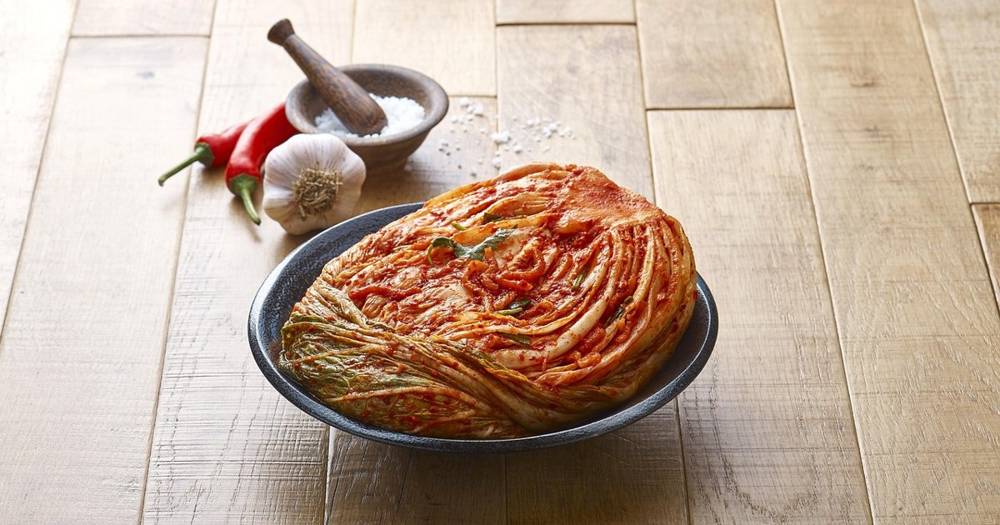
Bibimbap is meant to be enjoyed immediately after assembly and mixing. The warmth of the rice and the fresh toppings create a truly comforting meal. I love to serve it with a side of kimchi, which adds another layer of fermented goodness and a spicy kick.
Some people also enjoy a clear broth soup, like a simple seaweed soup, alongside their bibimbap to cleanse the palate between bites. Don't forget that mixing is part of the tradition; stir everything together vigorously until the gochujang and egg yolk coat all the ingredients. It might look a little messy, but that's exactly how it's supposed to be!
Frequently Asked Questions
A. Yes, absolutely! Brown rice is a great healthy alternative. Just be sure to cook it according to its package instructions as it generally requires more water and a longer cooking time than white rice. The nutty flavor of brown rice pairs wonderfully with the savory toppings.
A. Gochujang has a moderate to high level of spiciness, along with a unique savory and slightly sweet flavor. You can definitely adjust the heat in your sauce! Start with less gochujang and add more to taste. If you prefer less spice, increase the amount of sugar or honey in the sauce to balance it out.
A. Yes, many components can be prepped in advance! Cooked rice can be stored in the fridge for up to 2-3 days. The individual seasoned vegetables (namul) can also be made a day or two ahead and stored in airtight containers. The gochujang sauce is perfect for making in bulk and storing. Just cook the meat/tofu and fry the egg fresh for assembly.
A. Bibimbap is very flexible! Feel free to add bean sprouts, bell peppers (sliced and lightly sautéed), kale or bok choy (blanched), or even radish. Just ensure they are cooked and seasoned simply, usually with a touch of sesame oil and salt, to complement the other flavors.
Ready to Mix It Up?
This easy bibimbap recipe for 2026 proves that delicious, authentic Korean food isn't out of reach for the home cook. I've found that the little effort it takes is immensely rewarded with a bowl full of flavor and goodness. Don't be shy; give it a try tonight!
What are your favorite bibimbap toppings? Share your thoughts and any personal twists in the comments below. I'd love to hear how you make this classic dish your own!
