An Authentic Kimchi Jjigae Recipe for 2026: Your Go-To Comfort Stew
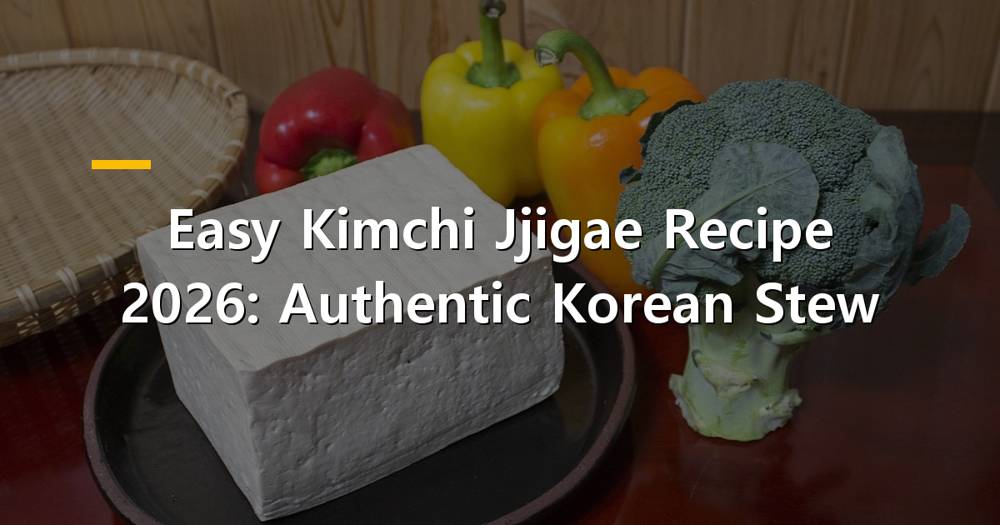
When I first started experimenting with Korean cooking, Kimchi Jjigae was one of those dishes that seemed both simple and intimidating. Simple because it's a stew, and intimidating because it's so iconic. I remember my first attempt felt a little… flat. It lacked that deep, spicy, tangy punch that makes this dish so beloved. Fast forward to 2026, and I've finally nailed it! This recipe is my tried-and-true method for achieving that perfect balance of flavors that’s both comforting and incredibly satisfying. It’s the kind of meal that warms you from the inside out, perfect for a chilly evening or when you just need a taste of home.
This recipe focuses on using quality ingredients and a few key techniques to bring out the best in the kimchi. It's designed for home cooks, so don't worry if you're not a seasoned pro. You'll be slurping down delicious Kimchi Jjigae in no time!
What is Kimchi Jjigae?
Kimchi Jjigae (김치찌개) is a quintessential Korean stew, a hearty and spicy dish made primarily with fermented kimchi. It’s a staple in Korean households and restaurants alike, renowned for its vibrant red color and complex, savory flavor profile. The soul of the dish lies in the well-fermented kimchi, which provides a delightful tanginess and depth that can't be replicated with fresh kimchi.
Think of it as the Korean equivalent of a comforting bowl of chili or a hearty soup – it’s designed to be warming, satisfying, and packed with flavor. It’s often enjoyed with a bowl of steamed rice, making it a complete and nourishing meal. The beauty of Kimchi Jjigae is its versatility; while kimchi is the star, the supporting cast can vary, leading to countless delicious renditions.
Gathering Your Ingredients
The secret to a truly delicious Kimchi Jjigae starts with selecting the right ingredients. Don't skimp on the kimchi – the older and more sour, the better! This is where you'll get that signature tangy kick. I always keep a jar of well-aged kimchi in my fridge specifically for making jjigae.
Here's what you'll need for a standard 2-3 serving batch:
- Kimchi: 1.5 cups aged, sour napa cabbage kimchi, plus 2-3 tablespoons of kimchi brine (this is crucial for flavor depth!)
- Pork Belly or Shoulder: 4-6 oz (about 100-150g), thinly sliced. Pork belly adds a wonderful richness, but pork shoulder works too if you prefer leaner meat. Tofu is also a popular alternative or addition.
- Onion: 1/2 medium onion, sliced
- Scallions: 2-3 stalks, cut into 2-inch pieces (separate white and green parts)
- Garlic: 1-2 cloves, minced
- Gochugaru (Korean Red Pepper Flakes): 1-2 teaspoons, adjust to your spice preference. Use coarse flakes for more texture and milder heat, fine flakes for more intense color and heat.
- Gochujang (Korean Chili Paste): 1 teaspoon (optional, adds a touch of sweetness and depth, but use sparingly so it doesn't overpower the kimchi flavor)
- Soy Sauce or Fish Sauce: 1-2 teaspoons, for seasoning
- Sesame Oil: 1 teaspoon
- Water or Anchovy Broth: 2-3 cups (anchovy broth adds more umami, but water is perfectly fine)
- Tofu (Optional): 1/2 block soft or medium tofu, sliced
- Other Vegetables (Optional): Mushrooms, zucchini, or a small potato, thinly sliced
I always recommend having good quality kimchi. If your kimchi isn't very sour, you might need to add a splash of rice vinegar or a bit more gochugaru to compensate. The brine is truly non-negotiable for that authentic taste!
Easy Step-by-Step Guide
Making Kimchi Jjigae at home is surprisingly straightforward. The key is to build layers of flavor, starting with sautéing the aromatics and kimchi.
Step 1: Prepare the Pork and Aromatics
If using pork, heat the sesame oil in a medium pot or Dutch oven over medium-high heat. Add the sliced pork and cook until it's lightly browned, about 3-4 minutes. If you're using a leaner cut, you might need a little more oil. Once browned, push the pork to one side of the pot.
Add the sliced onion and the white parts of the scallions to the other side. Sauté for about 2 minutes until slightly softened and fragrant. Then, add the minced garlic and cook for another 30 seconds until fragrant, being careful not to burn it.
Step 2: Sauté the Kimchi
Add the chopped kimchi to the pot. Stir everything together with the pork and aromatics. Cook and stir the kimchi for about 5-7 minutes, until it softens and becomes slightly translucent. This step is crucial for developing the kimchi's flavor and making it tender.
Stir in the gochugaru and gochujang (if using). Cook for another minute, stirring constantly, until the spices are fragrant. This blooms the spices and deepens their flavor.
Step 3: Add Liquid and Simmer
Pour in the kimchi brine and the water or anchovy broth. Bring the mixture to a boil, then reduce the heat to medium-low, cover, and let it simmer for at least 15-20 minutes. This simmering time allows all the flavors to meld together beautifully.
If you're adding tofu or other optional vegetables like mushrooms, add them during the last 5-10 minutes of simmering, so they cook through but don't become mushy.
Step 4: Season and Finish
Taste the jjigae. Season with soy sauce or fish sauce as needed to enhance the savory notes. If it’s not tangy enough for your liking, a small splash of rice vinegar can help. Stir in the green parts of the scallions just before serving.
Some people like to add a pinch of sugar to balance the sourness, but I find the natural flavors are usually enough. Serve hot in individual bowls with a side of steamed rice. A sprinkle of toasted sesame seeds on top is a nice touch too!
Quick Summary:
Sauté pork & aromatics, then kimchi until tender. Add kimchi brine & liquid, simmer for 20 mins. Add tofu/veg, season, and serve hot with rice.
Pro Tips for Amazing Jjigae
Over the years, I've picked up a few tricks that really elevate my Kimchi Jjigae game. It’s not just about following the recipe; it’s about understanding the ingredients and how they interact. One thing I’ve learned is that patience during the simmering stage pays off significantly. Letting those flavors deepen and meld is key to that restaurant-quality taste.
Another vital tip is to use good quality, aged kimchi. Fresh kimchi is great for banchan or other dishes, but for jjigae, you need that intense sourness and depth. If your kimchi is too fresh, consider letting it sit on your counter for a day or two before chopping it up for the stew. I’ve done this numerous times when I’ve run out of properly aged kimchi, and it makes a noticeable difference in the final flavor.
Don't be afraid to adjust the seasoning. Taste as you go! The saltiness and sourness can vary greatly depending on the kimchi you use. I often find myself adding a little extra fish sauce or a pinch of salt right at the end to get it just right. Also, using a rich stock like anchovy or even chicken broth instead of plain water can add another layer of umami that’s incredibly satisfying.
Customizing Your Jjigae
Kimchi Jjigae is incredibly forgiving and adaptable. It’s a fantastic base for whatever you have on hand! My personal favorite variation involves adding some thinly sliced pork belly for extra richness, but other proteins work wonderfully.
Protein Swaps: Instead of pork, try using thinly sliced beef (like bulgogi cut), canned tuna (drained, added towards the end), or even spam for a nostalgic twist. For a vegetarian or vegan version, omit the pork and fish sauce, and use vegetable broth. You can also add more tofu or mushrooms to make it heartier.
Seafood Boost: Some love to add clams or mussels during the simmering process for a delightful seafood jjigae. The briny liquid from the shellfish complements the kimchi beautifully.
Spice Level: Adjust the gochugaru and gochujang to control the heat. If you like it extra spicy, add more gochugaru or a touch of fresh chili pepper. If you prefer it milder, use less or even omit the gochujang.
Extra Goodies: Don't hesitate to toss in extra vegetables like zucchini, potatoes, or enoki mushrooms. Just make sure to slice them thinly so they cook quickly.
Frequently Asked Questions
The best kimchi for Kimchi Jjigae is aged, sour napa cabbage kimchi. The longer it ferments, the deeper and tangier the flavor becomes, which is essential for an authentic jjigae. Fresh kimchi will result in a milder, less complex taste.
Absolutely! Kimchi Jjigae is delicious without pork. You can substitute it with beef, canned tuna, spam, or simply increase the amount of tofu and mushrooms. For a vegetarian/vegan option, use vegetable broth and omit any fish sauce (or use a vegan fish sauce substitute).
A minimum of 15-20 minutes of simmering is recommended after adding the liquid. This allows the flavors to meld and the kimchi to tenderize. For an even deeper flavor, you can simmer it for 30 minutes or longer over low heat.
If your jjigae is too sour, you can balance the flavor with a small amount of sugar or honey (about 1/2 to 1 teaspoon) to counteract the acidity. A tiny pinch of sugar can help round out the flavors without making it sweet.
I've found that this recipe is incredibly reliable and consistently produces a fantastic Kimchi Jjigae that tastes just like it does in Seoul. It's become my absolute go-to for a comforting, flavorful meal. I truly hope you give this easy Kimchi Jjigae recipe a try in 2026! It’s a Korean classic for a reason, and once you master it, you’ll understand why.
What are your favorite additions to Kimchi Jjigae? Let me know in the comments below! And if you enjoyed this recipe, be sure to check out my other Korean cooking guides.
