Korean Food Recipes with Kimchi: 7 Must-Try Dishes for 2026
If you're anything like me, a meal just isn't complete without that distinctive spicy, tangy kick of kimchi. It's a staple in Korean cuisine for a reason, elevating simple ingredients into something truly special. I've been experimenting with Korean food recipes with kimchi for years, and I'm always amazed at its versatility.
For 2026, I've rounded up seven essential Korean dishes with kimchi that you absolutely have to try. These aren't just easy; they're packed with authentic flavor and will make you fall in love with fermented cabbage all over again. Let's get cooking!
The Storied Korean Kimchi History
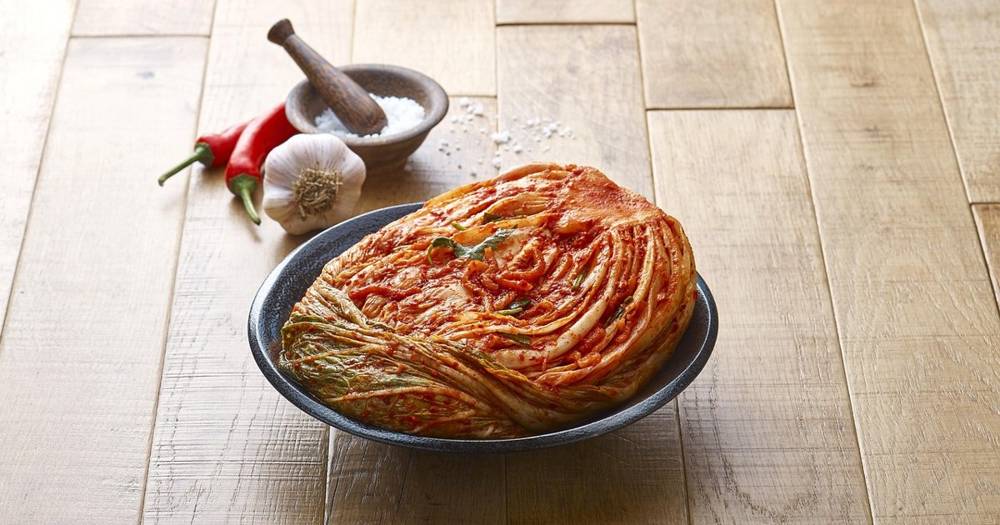
Before we dive into the recipes, it's worth appreciating the roots of this incredible ingredient. The Korean kimchi history stretches back thousands of years, evolving from simple salted vegetables to the complex, spicy fermented cabbage we know today. Originally, fermentation was a way to preserve vegetables through harsh winters.
Over time, various spices were introduced. The most significant change came with the introduction of chili peppers to Korea in the 17th century, forever transforming kimchi into its iconic red, fiery form. It's more than just food; it's a cultural symbol, often prepared communally during "Kimjang" season, which is even recognized by UNESCO.
Understanding this history makes you appreciate each bite even more. It's truly a labor of love and tradition that continues to grace tables worldwide.
Kimchi Fried Rice (Kimchi Bokkeumbap)
This is probably the most popular entry among Korean food recipes with kimchi for good reason. Kimchi Bokkeumbap is a vibrant, flavorful dish that's incredibly satisfying and quick to make. It's my go-to when I have leftover rice and need something delicious in under 20 minutes.
The key here is using well-fermented, sour kimchi. The older the kimchi, the deeper and more complex the flavor it imparts to the rice. Don't be afraid to add a fried egg on top for that perfect runny yolk, which mixes beautifully with the spicy rice.
Quick Recipe Steps:
- Sauté chopped kimchi and your choice of protein (pork belly, ham, or tofu) in a hot pan.
- Add cold leftover rice, a splash of kimchi juice, gochujang, and a little soy sauce.
- Stir-fry until everything is well combined and heated through.
- Serve immediately, garnished with a fried egg and seaweed flakes.
Kimchi Pancakes (Kimchijeon)
Crispy on the outside, soft and chewy on the inside, Kimchijeon is a savory pancake that's hard to resist. It’s one of those korean dishes with kimchi that works perfectly as an appetizer, a snack, or even a light meal. I often make a big batch for parties, and they disappear almost instantly.
The tanginess of the kimchi is balanced by a simple batter, creating a truly addictive texture and taste. Dipping it in a soy-vinegar sauce adds another layer of flavor. You can customize it with additional ingredients like sliced green onions or even shrimp.
Tips for Perfect Kimchijeon:
- Use ripe kimchi: Sour kimchi provides the best flavor for these pancakes.
- Don't overmix the batter: A few lumps are fine; overmixing develops gluten, making them tough.
- Hot pan, plenty of oil: This ensures a crispy exterior.
- Press down lightly: Helps them cook evenly and get that perfect crust.
Kimchi Soft Tofu Stew (Kimchi Sundubu Jjigae)
When the weather turns chilly, there's nothing quite like a bubbling pot of Kimchi Sundubu Jjigae. This hearty stew features silky soft tofu, flavorful kimchi, and often some meat or seafood, all simmered in a spicy broth. It's a comforting and robust dish that truly warms you from the inside out.
While often associated with its spicier cousin, Kimchi Jjigae, the addition of uncurdled soft tofu in Sundubu Jjigae adds a delicate texture that contrasts beautifully with the strong kimchi flavor. I love cracking an egg into it just before serving; the residual heat cooks it to perfection.
Key Ingredients:
- Aged Kimchi: Crucial for depth of flavor.
- Soft Tofu (Sundubu): The star, adding creaminess.
- Pork or Seafood: Enhances the umami profile.
- Gochugaru (Korean chili flakes): For adjustable heat.
- Kimchi juice: Don't throw it away! It's flavor gold.
Kimchi Pork Stir-Fry (Kimchi Jeyuk Bokkeum)
If you're looking for a main course that packs a punch, Kimchi Jeyuk Bokkeum is an excellent choice. This spicy stir-fry combines tender slices of pork (often pork belly or shoulder) with sautéed kimchi, gochujang, and other aromatics. It's another fantastic example of Korean food recipes with kimchi that delivers on flavor.
I usually serve this with a bowl of steamed rice and a few fresh lettuce leaves to wrap the spicy pork in. The contrast between the hot, savory pork and the cool, crisp lettuce is just divine. It’s definitely a crowd-pleaser and quite simple to prepare once you have your ingredients prepped.
Kimchi Noodles (Kimchi Bibim Guksu)
For a lighter, refreshing take on korean dishes with kimchi, try Kimchi Bibim Guksu. This cold noodle dish is perfect for warmer days or when you crave something tangy and chewy. Thin wheat noodles are tossed in a spicy, sweet, and sour sauce with fresh vegetables and, of course, plenty of kimchi.
The vibrant flavors of this dish are incredibly invigorating. I often add a hard-boiled egg and some cucumber strips for extra texture and coolness. It's a fantastic alternative to heavier noodle dishes and showcases kimchi's ability to shine in a fresh, uncooked application.
Ingredients for the Sauce:
- Gochujang (Korean chili paste)
- Kimchi juice
- Soy sauce
- Sesame oil
- Sugar or corn syrup
- Minced garlic
- Rice vinegar
Kimchi Dumplings (Kimchi Mandu)
Making dumplings might seem intimidating, but Kimchi Mandu are incredibly rewarding. These savory parcels are filled with a delicious mixture of ground meat (or tofu), glass noodles, vegetables, and finely chopped kimchi. The kimchi adds a wonderful tang and slight spice that cuts through the richness of the other ingredients.
Whether you steam them, boil them in a soup, or pan-fry them until crispy, Kimchi Mandu are a delightful treat. My family loves to gather for a "mandu-making session" — it's a fun way to spend time together and stock the freezer with these tasty bites for later. They’re a true labor of love, but so worth the effort!
Kimchi Grilled Cheese Sandwich
Okay, this might not be traditional, but it's one of my absolute favorite creative Korean food recipes with kimchi. A Kimchi Grilled Cheese Sandwich takes comfort food to a whole new level. The sharp, tangy kimchi perfectly cuts through the richness of melted cheese, creating an explosion of flavor in every bite.
I stumbled upon this combo during a late-night snack craving, and it's been a staple ever since. It’s surprisingly simple: butter bread, load with cheese and well-drained kimchi, and grill until golden and gooey. Trust me on this one; it’s a game-changer for your lunch routine in 2026.
Frequently Asked Questions About Kimchi Dishes
A. While you can use fresh kimchi, most cooked Korean food recipes with kimchi, especially stews and fried rice, benefit greatly from aged, sour kimchi. The fermentation process deepens its flavor and gives it a more pronounced tang, which holds up better to cooking. For dishes like Kimchi Bibim Guksu, fresh or slightly aged kimchi works well.
A. For most cooked Korean dishes with kimchi, a well-fermented napa cabbage kimchi (Baechu Kimchi) is ideal. Its robust flavor and texture stand up well to heat. You can often find "old kimchi" or "sour kimchi" specifically marketed for cooking in Korean grocery stores, or just use kimchi that's been in your fridge for a few weeks.
A. The spice level in these Korean food recipes with kimchi can be adjusted to your preference. Kimchi itself provides some heat, but you can control additional spice by modifying the amount of gochujang (Korean chili paste) or gochugaru (Korean chili flakes) you add. If you're sensitive to spice, start with smaller amounts and taste as you go.
There you have it – seven incredible Korean food recipes with kimchi to spice up your cooking in 2026! From everyday favorites to innovative twists, kimchi truly is a superstar ingredient. I hope these dishes inspire you to explore the rich and diverse flavors of Korean cuisine. Which one will you try first?
Don't forget to share your cooking adventures in the comments below!
