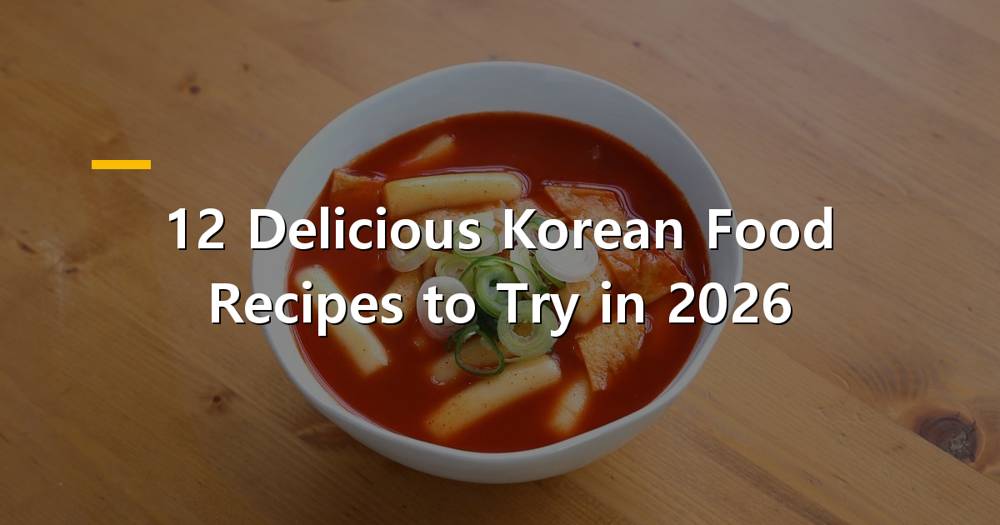
12 Delicious Korean Food Recipes to Try in 2026
I've always been captivated by the vibrant flavors and diverse textures of Korean cuisine. From spicy stews to savory pancakes, there's so much to explore, and honestly, cooking these dishes at home is incredibly rewarding.
For 2026, I've curated a list of my favorite Korean food recipes, perfect for home cooks of all skill levels. Whether you're looking for quick weeknight meals, healthy options, or even some Korean food recipes in Hindi, you'll find something exciting here.
These recipes aren't just about following instructions; they're about bringing the heart of Korean cooking into your kitchen.
Understanding Korean Cuisine
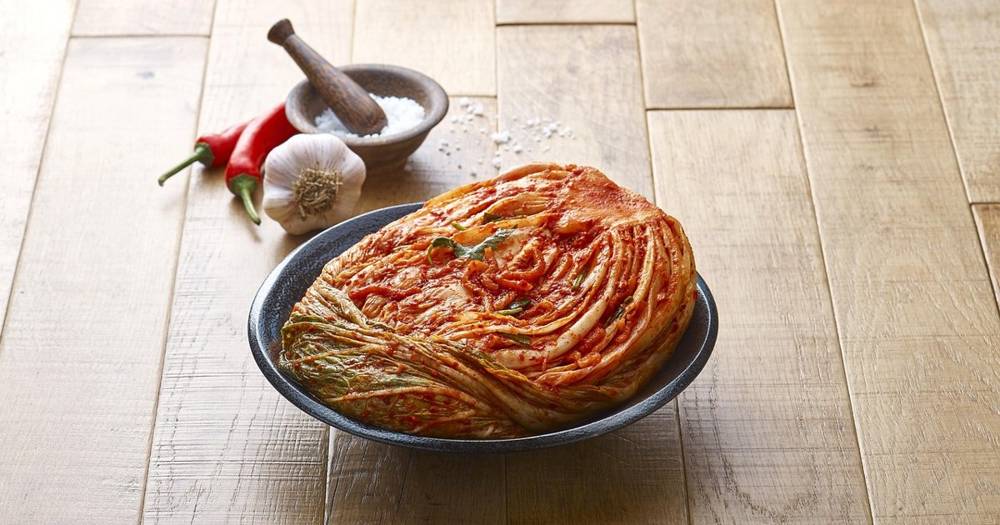
Korean cuisine is much more than just kimchi; it's a rich tapestry of flavors shaped by centuries of history and tradition. The balance of sweet, sour, salty, bitter, and umami is central to many dishes, creating a truly unique culinary experience.
Many traditional Korean food recipes emphasize fresh vegetables, fermented foods, and a variety of proteins. This focus contributes to their renowned health benefits. You'll find a lot of garlic, ginger, soy sauce, gochujang (chili paste), and gochugaru (chili powder) in most kitchens.
It's fascinating how simple ingredients can come together to create such complex and satisfying meals. My own journey into Korean cooking started with a craving for something bold and different, and I haven't looked back since.
Easy Korean Weeknight Meals
Sometimes you just need a delicious meal without spending hours in the kitchen. These Korean food recipes are specifically chosen for their simplicity and speed, making them perfect for busy evenings.
You don't need to be a gourmet chef to whip up something amazing. A few core ingredients and a little enthusiasm are all it takes to prepare these delightful dishes.
1. Japchae (Stir-fried Glass Noodles)
Japchae is a fantastic dish that's surprisingly easy once you get the hang of it. It features chewy sweet potato glass noodles stir-fried with colorful vegetables and often some marinated beef or tofu. It's one of my go-to Korean food recipes easy when I want something satisfying and visually appealing.
The key is to cook each component separately and then combine them for the best texture and flavor. It takes about 30 minutes from start to finish.
2. Gyeran Jjim (Steamed Egg Custard)
This fluffy, savory steamed egg custard is the ultimate comfort food and incredibly simple. It's often served as a side dish, but I sometimes enjoy it as a light main with rice.
You only need eggs, water or broth, and a few seasonings. It cooks quickly on the stovetop or in a microwave, making it an excellent Korean food recipes easy choice. I like to add a pinch of sesame oil at the end for extra aroma.
3. Jjajangmyeon (Black Bean Noodles)
While often associated with Chinese-Korean cuisine, Jjajangmyeon is a beloved staple in Korea. It features thick noodles topped with a rich, savory black bean sauce. You can use instant noodles or fresh ones.
The sauce, made from chunjang (black bean paste), pork, and vegetables, is surprisingly straightforward to prepare. It's incredibly satisfying and a fantastic introduction to heartier Korean food recipes.
Healthy Korean Food Options
Korean cuisine is inherently healthy, with a strong emphasis on vegetables, lean proteins, and fermented foods. These specific Korean food recipes highlight those healthful aspects, without compromising on taste.
Eating well doesn't mean sacrificing flavor, and these dishes prove that point beautifully. I often turn to these when I'm looking for something nourishing and delicious.
4. Miyeokguk (Seaweed Soup)
Miyeokguk is a traditional Korean seaweed soup, famous for its health benefits, especially for new mothers. It's packed with nutrients and has a wonderfully mild, oceanic flavor.
Made with dried seaweed (miyeok), beef or clams, and a simple broth, it's incredibly comforting and easy to digest. It's definitely one of the healthy Korean food recipes that tastes great anytime.
5. Bulgogi Lettuce Wraps
While Bulgogi itself can be rich, serving it as a lettuce wrap significantly lightens the meal. The sweet and savory marinated beef (or mushrooms for a vegetarian twist) is nestled in crisp lettuce leaves with rice and various condiments.
This method allows you to control portion sizes and enjoy the flavors in a fresh, vibrant way. It's an interactive and healthy Korean food recipe that's also fun to eat.
Vegetarian Korean Delights
Korean cuisine offers a wealth of delicious options for vegetarians, often overlooked in favor of meat-centric dishes. These Korean food recipes vegetarian prove that plant-based meals can be just as flavorful and satisfying.
I've found that many traditional dishes can be easily adapted, and some are naturally vegetarian. It's about exploring the rich bounty of vegetables and fermented ingredients.
6. Kimchi Bokkeumbap (Kimchi Fried Rice)
Kimchi Bokkeumbap is a crowd-pleaser, and it's fantastic as a vegetarian dish. Simply omit any meat and focus on the tangy, spicy flavor of aged kimchi stir-fried with rice, vegetables, and a fried egg on top.
It's a perfect way to use up leftover rice and slightly sour kimchi. This Korean food recipes vegetarian staple is quick, flavorful, and incredibly comforting.
7. Hobak Jeon (Zucchini Pancakes)
Hobak Jeon are delicate, pan-fried zucchini slices coated in a light batter. They are simple, elegant, and perfect as a side dish or a light appetizer.
The natural sweetness of the zucchini shines through, complemented by a savory soy-dipping sauce. They are truly one of the most delightful Korean food recipes vegetarian options out there.
Authentic Korean Dishes for Special Occasions
While many Korean food recipes are perfect for everyday cooking, some are reserved for celebrations or when you want to impress. These dishes showcase the depth and complexity of Korean culinary traditions.
They might require a bit more effort, but the payoff in flavor and experience is absolutely worth it. When I want to truly immerse myself, I pick one of these to tackle.
8. Galbi Jjim (Braised Short Ribs)
Galbi Jjim is a luxurious dish of braised beef short ribs, tender and bursting with savory-sweet flavor. It's often served during holidays and family gatherings.
The ribs are slow-cooked in a soy sauce-based marinade with vegetables like carrots and radishes. It's a true labor of love, but the result is incredibly tender meat that falls off the bone. This is one of the ultimate Korean food best recipes for a feast.
9. Samgyetang (Ginseng Chicken Soup)
Samgyetang is a nourishing whole chicken soup, traditionally eaten in summer to boost energy. A small chicken is stuffed with glutinous rice, ginseng, jujubes, and garlic, then simmered until tender.
It's a wonderfully aromatic and wholesome dish, considered one of the Korean food best dishes for its restorative properties. The mild, herbaceous broth is incredibly soothing.
10. Kimchi Mandu (Kimchi Dumplings)
Making kimchi mandu from scratch is a rewarding experience. These dumplings are filled with a delicious mixture of ground meat (or tofu for vegetarian), kimchi, glass noodles, and vegetables.
They can be steamed, boiled, or pan-fried, offering versatility. While the preparation takes time, making them with family or friends is a fun activity, resulting in truly authentic Korean food recipes.
Essential Korean Ingredients
To really dive into Korean food recipes, having a well-stocked pantry is key. These core ingredients form the backbone of most Korean dishes.
Don't be intimidated by unfamiliar names; many are now readily available in international aisles of large supermarkets or Asian grocery stores. My first trip to an H-Mart was an eye-opener!
- Gochujang: Fermented Korean chili paste, spicy and savory. Essential for many stews and sauces.
- Gochugaru: Korean chili powder, used for kimchi and adding heat. Different grind levels exist.
- Soy Sauce: Korean soy sauce (ganjang) is typically lighter and saltier than Japanese varieties.
- Sesame Oil: Toasted sesame oil adds a nutty, aromatic finish to almost everything.
- Doenjang: Fermented soybean paste, similar to miso but with a stronger, earthier flavor.
- Rice Vinegar: Used for marinades and balancing flavors.
- Garlic and Ginger: Fresh is always best for that pungent Korean flavor.
Cooking Tips and Tricks
Mastering Korean food recipes involves a few universal techniques and considerations that can elevate your cooking. These tips come from my own trial and error in the kitchen over the years.
Paying attention to these small details can make a big difference in the final taste and presentation of your dishes. It's about understanding the nuances of the cuisine.
Marinating is Key
Many Korean meat and vegetable dishes rely on a good marinade to infuse flavor and tenderize. Don't rush this step. For bulgogi or galbi, marinating for at least 30 minutes, or even overnight, yields the best results.
The balance of soy sauce, sugar, garlic, sesame oil, and sometimes pear juice is crucial. This helps tenderize proteins and builds layers of flavor.
Balance of Flavors
Korean cooking is all about balance. If a dish is too spicy, add a touch of sugar or sesame oil. If it's too bland, a dash of soy sauce or more garlic can help. Always taste and adjust as you go.
Understanding how different ingredients interact is part of the fun of cooking. Don't be afraid to experiment a little to suit your own palate.
Don't Forget the Banchan
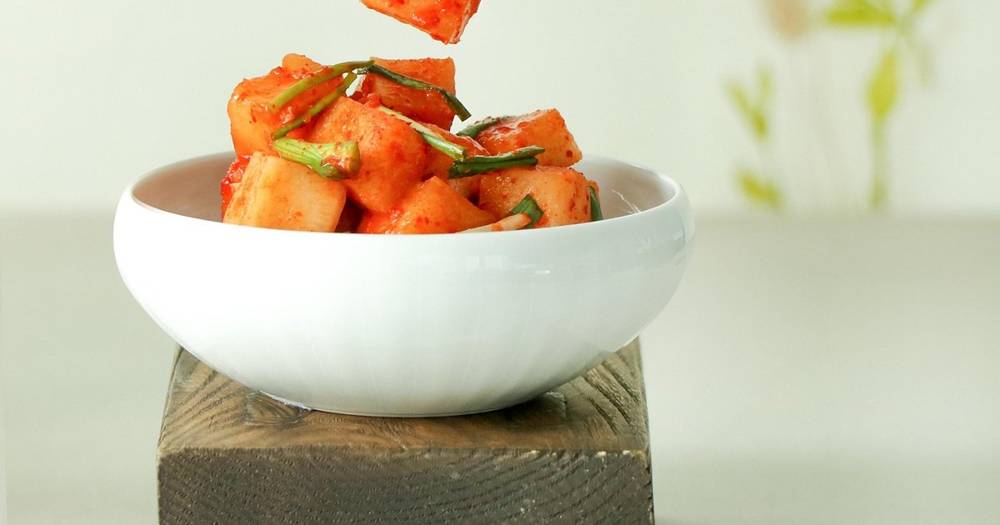
Banchan, or side dishes, are an integral part of any Korean meal. They provide variety, contrast, and often contribute significantly to the overall nutritional profile. Think of them as small flavor explosions.
Simple banchan like seasoned spinach, bean sprouts, or spicy cucumber salad can be prepared in advance. They round out any main dish beautifully. My fridge always has at least two types ready to go!
Spice Levels
Korean cuisine is known for its spice, but you can always adjust it to your preference. Use less gochugaru or gochujang, or simply add a dash of sugar to temper the heat. Not all Korean food recipes are fiery hot!
Start with a small amount and gradually increase to find your comfort zone. This makes the cuisine accessible to everyone.
Frequently Asked Questions
A. Many Korean food recipes can be adapted! For example, if you don't have gochujang, you can try a mix of sriracha, miso paste, and a touch of sugar. For vegetables, substitute what's available seasonally. Don't be afraid to experiment, especially for easy Korean food recipes.
A. For beginners, start with easy Korean food recipes like Gyeran Jjim (steamed egg), Kimchi Bokkeumbap (kimchi fried rice), or Japchae (glass noodles). These dishes introduce fundamental flavors and techniques without being overly complex, perfect for starting your Korean cooking journey in 2026.
A. For parties, consider impressive yet manageable Korean food best recipes like Bulgogi (marinated beef), Galbi Jjim (braised short ribs), or a variety of Jeon (pancakes like Pajeon or Kimchi Jeon). These are generally crowd-pleasers and can be prepared in larger batches, making them ideal for entertaining guests.
A. Absolutely! Focus on dishes rich in vegetables and lean proteins. Miyeokguk (seaweed soup), many types of Namul (seasoned vegetable side dishes), or Tofu Jjigae (tofu stew) are excellent choices. Serving Bulgogi as lettuce wraps instead of with a large bowl of rice also significantly reduces calorie intake, making them great healthy Korean food recipes.
Ready to Cook?
I hope these 12 Korean food recipes inspire you to get into the kitchen and explore the incredible world of Korean cuisine in 2026. From quick meals to more elaborate dishes, there's something here for everyone.
Don't be afraid to experiment with flavors and make these recipes your own. Cooking Korean food is a journey, and every dish is a step further into a rich culinary tradition. Which one will you try first?
