
10 Healthy Korean Food Recipes for a Better 2026
If you're anything like me, you've probably spent countless evenings scrolling through food blogs, dreaming of delicious yet healthy meals. This year, I've made it my mission to incorporate more wholesome options into my diet, and Korean cuisine has been an absolute game-changer. It's truly amazing how many traditional Korean dishes are naturally packed with nutrients and incredible flavors.
Forget the misconception that all Korean food is super spicy or fried; there's a huge world of balanced and nourishing meals waiting to be explored. I've personally tried each of these Korean food recipes, and they've become staples in my rotation for 2026. You'll find options for every skill level, including plenty of delicious Korean food recipes easy to whip up after a long day.
Understanding Healthy Korean Cooking Principles
Korean cuisine naturally leans towards health-conscious practices, often featuring a diverse array of vegetables, lean proteins, and fermented foods. This isn't just about taste; it's deeply rooted in traditional wisdom and a holistic approach to well-being. When I started delving deeper, I realized how many of the staples perfectly align with modern nutritional guidelines.
Key elements include minimal oil, generous use of fresh produce, and powerful fermentation. Many dishes rely on steaming, boiling, or light stir-frying rather than deep-frying. This cooking method helps retain nutrients and keeps calorie counts lower, which is a big win if you're watching your intake.
Fermented foods like kimchi are a cornerstone, offering beneficial probiotics that support gut health. Plus, the extensive use of aromatics like garlic, ginger, and green onions adds flavor without needing excessive salt or unhealthy fats. It's a fantastic foundation for a healthy diet in 2026.
Quick & Easy Healthy Korean Dishes
Even on busy weeknights, preparing healthy Korean meals is totally achievable. I've found that having a few go-to recipes that don't take hours makes all the difference. These next few options are perfect for when you want something satisfying but need to keep prep and cook time short.
1. Gyeran Jjim (Steamed Egg Custard)
This fluffy, savory steamed egg custard is incredibly simple and comforting. It’s a fantastic source of protein and requires minimal ingredients. You can make it in a pot or even in the microwave for an extra speedy version. It's a classic example of Korean food recipes easy to master.
- Ingredients: Eggs, water or anchovy broth, salt, a pinch of sugar, green onions.
- Why it's healthy: High in protein, low in fat, and extremely gentle on the stomach.
- Preparation: Whisk eggs, broth, and seasonings, then steam until set.
2. Kongnamul Muchim (Seasoned Soybean Sprouts)
A quintessential Korean side dish, or banchan, Kongnamul Muchim is unbelievably quick to make. It’s light, crunchy, and packed with nutrients. This is one of those versatile dishes you'll want to have on hand. Plus, it's a great choice if you're looking for Korean food recipes vegetarian that are also super healthy.
- Ingredients: Soybean sprouts, garlic, sesame oil, soy sauce, green onions, sesame seeds.
- Why it's healthy: Rich in vitamins C and K, folate, and dietary fiber.
- Preparation: Briefly boil sprouts, then drain and toss with seasonings.
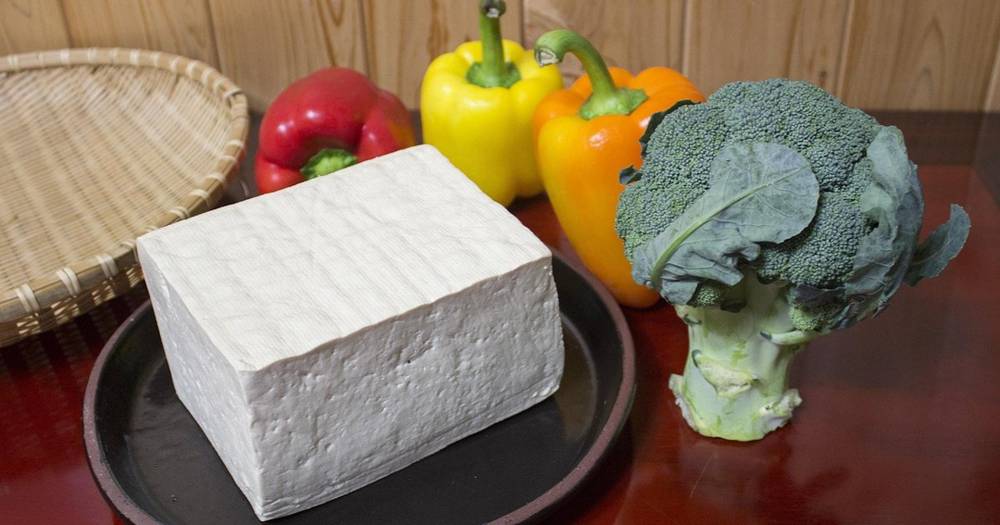
Healthy Korean Food Recipes: Vegetarian Delights
Korean cuisine offers an incredible array of vegetarian and vegan options, often focusing on fresh vegetables, tofu, and mushrooms. You absolutely don't need meat to enjoy a robust and flavorful Korean meal. These recipes are perfect for anyone seeking delicious plant-based dishes.
3. Dubu Jorim (Braised Tofu)
Dubu Jorim features pan-fried or baked tofu simmered in a savory, slightly spicy sauce. It's satisfying, full of flavor, and a fantastic protein source for vegetarians. I often make a big batch of the sauce and keep it in the fridge for quick meals. This recipe is a staple among Korean food recipes vegetarian options.
- Ingredients: Firm tofu, soy sauce, gochugaru (Korean chili flakes), garlic, green onions, sesame oil, a touch of sweetener.
- Why it's healthy: Plant-based protein, low in saturated fat, excellent source of iron and calcium.
- Preparation: Pan-fry tofu, then simmer in the prepared sauce until absorbed.
4. Japchae (Stir-fried Glass Noodles with Vegetables)
While often served with beef, Japchae is incredibly delicious and healthy when made purely with vegetables. Sweet potato starch noodles, known as glass noodles, are tossed with a colorful assortment of stir-fried veggies. It’s a festive dish that’s lighter than you might think. Many traditional Korean food recipes in hindi also feature similar vegetable-forward noodle dishes.
- Ingredients: Glass noodles, spinach, carrots, mushrooms, onions, bell peppers, soy sauce, sesame oil, garlic.
- Why it's healthy: High in fiber, packed with vitamins from various vegetables, gluten-free noodles (naturally).
- Preparation: Cook noodles, stir-fry vegetables separately, then combine all with seasoning.
Lean & Protein-Rich Korean Meals
For those who enjoy meat or seafood, Korean cuisine offers fantastic ways to incorporate lean protein without sacrificing flavor. These recipes focus on nutrient-dense options that will keep you feeling full and energized. They are excellent examples of truly Korean food best dishes that are also health-conscious.
5. Bulgogi (Marinated Grilled Beef) - Lighter Version
Traditional Bulgogi can be a bit rich, but a healthier version uses very lean cuts of beef or even chicken, with less sugar in the marinade. Grilling or pan-frying with minimal oil keeps it light. It’s a crowd-pleaser and a staple among Korean food best recipes.
- Ingredients: Lean beef (sirloin, tenderloin) or chicken breast, soy sauce, garlic, ginger, pear juice (for natural sweetness), sesame oil, black pepper.
- Why it's healthy: High in lean protein, iron, and B vitamins. Reduced sugar marinade.
- Preparation: Marinate thinly sliced meat, then quickly grill or pan-fry.
6. Dak Galbi (Spicy Stir-fried Chicken) - Oven Baked
Instead of the usual pan-frying, oven-baking Dak Galbi is a fantastic way to cut down on oil while still enjoying all the bold flavors. The chicken and vegetables roast together, creating a delicious and healthier one-pan meal. I've found this method incredibly convenient for meal prep.
- Ingredients: Chicken thighs (skinless, boneless), gochujang (chili paste), gochugaru, soy sauce, garlic, ginger, cabbage, sweet potatoes, perilla leaves.
- Why it's healthy: Lean protein, abundant vegetables, and reduced fat from baking.
- Preparation: Marinate chicken and vegetables, then bake in the oven until cooked through.
Nutritious Korean Side Dishes (Banchan)
Banchan are integral to any Korean meal, and many of them are incredibly healthy and simple to prepare. They add variety, texture, and a burst of micronutrients to your plate. Focusing on these can significantly boost the overall health profile of your meals.
7. Sigumchi Namul (Seasoned Spinach)
This vibrant green side dish is a quick blanch of spinach seasoned with garlic and sesame. It’s an effortless way to get more greens into your diet. I always have some in my fridge because it pairs well with almost anything. It's one of the simplest korean food recipes easy to add to any meal.
- Ingredients: Fresh spinach, garlic, sesame oil, soy sauce, sesame seeds.
- Why it's healthy: Excellent source of iron, vitamin K, and folate. Low calorie.
- Preparation: Blanch spinach, squeeze out excess water, then toss with seasonings.
8. Miyeok Guk (Seaweed Soup)
Miyeok Guk is a traditional Korean seaweed soup, often eaten on birthdays, but it's great any time. It’s incredibly nourishing and boasts a unique umami flavor. Dried seaweed is a powerhouse of minerals. This soup is a fantastic choice for a light and healthy meal or as an accompaniment.
- Ingredients: Dried miyeok (seaweed), beef (optional, or skip for vegetarian), garlic, soy sauce, sesame oil.
- Why it's healthy: Rich in iodine, calcium, and other minerals. Low calorie.
- Preparation: Soak seaweed, sauté with beef (if using), then simmer in water/broth.

Healthy Korean Food Choices in 2026
Embracing healthy Korean cuisine in 2026 means focusing on fresh vegetables, lean proteins, and smart cooking methods. Many traditional dishes are naturally low in fat and high in nutrients. Don't be afraid to adapt recipes to suit your dietary needs, like reducing sugar or opting for oven-baking instead of frying. It's all about balance and enjoying the incredible flavors.
Budget-Friendly Healthy Korean Eating
Eating healthy doesn't have to break the bank, and Korean cuisine offers many cost-effective ingredients. Staples like tofu, soybean sprouts, various vegetables, and rice are generally quite affordable. Planning your meals around these can save you a lot of money. I've found that buying larger packs of rice or dried noodles is always a smart move.
Consider making your own sauces from scratch; it's often cheaper and you can control the sugar and sodium content. For example, instead of buying pre-marinated bulgogi, marinate your own meat. Look for seasonal vegetables to keep costs down and freshness high. Many Korean food recipes in hindi also highlight resourceful, budget-conscious cooking practices.
Tips for Cooking Healthy Korean Food
To truly maximize the health benefits of your Korean cooking, a few simple adjustments can make a big difference. I always keep these points in mind when I'm in the kitchen, and it helps me stay on track with my healthy eating goals for 2026.
- Reduce Sodium: Use low-sodium soy sauce and go easy on the salt. Rely on garlic, ginger, sesame oil, and vinegars for flavor.
- Control Sugar: Many marinades and sauces use sugar. Opt for natural sweeteners like pear juice, or simply reduce the amount.
- Load Up on Veggies: Don't be shy! Add extra spinach, mushrooms, carrots, or zucchini to almost any dish.
- Choose Lean Proteins: Opt for skinless chicken breast, lean cuts of beef, tofu, or various fish/seafood.
- Smart Cooking Methods: Prioritize steaming, boiling, baking, and light stir-frying over deep-frying.
| Dish Name | Main Healthy Ingredient | Key Health Benefit | Ease of Preparation |
|---|---|---|---|
| Gyeran Jjim | Eggs | High protein, muscle support | Very Easy |
| Kongnamul Muchim | Soybean Sprouts | Fiber, Vitamins C & K | Very Easy |
| Dubu Jorim | Tofu | Plant-based protein, iron | Easy |
| Japchae (Veg) | Various Vegetables | High fiber, vitamins | Medium |
| Bulgogi (Lean) | Lean Beef/Chicken | Lean protein, iron | Medium |
| Dak Galbi (Baked) | Chicken Thighs, Veg | Lean protein, reduced fat | Medium |
| Sigumchi Namul | Spinach | Iron, Vitamin K | Very Easy |
| Miyeok Guk | Seaweed | Iodine, minerals | Easy |
Frequently Asked Questions
To cook Korean food recipes healthily, focus on steaming, boiling, and light stir-frying. Reduce sugar in marinades, use low-sodium soy sauce, and maximize fresh vegetables. Opt for lean proteins like tofu, chicken breast, or fish, and incorporate fermented foods like kimchi for gut health.
For beginners, easy Korean recipes include Gyeran Jjim (steamed egg custard), Kongnamul Muchim (seasoned soybean sprouts), Sigumchi Namul (seasoned spinach), and simple Kimchi Fried Rice (with less oil). These dishes require minimal ingredients and straightforward techniques, perfect for starting your Korean cooking journey.
For weight loss, focus on Korean food best recipes that are low in calories and high in nutrients. Great options include Miyeok Guk (seaweed soup), Dubu Jorim (braised tofu), Japchae with extra vegetables (reduced oil), and various namul (seasoned vegetable side dishes). These emphasize vegetables and lean proteins.
Absolutely! Many traditional Korean food recipes are naturally vegetarian or easily adaptable. Dubu Jorim (braised tofu), Japchae (stir-fried glass noodles with vegetables), and various types of namul (seasoned vegetables like spinach or bean sprouts) are delicious and healthy vegetarian choices. Even Bibimbap can be made vegetarian by omitting meat.
I hope this journey into healthy Korean food recipes inspires you to try something new in your kitchen this year. From the simplest banchan to more elaborate main dishes, Korean cuisine offers a wealth of nutritious and delicious options perfect for a healthy 2026. I've personally found so much joy in exploring these flavors without compromising my health goals.
What are your favorite healthy Korean dishes? Have you tried any of these recipes? Share your thoughts and tips in the comments below! I'd love to hear about your culinary adventures.
