
15 Korean Food Recipes: Discover Your New Favorites in 2026
I still remember my first proper Korean meal; it was a revelation! The vibrant flavors, the comforting warmth, and the sheer variety just captivated me. Since then, I've been on a mission to bring that magic into my own kitchen.
If you're looking to explore the exciting world of Korean food, you're in for a treat. This guide will walk you through 15 essential Korean food recipes that are perfect for beginners and seasoned cooks alike. We'll cover everything from simple weeknight dinners to impressive dishes for special occasions.
Let's get cooking and find your next go-to Korean dish for 2026!
Easy Weeknight Korean Dishes
When time is tight but you crave deliciousness, these Korean food recipes easy options are your best friends. They prove that authentic Korean flavors don't require hours in the kitchen.
I often turn to these after a long day; they're truly lifesavers.
1. Quick Kimchi Fried Rice (Kimchi Bokkeumbap)
This is probably one of the most popular Korean food recipes for a reason: it's incredibly simple and satisfying. Leftover rice transforms into a flavor-packed meal with the addition of kimchi, pork (or spam!), and a fried egg on top.
It's my go-to for clearing out the fridge, and it's ready in under 20 minutes.
2. Speedy Korean Ground Beef and Rice Bowl (Bulgogi Deopbap-style)
While not traditional bulgogi, this ground beef version captures similar flavors quickly. Marinate ground beef for just 15 minutes in soy sauce, garlic, sesame oil, and a touch of sugar, then stir-fry. Serve over rice with some fresh greens.
It's a fantastic option if you're exploring korean food recipes in hindi, as many of the ingredients are easily accessible.
3. Egg Roll in a Bowl (Kimbap-inspired)
Imagine the flavors of kimbap without the rolling! Sauté ground pork or chicken with shredded carrots, spinach, and mushrooms, then season with soy sauce and sesame oil. Serve over cauliflower rice for a low-carb twist or regular rice for a hearty meal.
This dish is incredibly adaptable and a great way to use up vegetables.
Healthy Korean Meal Ideas
Korean cuisine offers an abundance of incredibly nutritious dishes. Many traditional recipes feature fresh vegetables, lean proteins, and fermented foods like kimchi, making them ideal for a balanced diet.
These Korean food recipes healthy choices won't compromise on flavor.
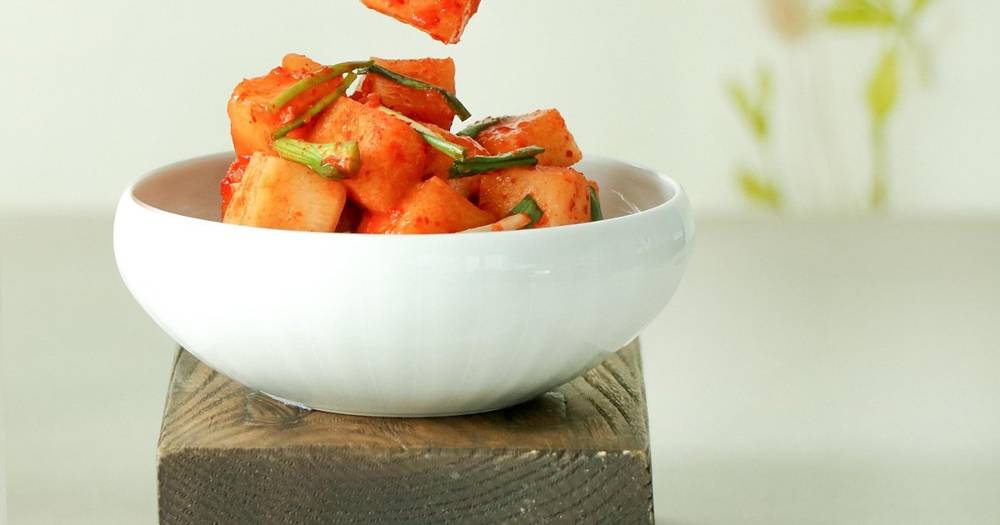
4. Vegetable Bibimbap with Brown Rice
Bibimbap, meaning "mixed rice," is a vibrant bowl of goodness. Load it up with sautéed spinach, bean sprouts, carrots, zucchini, and mushrooms, then top with a fried egg and a drizzle of gochujang. Using brown rice adds extra fiber and nutrients.
It's a beautiful dish that's as good for your body as it is for your taste buds.
5. Tofu Kimchi Stew (Sundubu Jjigae - Vegetarian Version)
This comforting stew is usually made with seafood or pork, but a vegetarian version using extra-firm tofu is equally delicious and packed with protein. The spicy broth, soft tofu, and tangy kimchi create a warming, nourishing meal.
It's a fantastic way to enjoy Korean flavors while keeping it light and plant-based.
6. Korean Spicy Cucumber Salad (Oi Muchim)
More of a side, but this refreshing cucumber salad is a fantastic healthy addition to any meal. Thinly sliced cucumbers are tossed in a vibrant dressing of gochugaru (Korean chili flakes), garlic, sesame oil, and vinegar. It's crisp, tangy, and surprisingly addictive.
It's super quick to prepare and adds a wonderful crunch to your dinner.
Traditional Korean Staples
To truly understand Korean cuisine, you need to know its foundations. These traditional Korean food recipes are staples in Korean households and offer a deep dive into the country's culinary heritage.
They might take a little more time, but the reward is immense.
7. Bulgogi (Marinated Beef BBQ)
Bulgogi is perhaps the most famous Korean dish. Thinly sliced beef (often sirloin or ribeye) is marinated in a savory-sweet sauce of soy sauce, sugar, sesame oil, garlic, and pear juice. It's then grilled or pan-fried until tender and caramelized.
It's a dish that never fails to impress and tastes incredible wrapped in lettuce with a dollop of ssamjang.
8. Japchae (Stir-fried Glass Noodles)
Japchae consists of bouncy sweet potato starch noodles stir-fried with various colorful vegetables (like bell peppers, onions, and mushrooms) and often beef or tofu. Seasoned with soy sauce, sesame oil, and sugar, it's a wonderfully balanced and flavorful dish.
The texture of the glass noodles is truly unique, making this a standout side dish or light meal.
9. Kimchi Jjigae (Kimchi Stew)
Kimchi Jjigae is a quintessential comfort food, especially on a cold day. This hearty, spicy stew is made with aged kimchi, pork (or tuna), tofu, and various vegetables, all simmered in a rich broth. It's incredibly flavorful and satisfying.
Every family has their own version, and I've found that using really sour, old kimchi gives the best results.
Spicy & Savory Korean Recipes
If you love a good kick of spice and deeply savory flavors, these Korean food recipes are calling your name. Korean cuisine isn't just about heat; it's about a complex interplay of spicy, sweet, salty, and umami.
These dishes are my personal favorites when I'm craving something bold.
10. Tteokbokki (Spicy Rice Cakes)
Chewy rice cakes simmered in a vibrant, sweet, and spicy gochujang-based sauce, often with fish cakes and boiled eggs. Tteokbokki is a popular street food that's utterly addictive. It's the perfect dish for a cozy night in.
You can adjust the spice level to your preference, but don't be afraid to go a little bold!
11. Gochujang Pork Belly (Dweji Bulgogi)
This is a spicier cousin to traditional bulgogi. Thinly sliced pork belly is marinated in a fiery gochujang-based sauce with garlic, ginger, and sesame oil, then grilled or pan-fried until crispy at the edges. Serve it with rice and plenty of lettuce wraps.
The fatty pork belly combined with the spicy marinade is an unbeatable combination.
12. Army Stew (Budae Jjigae)
A fascinating dish born from post-war ingenuity, Budae Jjigae combines classic Korean stew ingredients with American processed foods like spam, hot dogs, and baked beans. It's a hearty, flavorful, and incredibly satisfying communal meal.
It's surprisingly delicious and a fun way to feed a crowd.
Korean Snacks & Sides
No Korean meal is complete without an array of delicious side dishes, or banchan. These smaller plates add texture, contrast, and balance to the main course. Many can also serve as light snacks.
I find that having a few banchan ready makes any meal feel special.
13. Kimchi (Spicy Fermented Cabbage)
While often bought pre-made, making your own kimchi is a rewarding experience. It's a staple at every Korean meal, revered for its probiotic benefits and complex, spicy, tangy flavor. It takes time, but it's worth it.
There are countless variations, but the classic napa cabbage kimchi is where you should start.
14. Korean Steamed Egg (Gyeran Jjim)
This incredibly fluffy and custardy steamed egg dish is a comforting side. Eggs are whisked with broth and seasonings, then gently steamed until light and airy. It's mild, savory, and a perfect counterpoint to spicier dishes.
My kids absolutely love this one, it's so simple yet so satisfying.
15. Pan-Fried Dumplings (Mandu)
Mandu are Korean dumplings, often filled with a mixture of pork or beef, tofu, kimchi, and vegetables. While making them from scratch can be a project, frozen mandu are readily available and pan-frying them to a crisp golden perfection is incredibly easy and delicious.
They make a great appetizer or a quick snack, especially with a soy-vinegar dipping sauce.
Expert Cooking Tips for Korean Food
Mastering Korean food recipes involves a few key techniques and ingredients. Don't worry, it's not as daunting as it might seem. A little knowledge goes a long way!
- Quality Ingredients Matter: Especially for sauces. Invest in good quality soy sauce, gochujang (Korean chili paste), gochugaru (Korean chili flakes), and sesame oil.
- Don't Fear Fermentation: Kimchi is at the heart of Korean cuisine. The older and more fermented your kimchi, the deeper the flavor it will bring to stews and fried rice.
- Balance is Key: Korean food often balances spicy, sweet, savory, and sour. Taste as you go and adjust seasonings to your preference.
- Mise en Place: Many Korean dishes come together quickly once you start cooking. Prepare all your ingredients (chop vegetables, marinate meat) before you turn on the stove. This makes cooking much smoother.
Frequently Asked Questions
Cooking Korean food typically involves a combination of stir-frying, simmering, grilling, and fermenting. Key ingredients include gochujang (chili paste), gochugaru (chili flakes), soy sauce, sesame oil, garlic, and ginger. Start with simple dishes like kimchi fried rice or quick bulgogi to build your confidence, then gradually explore more complex stews and traditional preparations.
Some of the easiest Korean food recipes include Kimchi Fried Rice (Kimchi Bokkeumbap), quick Korean Ground Beef & Rice Bowls, and Korean Steamed Eggs (Gyeran Jjim). These dishes require minimal ingredients and cooking time, perfect for weeknight meals. For sides, Oi Muchim (Spicy Cucumber Salad) is also incredibly simple.
Korean food is renowned for its bold, vibrant flavors, often incorporating spicy, savory, and fermented elements. Staples include rice, noodles, and a wide array of side dishes called banchan, most famously kimchi. It's known for its balance of nutrients, use of fresh vegetables, and delicious grilling techniques like bulgogi.
Traditional Korean foods include Bulgogi (marinated grilled beef), Kimchi Jjigae (kimchi stew), Bibimbap (mixed rice with vegetables), Japchae (glass noodles stir-fry), and Tteokbokki (spicy rice cakes). Kimchi is the national dish and a fundamental part of almost every meal.
If you're new to Korean cuisine, I recommend starting with Kimchi Fried Rice for a quick and satisfying meal, or a classic Bulgogi for a taste of traditional Korean BBQ. Bibimbap is also an excellent entry point, offering a balanced and visually appealing experience. Don't forget to include some refreshing Oi Muchim as a side!
Ready to Cook?
I genuinely hope these 15 Korean food recipes inspire you to get into your kitchen and explore the incredible world of Korean cuisine. Each dish offers a unique flavor profile and a glimpse into a rich culinary tradition.
Don't be afraid to experiment and adjust the flavors to your liking. If you try one of these recipes, or have a personal favorite you think I missed, let me know in the comments below! I'd love to hear about your Korean cooking adventures in 2026.
