
Korean Food Recipes: My 2026 Guide to 10 Delicious Dishes
I've always been fascinated by Korean cuisine, and over the years, I've tried countless dishes. The unique blend of sweet, spicy, and savory flavors is just incredible. This year, I decided to compile my personal top 10 list of Korean food recipes that anyone can try at home, whether you're a seasoned chef or just starting out in the kitchen.
Learning to cook these dishes has honestly been a journey of discovery for me. From the fiery kick of tteokbokki to the comforting warmth of bibimbap, each recipe tells a story of Korea's rich culinary heritage. Let's get cooking!
- Kimchi Jjigae (Kimchi Stew)
- Bulgogi (Marinated Beef BBQ)
- Japchae (Glass Noodle Stir-Fry)
- Bibimbap (Mixed Rice with Vegetables and Meat)
- Korean Fried Chicken (Yangnyeom Chicken)
- Tteokbokki (Spicy Rice Cakes)
- Haemul Pajeon (Seafood Green Onion Pancake)
- Doenjang Jjigae (Soybean Paste Stew)
- Gimbap (Korean Seaweed Rice Rolls)
- Sundubu Jjigae (Soft Tofu Stew)
Kimchi Jjigae (Kimchi Stew)
Kimchi Jjigae is arguably one of the most iconic and comforting Korean food recipes out there. It's a staple in Korean homes, and for good reason! The rich, tangy, and spicy broth, brimming with fermented kimchi, pork (or tofu), and vegetables, hits all the right notes, especially on a chilly evening.
I remember my first attempt at making this; I thought it would be complicated, but it's surprisingly straightforward. The key is to use well-fermented kimchi for that deep, complex flavor. You'll often find it served bubbling hot in a stone pot, perfect with a bowl of steamed rice.
Here’s what you'll typically need to get started:
- A good amount of aged kimchi
- Pork belly or shoulder (or firm tofu for a vegetarian version)
- Onion, garlic, and green onions
- Gochujang (Korean chili paste) and gochugaru (Korean chili powder)
- Optional: mushrooms, zucchini, and a bit of rice water for a richer broth
Bulgogi (Marinated Beef BBQ)
Bulgogi, meaning "fire meat," is a classic sweet and savory dish that’s incredibly popular globally. Thinly sliced beef, often sirloin or ribeye, is marinated in a blend of soy sauce, sesame oil, garlic, and fruit puree (like pear or apple), then grilled or pan-fried. It's truly one of the most approachable Korean food recipes easy to master.
The first time I tasted authentic bulgogi, I was amazed by how tender and flavorful the meat was. The fruit in the marinade acts as a natural tenderizer and adds a subtle sweetness that balances the savory notes beautifully. It’s perfect for sharing, often wrapped in lettuce with a dollop of ssamjang.
Key ingredients for a fantastic bulgogi:
- Thinly sliced beef (e.g., ribeye, sirloin)
- Soy sauce, sesame oil, minced garlic, ginger
- Sugar or honey, and a little black pepper
- Grated Asian pear or apple
- Optional: sliced onions, carrots, and green onions for garnish
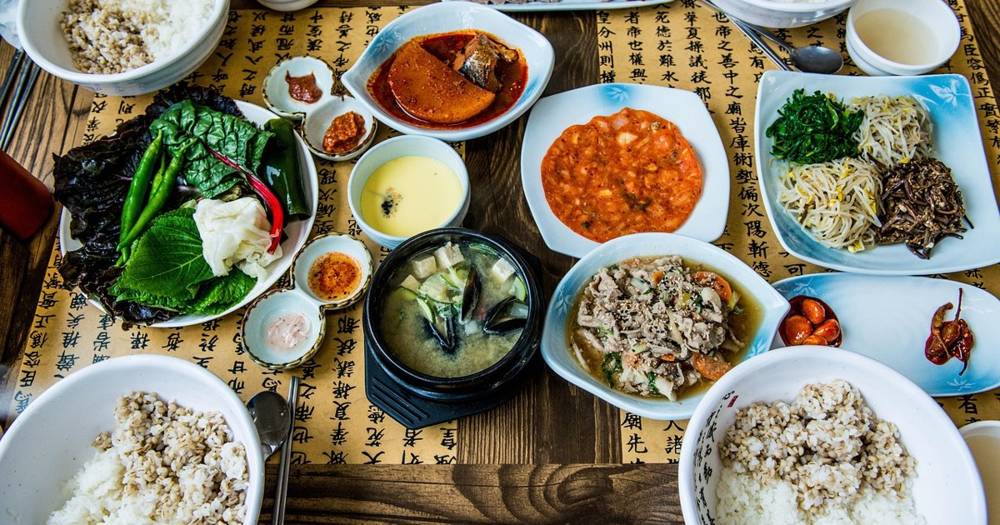
Japchae (Glass Noodle Stir-Fry)
Japchae is a vibrant and flavorful dish featuring glass noodles (dangmyeon) made from sweet potato starch. These chewy noodles are stir-fried with an array of colorful vegetables and often beef or mushrooms. It’s a fantastic example of a Korean food recipes healthy option that's also delicious and visually appealing.
What I love about Japchae is its versatility. You can really customize the vegetables to whatever you have on hand, making it a great way to use up fresh produce. The noodles absorb all the delicious flavors of the stir-fry sauce, which is typically a mix of soy sauce, sesame oil, and a touch of sugar. It’s a dish I often make for potlucks because it's always a crowd-pleaser.
To make wonderful Japchae, focus on:
- Korean glass noodles (dangmyeon)
- Assorted vegetables: spinach, carrots, mushrooms, onion, bell peppers
- Optional: thinly sliced beef, tofu, or egg strips
- Soy sauce, sesame oil, garlic, and a pinch of sugar for seasoning
Bibimbap (Mixed Rice with Vegetables and Meat)
Bibimbap translates to "mixed rice," and that's exactly what it is: a hearty bowl of warm white rice topped with an assortment of sautéed and seasoned vegetables (namul), gochujang, beef or tofu, and often a fried egg. It’s a visually stunning and nutritionally balanced meal, making it another great choice among Korean food recipes healthy dishes.
I find the act of mixing all the ingredients together before eating incredibly satisfying. Each spoonful offers a different combination of textures and flavors – crunchy vegetables, soft rice, savory meat, and the creamy yolk of the egg. It's a truly customizable dish where you can adjust the spiciness and ingredients to your preference.
Essential components for a classic Bibimbap:
- Cooked white rice (preferably medium-grain)
- Various prepared vegetables: spinach, bean sprouts, zucchini, mushrooms, carrots
- Marinated beef (bulgogi-style) or firm tofu
- A fried egg (sunny side up is traditional)
- Gochujang (Korean chili paste), sesame oil, and a sprinkle of sesame seeds
Korean Fried Chicken (Yangnyeom Chicken)
Korean Fried Chicken, or KFC as it's affectionately known, is famous worldwide for its incredibly crispy texture and delicious sauces. While there are many variations, Yangnyeom Chicken (sweet and spicy fried chicken) is perhaps the most popular. It’s not just fried chicken; it’s an experience, and a fantastic option for those seeking indulgent Korean food recipes.
My first bite of authentic KFC was revelatory – the double-frying technique creates an unbelievably crunchy skin, while the meat stays juicy. The sweet and spicy sauce coated every piece perfectly. It's definitely a dish for a special occasion or a weekend treat, and while it takes a bit more effort, it's absolutely worth it.
To recreate this crispy delight, you'll need:
- Chicken wings or drumsticks
- Flour, cornstarch, and baking powder for the coating
- For the sauce: gochujang, soy sauce, garlic, ginger, rice syrup or honey, vinegar
- Cooking oil for deep frying
Tteokbokki (Spicy Rice Cakes)
Tteokbokki is a beloved street food in Korea and one of the most addictive Korean food recipes you can try. It features chewy cylindrical rice cakes (tteok) cooked in a fiery, sweet, and savory gochujang-based sauce. You'll find vendors selling it everywhere in Korea, from bustling markets to subway stations.
I distinctly remember eating tteokbokki from a street vendor in Seoul on a cold day; the heat from the dish was incredibly comforting and the chewy texture was just so satisfying. It’s a dish that truly embodies Korean comfort food. While it's known for its spiciness, you can definitely adjust the heat level to suit your palate.
The core ingredients are simple:
- Korean rice cakes (garaetteok)
- Gochujang (Korean chili paste) and gochugaru (Korean chili powder)
- Dashima (dried kelp) and anchovy broth for depth
- Optional: fish cakes (eomuk), boiled eggs, green onions, and cheese for topping
Haemul Pajeon (Seafood Green Onion Pancake)
Haemul Pajeon is a savory Korean pancake packed with green onions and various seafood. It's a popular appetizer or snack, especially when paired with makgeolli (Korean rice wine) on a rainy day. This is one of those Korean food recipes that’s surprisingly easy to make and incredibly satisfying.
I love the crispy edges and the soft, flavorful interior of a good pajeon. The fresh green onions add a nice bite, and the seafood (squid, shrimp, mussels) brings a wonderful brininess. It's usually served with a simple dipping sauce made of soy sauce, vinegar, and a pinch of chili flakes. Making it at home is much simpler than it looks.
Key items for a perfect Haemul Pajeon:
- All-purpose flour and rice flour (for crispiness)
- Plenty of green onions, cut into long pieces
- Assorted seafood: shrimp, squid, mussels (fresh or frozen)
- Egg, water, and a pinch of salt
- Dipping sauce: soy sauce, vinegar, sesame seeds, gochugaru
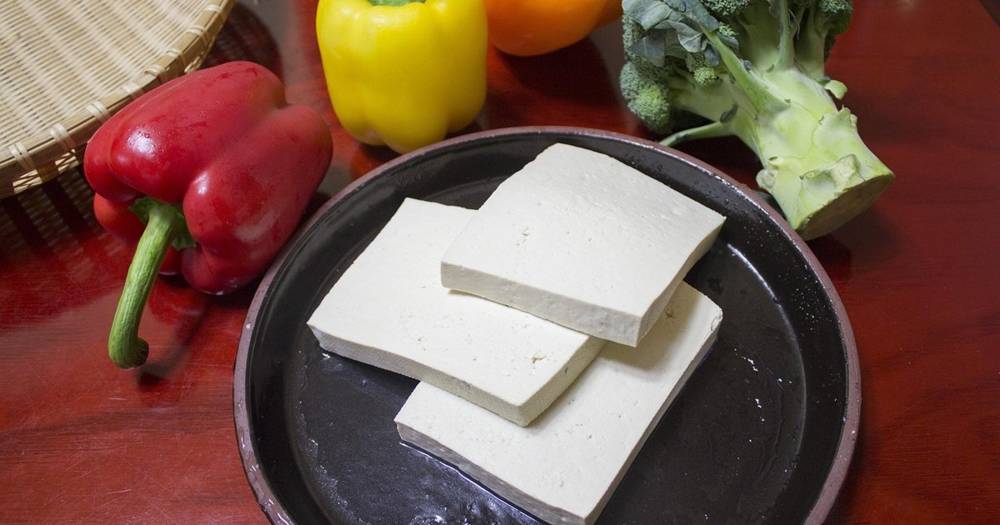
Doenjang Jjigae (Soybean Paste Stew)
Doenjang Jjigae is a rustic and deeply flavorful stew made with doenjang (fermented soybean paste). It's a staple at almost every Korean meal, often served alongside rice and other side dishes. For those looking for Korean food recipes healthy and nourishing, this stew is a must-try. Its earthy, umami-rich flavor is truly unique.
My grandma used to make a phenomenal doenjang jjigae, and the smell of it simmering always brings back warm memories. It's a testament to simple ingredients coming together to create something incredibly complex and comforting. While it might sound intimidating, it’s quite forgiving to make and can be adapted with various vegetables.
What you'll need for this hearty stew:
- Korean soybean paste (doenjang)
- Anchovy broth (or vegetable broth)
- Potatoes, zucchini, onion, mushrooms
- Tofu (firm or soft)
- Optional: thinly sliced beef or clams for added flavor
Gimbap (Korean Seaweed Rice Rolls)
Gimbap consists of steamed white rice and various ingredients rolled in sheets of dried seaweed (gim), then sliced into bite-sized pieces. It's a popular picnic food, snack, or light meal. If you're searching for Korean food recipes easy to pack for lunch, gimbap is a perfect choice, offering a balanced meal in a convenient roll.
Making gimbap can be a bit of an art form, especially getting the rolls tight, but it's really fun once you get the hang of it. I love how creative you can get with the fillings – anything from bulgogi and egg to pickled radish and spinach. It's a versatile dish that tastes great cold, making it ideal for meal prep.
Typical gimbap fillings include:
- Cooked white rice, seasoned with sesame oil and salt
- Dried seaweed sheets (gim)
- Fillings: eggs, ham, crab sticks, pickled radish (danmuji), seasoned spinach, carrots, cucumber
- Optional: bulgogi, tuna, or cheese
Sundubu Jjigae (Soft Tofu Stew)
Sundubu Jjigae is a fiery, bubbling hot stew made with uncurdled soft tofu, vegetables, and often meat or seafood. Served in a traditional earthenware pot (ttukbaegi), it's a wonderfully warming and flavorful dish, perfect for a cold day. Among Korean food recipes, this one stands out for its unique texture and bold flavors.
The first time I tried Sundubu Jjigae, I was captivated by the silky texture of the tofu, almost like custard, which melts in your mouth. The broth can range from mildly spicy to intensely hot, depending on your preference, and it’s often cracked with an egg just before serving. It’s a truly satisfying and hearty stew that warms you from the inside out.
Key ingredients for a delicious Sundubu Jjigae:
- Soft (silken) tofu, usually in a tube
- Gochugaru (Korean chili powder), gochujang (optional)
- Meat (pork or beef) or seafood (clams, shrimp)
- Onion, garlic, mushroom, zucchini
- Egg, green onions for garnish
| Recipe | Main Flavor Profile | Difficulty Level | Healthy Option? |
|---|---|---|---|
| Kimchi Jjigae | Spicy, Tangy, Savory | Medium | Yes (with tofu) |
| Bulgogi | Sweet, Savory, Umami | Easy | Yes (lean cuts) |
| Japchae | Sweet, Savory, Chewy | Medium | Yes |
| Bibimbap | Mixed, Fresh, Savory | Medium | Yes |
| Korean Fried Chicken | Sweet, Spicy, Crispy | Hard | No |
| Tteokbokki | Fiery, Sweet, Chewy | Easy | No |
| Haemul Pajeon | Savory, Briny, Crispy | Medium | Yes (pan-fried) |
| Doenjang Jjigae | Earthy, Umami, Savory | Easy | Yes |
| Gimbap | Fresh, Savory, Varied | Medium | Yes |
| Sundubu Jjigae | Spicy, Silky, Rich | Medium | Yes (with veggies) |
Frequently Asked Questions
Cooking Korean food at home often involves sourcing key ingredients like gochujang, gochugaru, doenjang, and sesame oil, which are widely available in Asian grocery stores or online. Many Korean food recipes easy for beginners, like bulgogi or gimbap, have straightforward steps once you have the ingredients. It's often about balancing flavors: sweet, savory, spicy, and umami.
For beginners, I'd recommend trying Bulgogi (marinated beef), Gimbap (seaweed rice rolls), or Doenjang Jjigae (soybean paste stew). These Korean food recipes are relatively simple, require common ingredients, and teach fundamental Korean cooking techniques without being overly complex. Japchae is also quite manageable once you prep the vegetables.
Traditional Korean food emphasizes fresh, seasonal ingredients, often fermented. It’s characterized by a balance of flavors (sweet, sour, salty, spicy, bitter) and often incorporates rice, vegetables, meat, and various fermented pastes like gochujang and doenjang. Meals are typically served with an array of banchan (side dishes), with kimchi being the most famous example. Many Korean food recipes healthy are rooted in these traditions.
The "best" Korean food recipes depend on personal taste, but popular and highly-regarded dishes include Kimchi Jjigae, Bulgogi, Bibimbap, Tteokbokki, and Korean Fried Chicken. These dishes offer a great introduction to the diversity of Korean cuisine, ranging from spicy stews to savory grilled meats and comforting rice bowls. Don't forget the incredible street food options like Haemul Pajeon!
Ready to Cook Your Own Korean Feast?
I hope this guide to my favorite Korean food recipes has inspired you to get into the kitchen and explore the incredible flavors of Korea. From quick and easy weeknight meals to more elaborate weekend projects, there’s truly something for everyone.
Experiment with the spices, adjust to your taste, and most importantly, have fun with it! I'd love to hear about your favorite Korean dishes or any tips you have. Share your culinary adventures in the comments below!
