5 Korean Recipes: Measurements & Cook Time (2026 Edition)
Korean food has always held a special place in my heart. The vibrant flavors, the perfect balance of sweet, spicy, and savory – it's truly a culinary adventure. I've spent countless hours in my kitchen, perfecting these dishes, and I'm excited to share my go-to recipes with exact measurements and cook times for 2026.
If you've ever felt intimidated by Korean cooking, don't worry! This guide breaks down five essential dishes, ensuring you get consistent, delicious results every time. Let's get cooking!
Kimchi Fried Rice (Kimchi Bokkeumbap)
Kimchi Fried Rice is one of my ultimate comfort foods. It's incredibly versatile and a fantastic way to use up leftover rice and slightly sour kimchi. The key is using aged kimchi for a deeper, more complex flavor profile.
I find this dish comes together quickly, making it a perfect weeknight meal. Here's how I make it:
Ingredients (Serves 2-3)
- 2 cups cooked cold rice (day-old rice works best)
- 1 cup aged kimchi, chopped
- 2 tbsp kimchi juice
- 150g pork belly or spam, diced (optional)
- ½ medium onion, chopped
- 2 green onions, chopped (white and green parts separated)
- 1 tbsp gochujang (Korean chili paste)
- 1 tbsp soy sauce
- 1 tbsp sesame oil
- 1 tsp sugar
- 2 eggs, fried sunny-side up (for topping)
- Sesame seeds for garnish
Instructions & Cook Time (Total: 15-20 minutes)
- Prep Time (5 minutes): Dice pork belly/spam, chop kimchi, onion, and green onions. Have all sauces measured out.
- Cook Pork (3-5 minutes): Heat 1 tbsp cooking oil in a large non-stick pan or wok over medium-high heat. Add pork belly/spam and cook until crispy and fat is rendered. Remove pork, leaving rendered fat in the pan.
- Sauté Vegetables (3 minutes): Add chopped onion and the white parts of green onion to the pan. Sauté until fragrant and softened, about 2-3 minutes.
- Add Kimchi & Seasoning (3 minutes): Stir in the chopped kimchi, kimchi juice, gochujang, soy sauce, and sugar. Cook for 2-3 minutes, stirring constantly.
- Combine with Rice (2-3 minutes): Add the cold rice to the pan. Break up any clumps and mix everything thoroughly. Stir-fry for 2-3 minutes until heated through and well combined.
- Finish (1 minute): Turn off heat. Stir in the sesame oil and green parts of the green onion.
- Serve: Divide into bowls, top each with a fried egg, and sprinkle with sesame seeds.
Spicy Pork Stir-Fry (Jeyuk Bokkeum)
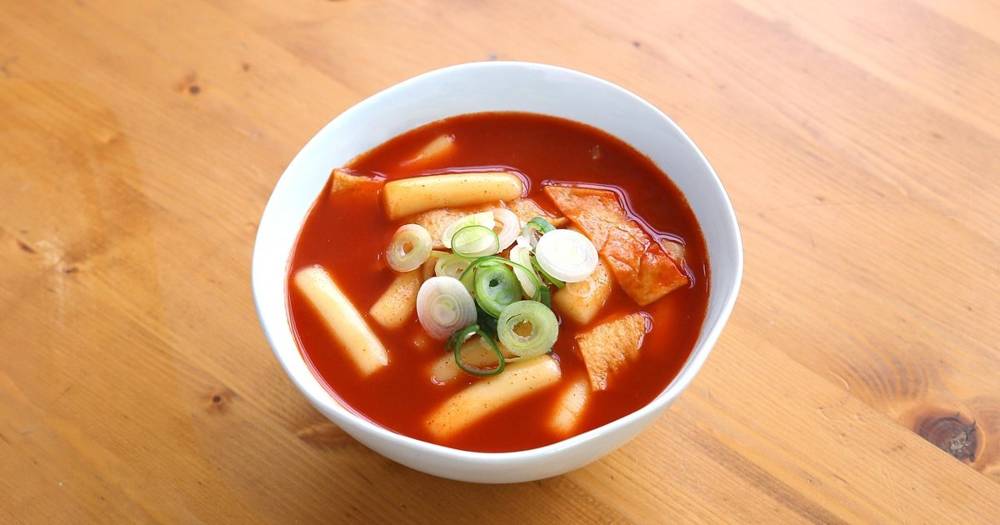
This is a dish that always gets rave reviews whenever I make it. Jeyuk Bokkeum is packed with flavor, and the tender, marinated pork with crisp vegetables is just divine. It's fantastic with a bowl of steamed rice and a few simple banchan (side dishes).
The marinating time is essential here, so plan ahead for the best results. I usually let it sit for at least an hour, but overnight is even better.
Ingredients (Serves 3-4)
- 500g pork shoulder or pork butt, thinly sliced
- ½ medium onion, thinly sliced
- 1 carrot, julienned
- ½ green bell pepper, thinly sliced
- ½ red bell pepper, thinly sliced
- 2 green onions, cut into 2-inch pieces
- 1 tbsp cooking oil
- Sesame seeds for garnish
Marinade
- 3 tbsp gochujang
- 1 tbsp gochugaru (Korean chili flakes)
- 2 tbsp soy sauce
- 2 tbsp mirin (rice wine)
- 2 tbsp sugar or corn syrup
- 2 tbsp minced garlic
- 1 tbsp grated ginger
- 1 tbsp sesame oil
- ½ tsp black pepper
Instructions & Cook Time (Total: 30 minutes active, plus 1-8 hours marinating)
- Marinate Pork (1-8 hours): In a large bowl, combine all marinade ingredients. Add the sliced pork and mix well, ensuring every piece is coated. Cover and refrigerate for at least 1 hour, or preferably 4-8 hours for maximum flavor.
- Prep Vegetables (10 minutes): While the pork marinates, thinly slice the onion, julienne the carrot, and slice the bell peppers and green onions.
- Cook Pork (10-12 minutes): Heat 1 tbsp cooking oil in a large pan or wok over medium-high heat. Add the marinated pork in a single layer (you might need to do this in batches if your pan isn't large enough to prevent overcrowding). Cook for 5-7 minutes, stirring occasionally, until the pork is mostly cooked through and slightly caramelized.
- Add Vegetables (5-7 minutes): Add the sliced onion, carrot, and bell peppers to the pan. Continue to stir-fry for 5-7 minutes until the vegetables are tender-crisp.
- Finish (1 minute): Stir in the green onions and cook for another minute.
- Serve: Garnish with sesame seeds and serve immediately with steamed rice.
Korean Egg Rolls (Gyeran Mari)
Gyeran Mari is a simple yet incredibly satisfying Korean side dish that's perfect for lunchboxes or as part of a larger meal. It's essentially a rolled omelet, but with a unique Korean twist. I love adding finely chopped vegetables for color and extra nutrients.
This dish might take a little practice to get the rolling technique down, but it's really not too difficult. Just be patient!
Ingredients (Serves 2-3)
- 6 large eggs
- ¼ cup finely chopped carrot
- ¼ cup finely chopped zucchini
- 2 tbsp finely chopped green onion
- ¼ tsp salt
- Pinch of black pepper
- 1 tsp cooking oil
Instructions & Cook Time (Total: 10-12 minutes)
- Prep Time (5 minutes): Finely chop all vegetables. In a medium bowl, whisk the eggs with salt and pepper until well combined. Stir in the chopped carrot, zucchini, and green onion.
- Heat Pan (1 minute): Heat a non-stick rectangular or round pan (about 8-10 inches) over medium-low heat. Lightly brush with 1/2 tsp cooking oil.
- First Layer (1-2 minutes): Pour about a third of the egg mixture into the pan, tilting to spread it thinly and evenly. Cook until the edges are set but the top is still slightly wet.
- Roll (3-4 minutes): Using a spatula, gently roll the cooked egg layer from one end of the pan to the other, creating a log. Push the rolled egg to one side of the pan.
- Second Layer (1-2 minutes): Lightly oil the empty part of the pan if needed. Pour another third of the egg mixture into the empty space, making sure some of the new mixture goes under the already rolled egg. Cook until the edges are set and the new layer is mostly cooked.
- Continue Rolling: Roll the existing egg log over the new layer, continuing to build the roll. Repeat with the remaining egg mixture until all egg is used and you have a thick roll.
- Finish (1 minute): Cook the finished egg roll for another minute or so, gently pressing on all sides to ensure it's cooked through.
- Slice: Carefully transfer the egg roll to a cutting board. Let it cool for a minute, then slice into 1-inch thick pieces. Serve warm or at room temperature.
Seaweed Soup (Miyeokguk)
Miyeokguk, or Korean seaweed soup, is a deeply nourishing and flavorful dish, traditionally eaten on birthdays or after childbirth. It's incredibly healthy, packed with minerals, and surprisingly simple to make. The key to its rich flavor is properly soaking and sautéing the dried seaweed.
I find this soup to be incredibly comforting, especially during colder months. It's also a fantastic way to introduce new flavors to your family without too much spice.
Ingredients (Serves 4)
- 30g dried miyeok (seaweed)
- 200g beef (brisket or stew meat), thinly sliced or cubed
- 1 tbsp sesame oil
- 2 tbsp soy sauce (Korean soup soy sauce if available, otherwise regular)
- 1 tbsp minced garlic
- 6 cups water or anchovy broth
- Salt and black pepper to taste
Instructions & Cook Time (Total: 40-50 minutes, plus 30 mins soaking)
- Soak Seaweed (30 minutes): Place dried miyeok in a large bowl and cover with plenty of cold water. Let it soak for at least 30 minutes until it expands significantly. Drain, rinse thoroughly, and squeeze out excess water. Cut into 2-3 inch pieces.
- Marinate Beef (5 minutes): In a bowl, combine the beef with 1 tbsp soy sauce and ½ tbsp minced garlic. Mix well.
- Sauté Beef & Seaweed (10-12 minutes): Heat 1 tbsp sesame oil in a large pot over medium heat. Add the marinated beef and cook until it's no longer pink, about 5-7 minutes. Add the soaked and cut seaweed, remaining 1 tbsp soy sauce, and remaining ½ tbsp minced garlic. Sauté for another 5 minutes, stirring occasionally. This step is crucial for developing a deep flavor.
- Simmer (25-30 minutes): Pour in 6 cups of water or anchovy broth. Bring to a boil, then reduce heat to low, cover, and simmer for at least 25-30 minutes, or longer for a richer broth.
- Season: Taste and adjust seasoning with salt and black pepper.
- Serve: Serve hot with a bowl of rice.
Spicy Cold Noodles (Bibim Guksu)
On a hot summer day, there's nothing quite as refreshing as a bowl of Bibim Guksu. These spicy cold noodles are a burst of flavors and textures – chewy noodles, crisp vegetables, and a tantalizingly spicy, sweet, and tangy sauce. It's one of those dishes I always crave when the temperature rises.
My family loves this for a light lunch. It's surprisingly easy to whip up once you have the sauce ingredients ready.
Ingredients (Serves 2)
- 200g somen noodles (or thin spaghetti)
- ½ cup cucumber, julienned
- ½ cup carrot, julienned
- ¼ cup kimchi, chopped (optional)
- 1 hard-boiled egg, halved (for garnish)
- Sesame seeds for garnish
Sauce
- 3 tbsp gochujang
- 1 tbsp gochugaru
- 2 tbsp soy sauce
- 2 tbsp vinegar (rice or apple cider)
- 1 tbsp sugar or corn syrup
- 1 tbsp sesame oil
- 1 tbsp minced garlic
- 1 tsp roasted sesame seeds
Instructions & Cook Time (Total: 20-25 minutes)
- Prepare Sauce (5 minutes): In a small bowl, whisk together all sauce ingredients until well combined. Set aside.
- Prep Vegetables (5 minutes): Julienne the cucumber and carrot. Chop the kimchi if using.
- Cook Noodles (5-7 minutes): Bring a pot of water to a rolling boil. Add somen noodles and cook according to package directions (usually 3-5 minutes for somen). The noodles should be al dente.
- Rinse Noodles (2-3 minutes): Immediately drain the cooked noodles and rinse them thoroughly under cold running water. Rub the noodles gently to remove excess starch, ensuring they are completely chilled. Drain very well.
- Assemble (3 minutes): In a large mixing bowl, combine the drained cold noodles, julienned cucumber, carrot, and chopped kimchi (if using). Pour the prepared sauce over the ingredients.
- Mix & Serve: Toss everything together thoroughly until the noodles and vegetables are evenly coated with the sauce. Divide into bowls, garnish with a hard-boiled egg half and sesame seeds. Serve immediately.
Essential Korean Ingredients to Stock Up On
To truly master Korean cooking, having a well-stocked pantry is a game-changer. These are the items I always make sure I have on hand. Investing in good quality ingredients makes a noticeable difference in the final taste of your dishes.
I usually pick these up at my local Asian grocery store, where the prices are also generally better than larger supermarkets.
- Gochujang (Korean Chili Paste): This fermented savory, sweet, and spicy condiment is indispensable. It's the backbone of many Korean dishes. Expect to pay around $6-10 for a medium tub.
- Gochugaru (Korean Chili Flakes): Used for adding heat and vibrant red color. It comes in different coarseness and spice levels. A 500g bag typically costs $8-15.
- Soy Sauce: You'll want two types if possible: regular (Ganjang) for general cooking and soup soy sauce (Guk Ganjang) which is saltier and used specifically for soups and broths.
- Sesame Oil: Toasted sesame oil is a finishing oil, adding a rich, nutty aroma. Use it sparingly.
- Mirin (Rice Wine): Adds a subtle sweetness and helps tenderize meat.
- Kimchi: Fermented napa cabbage. A staple! A 1kg jar usually runs about $10-15.
- Doenjang (Fermented Soybean Paste): Similar to Japanese miso, but with a stronger, more pungent flavor. Essential for stews.
Frequently Asked Questions
A. While you can find substitutes, I strongly recommend using authentic gochujang and gochugaru for the true Korean flavor. Gochujang offers a unique blend of sweet, savory, and spicy that's hard to replicate. Gochugaru provides a distinct bright red color and a specific kind of heat. If absolutely necessary, a blend of sriracha and miso paste might approximate gochujang, and cayenne pepper for gochugaru, but the taste won't be identical.
A. Generally, most of these cooked Korean dishes will last 3-4 days in an airtight container in the refrigerator. Kimchi Fried Rice and Jeyuk Bokkeum are excellent for meal prep. Miyeokguk (seaweed soup) can last a bit longer, up to 5 days, and often tastes even better the next day as the flavors meld. Bibim Guksu is best eaten fresh as the noodles can become soggy over time.
A. Cold rice refers to rice that has been cooked and then chilled, typically in the refrigerator for several hours or overnight. Day-old rice is simply cold rice that has been refrigerated for about a day. The key benefit is that chilling the rice dries it out slightly and firm up the grains, preventing it from clumping and becoming mushy when stir-fried. Freshly cooked, warm rice has too much moisture and starch for good fried rice.
Ready to Try Your Hand at Korean Cooking?
I hope these recipes inspire you to get into the kitchen and explore the wonderful world of Korean cuisine. With these precise measurements and cook times, you're well on your way to creating delicious, authentic Korean meals right at home in 2026. Don't be afraid to experiment a little once you get the hang of it!
What's your favorite Korean dish to make? Share your thoughts and questions in the comments below – I'd love to hear from you!
