7 Korean Recipes: Exact Measurements & Cook Time for 2026
I've always loved Korean food, but for years, my attempts at cooking it at home felt like a guessing game. Recipes often gave vague instructions, leaving me frustrated. That's why I put together this guide: to provide concrete measurements and realistic cook times for 7 popular Korean dishes in 2026.
You'll find everything from fiery stews to savory pancakes, all broken down so you can cook with confidence. No more "a dash of this" or "cook until done"—I'm giving you the specifics I've refined over countless kitchen experiments.
Kimchi Fried Rice (Kimchi Bokkeumbap)
Kimchi bokkeumbap is my go-to comfort food. It's incredibly quick to make, especially when you have leftover rice, and the fermented kimchi adds a fantastic depth of flavor. I usually whip this up for a speedy lunch or a late-night snack.
For a perfect batch, the key is using day-old rice; fresh rice tends to get too sticky. The slight crispiness from the pan-fried rice grains makes all the difference.
Ingredients for Kimchi Bokkeumbap (Serves 2, Cook Time: 15 minutes)
- 2 cups cooked cold rice (day-old is best)
- 1 cup aged kimchi, chopped (reserve 2 tbsp kimchi juice)
- 1/2 cup pork belly or spam, diced (optional)
- 1/4 yellow onion, diced
- 1 tbsp gochujang (Korean chili paste)
- 1 tbsp soy sauce
- 1 tsp sugar
- 1 tbsp sesame oil
- 2 fried eggs, for topping
- Green onions, chopped, for garnish
- Roasted seaweed, crushed, for garnish
Preparation Steps
- Heat 1 tbsp oil in a large pan or wok over medium-high heat. Add pork belly or spam and cook until crispy, about 3-4 minutes. Remove and set aside.
- Add diced onion to the same pan and sauté until softened, about 2 minutes.
- Stir in the chopped kimchi and cook for 3-4 minutes, allowing it to caramelize slightly.
- Add the cold rice to the pan. Break it up with your spatula.
- In a small bowl, whisk together gochujang, soy sauce, sugar, and reserved kimchi juice. Pour this sauce over the rice and kimchi.
- Stir-fry everything together for 5-7 minutes, ensuring the rice is well coated and heated through. Add the cooked pork belly/spam back in.
- Drizzle with sesame oil, stir once more, then remove from heat.
- Serve immediately, topped with a fried egg, chopped green onions, and crushed seaweed.
Spicy Pork Stir-fry (Jeyuk Bokkeum)
Jeyuk bokkeum is a fantastic weeknight meal, delivering a spicy kick that wakes up your taste buds. I love serving it with fresh lettuce wraps and a side of plain rice to balance the flavors. It’s also surprisingly quick to prepare if you have all your ingredients ready.
The marinade is crucial here, giving the pork its signature flavor. I find that marinating for at least 30 minutes makes a noticeable difference in tenderness and taste.
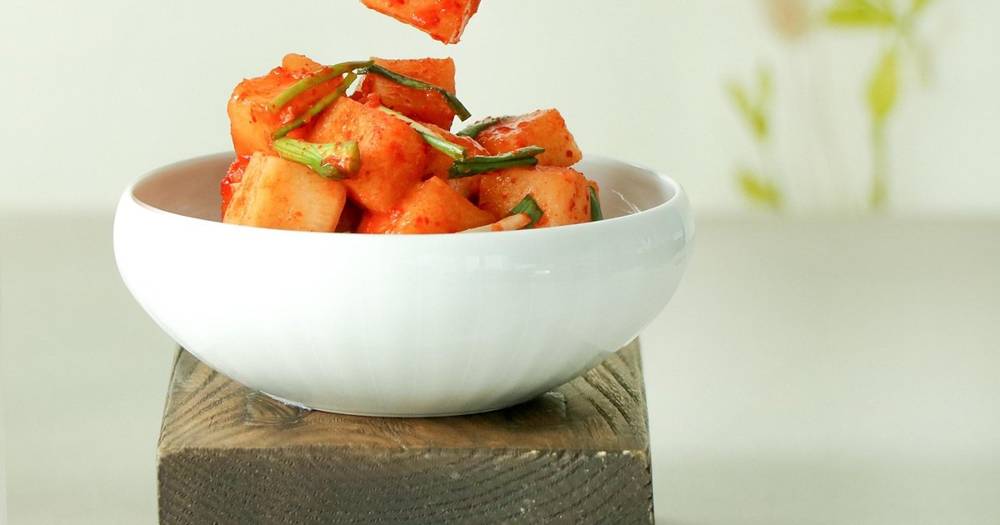
Ingredients for Jeyuk Bokkeum (Serves 3-4, Cook Time: 25 minutes)
- 1 lb pork shoulder or belly, thinly sliced (about 1/8 inch thick)
- 1/2 yellow onion, thinly sliced
- 1/2 green bell pepper, thinly sliced
- 1/2 red bell pepper, thinly sliced
- 2 green onions, cut into 2-inch pieces
Marinade:
- 3 tbsp gochujang (Korean chili paste)
- 1 tbsp gochugaru (Korean chili flakes)
- 2 tbsp soy sauce
- 2 tbsp mirin (rice wine)
- 1 tbsp sugar or corn syrup
- 1 tbsp minced garlic
- 1 tsp grated ginger
- 1 tbsp sesame oil
- Pinch of black pepper
Preparation Steps
- In a large bowl, combine all marinade ingredients. Add the thinly sliced pork and mix well, ensuring every piece is coated. Marinate for at least 30 minutes, or up to 2 hours in the refrigerator.
- Heat 1 tbsp cooking oil in a large pan or wok over medium-high heat.
- Add the marinated pork and stir-fry for 5-7 minutes until almost cooked through.
- Add the sliced yellow onion, green bell pepper, and red bell pepper. Continue to stir-fry for another 5-7 minutes until the vegetables are tender-crisp and the pork is fully cooked.
- Stir in the green onions for the last minute of cooking.
- Serve hot with rice and lettuce wraps.
Seafood Pancake (Haemul Pajeon)
Haemul Pajeon is a savory pancake studded with seafood and green onions, crispy on the outside and tender inside. It's often served as an appetizer or a light meal, especially on a rainy day. I love making this when I have friends over; it's always a crowd-pleaser.
The secret to a truly great pajeon is to use a hot pan and minimal batter, allowing the green onions and seafood to shine. Don't overcrowd the pan!
Ingredients for Haemul Pajeon (Serves 2-3, Cook Time: 20 minutes)
- 1 cup all-purpose flour
- 1/2 cup rice flour (optional, for extra crispiness)
- 1 1/2 cups cold water
- 1 large egg
- 1/2 tsp salt
- 1 cup mixed seafood (shrimp, squid, mussels), cut into bite-sized pieces
- 6-8 green onions, cut into 3-4 inch pieces
- Vegetable oil, for frying
Dipping Sauce:
- 2 tbsp soy sauce
- 1 tbsp rice vinegar
- 1 tsp gochugaru (Korean chili flakes)
- 1 tsp sesame oil
- 1 tsp sesame seeds
Preparation Steps
- In a large bowl, whisk together all-purpose flour, rice flour (if using), cold water, egg, and salt until a smooth batter forms. Don't overmix.
- Heat 2-3 tbsp vegetable oil in a large non-stick pan or cast-iron skillet over medium-high heat. The pan needs to be very hot.
- Arrange half of the green onion pieces in a single layer in the hot pan. Scatter half of the mixed seafood evenly over the green onions.
- Pour about half of the batter over the green onions and seafood, just enough to bind them together thinly.
- Cook for 5-7 minutes until the bottom is golden brown and crispy. Carefully flip the pancake and cook for another 4-5 minutes until the other side is golden and the seafood is cooked through.
- Repeat with the remaining ingredients to make a second pancake.
- While pancakes cook, whisk together dipping sauce ingredients.
- Slice the pajeon into wedges and serve immediately with the dipping sauce.
Soy Marinated Eggs (Mayak Gyeran)
Mayak Gyeran, or "drug eggs," are incredibly addictive, hence the nickname! These soft-boiled eggs marinated in a sweet and savory soy sauce are perfect over rice or as a side dish. I always have a batch in my fridge; they last for about 3-4 days and make any meal feel special.
The key to perfect soft-boiled eggs is precise timing. I aim for a 6.5-minute boil for that ideal jammy yolk.
Ingredients for Mayak Gyeran (Yields 6 eggs, Marinating Time: 6 hours, Cook Time: 10 minutes)
- 6 large eggs
- 1/2 cup soy sauce
- 1/4 cup water
- 2 tbsp sugar or corn syrup
- 1 tbsp rice vinegar
- 2 cloves garlic, minced
- 1 green chili, thinly sliced (optional, for mild spice)
- 1 red chili, thinly sliced (optional)
- 2 green onions, chopped
- 1 tbsp sesame seeds
Preparation Steps
- Gently lower eggs into a pot of boiling water. Cook for exactly 6.5 minutes for a jammy yolk. For firmer yolks, cook for 7-8 minutes.
- Immediately transfer eggs to an ice bath for 5 minutes to stop the cooking process. Carefully peel the eggs under cold running water.
- In a medium container or jar, whisk together soy sauce, water, sugar, rice vinegar, minced garlic, and sliced chilies (if using).
- Add the peeled eggs to the marinade, ensuring they are mostly submerged. Add chopped green onions and sesame seeds.
- Cover and refrigerate for at least 6 hours, or ideally overnight, for best flavor.
- Serve cold over rice or as a side dish. The eggs are best consumed within 3-4 days.
Korean Seaweed Rice Rolls (Gimbap)
Gimbap is often called "Korean sushi," but it’s distinctly different and incredibly versatile. I love making gimbap for picnics or as a packed lunch because it’s a complete meal in one convenient roll. It's a bit of work, but the payoff is huge!
The beauty of gimbap is its customizable fillings. While I list some classics, don't be afraid to experiment with your favorite vegetables or proteins. Just ensure your ingredients are cut into long, thin strips for easy rolling.
Ingredients for Gimbap (Makes 4 rolls, Prep Time: 40 minutes, Cook Time: 20 minutes)
- 4 sheets of dried seaweed (gim)
- 3 cups cooked short-grain rice, seasoned with 1 tbsp sesame oil and 1/2 tsp salt
- 4 eggs, beaten and cooked into a thin omelet, then sliced into strips
- 1 large carrot, julienned and lightly stir-fried
- 1 cup spinach, blanched, squeezed dry, and seasoned with 1 tsp sesame oil & pinch of salt
- 4 strips of pickled radish (danmuji), julienned
- 4 imitation crab sticks, halved lengthwise
- 4 strips of seasoned burdock root (woo-eong), optional
- 1/2 cucumber, julienned
- Mayonnaise or mustard, optional, for spreading
- Sesame oil, for brushing rolls
- Sesame seeds, for garnish
Preparation Steps
- Prepare all fillings: Cook and season rice. Cook eggs into an omelet and slice. Blanch and season spinach. Stir-fry julienned carrot. Slice pickled radish, imitation crab, and burdock root.
- Place one sheet of gim (shiny side down) on a bamboo rolling mat (gimbap mal-i).
- Spread a thin, even layer of seasoned rice over about 2/3 of the seaweed, leaving the top 1/3 empty. Leave about 1/2 inch border at the bottom.
- Arrange the prepared fillings horizontally in the middle of the rice layer. You can add a thin line of mayonnaise or mustard if desired.
- Starting from the bottom, carefully roll the gimbap tightly using the bamboo mat. Press firmly as you roll to ensure a compact roll. Use a little water on the top edge of the seaweed to seal the roll.
- Repeat for the remaining rolls.
- Brush each roll with a thin layer of sesame oil and sprinkle with sesame seeds. Slice into 1/2-inch thick pieces using a sharp knife.
- Serve immediately or pack for later.
Spicy Beef Radish Soup (Sogogi Muguk)
Sogogi Muguk is a comforting, clear beef and radish soup that's surprisingly flavorful for its simple ingredients. It's a staple in many Korean households, often served for breakfast or as a side with any meal. I love how the radish softens and sweetens, soaking up the rich beef broth.
While some versions are spicy, my recipe here provides a mild, savory broth with an optional chili kick. The key to a clear broth is to skim off any impurities during the initial boiling of the beef.
Ingredients for Sogogi Muguk (Serves 4, Cook Time: 45 minutes)
- 1 lb beef brisket or stew meat, cut into 1-inch cubes
- 4 cups Korean radish (mu), peeled and sliced into 1/2-inch thick pieces
- 8 cups water or beef broth
- 3 cloves garlic, minced
- 2 tbsp soy sauce (Korean soup soy sauce is ideal, but regular is fine)
- 1 tbsp sesame oil
- 1/2 tsp black pepper
- 1 green onion, chopped, for garnish
- 1 tbsp gochugaru (Korean chili flakes), optional, for spicy version
Preparation Steps
- In a large pot, add the beef cubes and 8 cups of water. Bring to a boil over high heat, then reduce heat to medium-low. Skim off any foam or impurities that rise to the surface. Continue to simmer for 15 minutes.
- Remove the beef from the broth and rinse. Cut beef into smaller, bite-sized pieces if desired. Set aside.
- Discard the initial broth (this removes impurities). Clean the pot.
- In the same pot, heat 1 tbsp sesame oil over medium heat. Add the beef and minced garlic. Sauté for 3-4 minutes until the beef is lightly browned.
- Add the sliced Korean radish and continue to sauté for another 5 minutes, allowing the radish to absorb the beef flavor.
- Pour in 8 cups of fresh water (or beef broth). Bring to a boil, then reduce heat to medium-low and simmer for 20 minutes, or until radish is tender.
- Stir in the soy sauce and black pepper. If making it spicy, add 1 tbsp gochugaru now.
- Taste and adjust seasoning if needed. Serve hot, garnished with chopped green onions.
Vegetarian Glass Noodles Stir-fry (Japchae)
Japchae, or Korean glass noodle stir-fry, is a vibrant and flavorful dish often served at special occasions, but it’s easy enough for a weeknight. I actually prefer the vegetarian version; the chewy texture of the sweet potato noodles combined with various colorful vegetables is incredibly satisfying. It's truly a labor of love, but worth every minute.
The key to perfect japchae is to cook each vegetable separately and then combine them. This ensures each component retains its unique texture and flavor, preventing a mushy mess.
Ingredients for Vegetarian Japchae (Serves 4, Prep Time: 30 minutes, Cook Time: 30 minutes)
- 10 oz Korean glass noodles (dangmyeon)
- 1/2 yellow onion, thinly sliced
- 1 large carrot, julienned
- 1 red bell pepper, thinly sliced
- 1 cup spinach, blanched & squeezed dry
- 4-5 shiitake mushrooms, thinly sliced
- 1 tbsp minced garlic
- 3 tbsp soy sauce
- 2 tbsp sugar or corn syrup
- 1 tbsp sesame oil
- 1 tbsp roasted sesame seeds
- Vegetable oil, for stir-frying
Preparation Steps
- Boil glass noodles according to package directions (usually 6-8 minutes). Drain, rinse with cold water, then cut with kitchen shears to manageable length (2-3 cuts). Toss with 1 tbsp sesame oil to prevent sticking.
- In a large pan, heat 1 tbsp vegetable oil over medium-high heat. Add sliced shiitake mushrooms and stir-fry for 3-4 minutes. Season with a pinch of salt. Remove and set aside.
- Repeat with julienned carrots, stir-frying for 2-3 minutes until tender-crisp. Remove and set aside.
- Repeat with sliced bell pepper, stir-frying for 2-3 minutes. Remove and set aside.
- Add sliced onion to the pan and sauté for 2 minutes. Add minced garlic and cook for 1 minute more.
- In a large bowl, combine cooked noodles, all stir-fried vegetables (mushrooms, carrots, bell pepper, onion), and blanched spinach.
- Add soy sauce, sugar, 1 tbsp sesame oil, and sesame seeds. Toss everything together vigorously by hand (wearing gloves is recommended) to ensure all ingredients are well coated and flavors are evenly distributed.
- Taste and adjust seasoning. Serve warm or at room temperature.
| Ingredient | Typical Use | Price/kg (approx. USD) | Shelf Life |
|---|---|---|---|
| Gochujang | Spicy stews, marinades, dipping sauces | $8.50 - $12.00 | Up to 2 years (refrigerated) |
| Gochugaru | Adding heat to kimchi, soups, sauces | $15.00 - $25.00 | 1 year (cool, dark place) |
| Soy Sauce | Marinades, dipping sauces, seasoning | $5.00 - $10.00 | 2-3 years (unopened), 6 months (opened, refrigerated) |
| Sesame Oil | Finishing oil, flavor enhancer | $10.00 - $18.00 | 1 year (cool, dark place) |
| Mirin | Adds sweetness and glaze to marinades | $6.00 - $10.00 | 2-3 months (opened, refrigerated) |
Frequently Asked Questions
The most common mistake I see is not tasting and adjusting seasonings as you go. Korean cooking relies heavily on balancing sweet, savory, and spicy. Don't be afraid to taste and add a little more soy sauce, sugar, or gochujang to suit your preference, especially towards the end of cooking.
While you can, I don't recommend it for authentic flavor. Gochujang (chili paste) and gochugaru (chili powder) have unique fermented and smoky notes. If you absolutely can't find them, a mix of sriracha and miso paste for gochujang, or cayenne pepper for gochugaru, might work in a pinch, but the taste won't be quite the same.
Korean soup soy sauce (Guk Ganjang) is less salty and has a lighter color than regular soy sauce, designed to season soups without darkening them too much. While regular soy sauce works, you might need to use slightly less and potentially add a tiny pinch more salt to achieve the desired flavor balance without making your soup too dark.
Most Korean dishes, especially stews and stir-fries, can be stored in airtight containers in the refrigerator for 3-4 days. Gimbap is best eaten fresh but can last a day if wrapped tightly. Kimchi fried rice also reheats well. Just make sure to cool them down quickly before refrigerating to maintain food safety and quality.
Ready to Master Korean Cooking in 2026?
I genuinely believe that with these precise measurements and cook times, anyone can create delicious Korean meals at home. No more vague instructions or disappointing results. These are the recipes I rely on in my own kitchen, and I'm confident you'll love them too. Give them a try, and let me know which one becomes your new favorite!
What's your go-to Korean dish? Share your thoughts and questions in the comments below!
