
7 Korean Food Recipes UK Home Cooks Need in 2026
I remember my first taste of authentic Korean food right here in the UK – it was a revelation! The vibrant flavours, the perfect balance of sweet, spicy, and umami, it was unlike anything I'd cooked before. Since then, I've been on a mission to bring these incredible tastes into my own kitchen, and you can too.
If you're looking for delicious and genuinely achievable Korean food recipes UK style, designed for the ingredients you can easily find, you've come to the right place. Forget complicated steps; these dishes are perfect for expanding your culinary horizons in 2026.
From sizzling Korean BBQ to comforting stews and side dishes, I've curated a list of seven fantastic recipes that are both accessible and incredibly rewarding to make.
1. Braised Beef Short Ribs (Galbi Jjim)
Galbi Jjim is an absolute showstopper, and it's surprisingly simple to make at home. Imagine tender, fall-off-the-bone beef short ribs braised in a rich, savoury-sweet sauce. It’s a dish I often prepare for special occasions, and it always impresses.
For UK home cooks, finding good beef short ribs isn't hard; your local butcher or a large supermarket should stock them. This recipe proves that comfort food can also be incredibly elegant.
Key Ingredients:
- Beef short ribs (bone-in or boneless)
- Soy sauce, sesame oil, garlic, ginger
- Brown sugar or honey
- Root vegetables: carrots, potatoes, radish
The trick is slow cooking. Give it enough time in the oven or a slow cooker, and the results are truly melt-in-your-mouth delicious. I usually marinate the ribs overnight to really infuse the flavour.
2. Glass Noodle Stir-Fry (Japchae)
Japchae is a vibrant, colourful dish featuring sweet potato glass noodles stir-fried with an array of vegetables and often beef or mushrooms. It's a fantastic side dish, but honestly, it's substantial enough to be a meal on its own.
I find this dish incredibly satisfying because of the unique chewy texture of the dangmyeon (glass noodles). It's also a great way to use up any leftover vegetables in your fridge, making it quite versatile.
Preparation Steps:
- Cook glass noodles until translucent and chewy.
- Sauté various vegetables (spinach, carrots, onions, mushrooms) separately.
- Stir-fry marinated beef or tofu.
- Combine all ingredients with a soy sauce, sesame oil, and sugar dressing.
Don't be intimidated by the number of components; each step is straightforward. Once everything is prepped, assembly is quick and easy. It’s also one of those great Korean food recipes UK families enjoy because it's visually appealing and tasty.
3. Spicy Stir-fried Chicken (Dakgalbi)
If you love a bit of heat, Dakgalbi is your dish. This is a robust and flavourful stir-fry featuring succulent chicken pieces marinated in a spicy gochujang-based sauce, cooked with cabbage, sweet potatoes, and rice cakes.
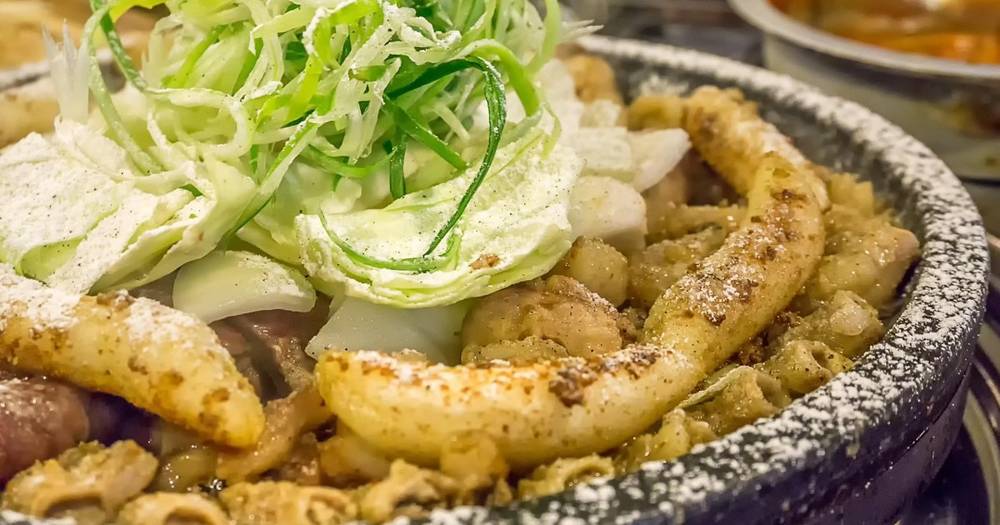
It's one of my go-to Korean BBQ recipes UK style for a quick weeknight dinner, as it comes together quickly once the chicken is marinated. The sauce is incredibly addictive, blending heat with a touch of sweetness.
Making the Marinade:
- Gochujang (Korean chili paste)
- Gochugaru (Korean chili flakes)
- Soy sauce, garlic, ginger, sugar
- Sesame oil
You can adjust the spice level to your preference by adding more or less gochugaru. I find that a good balance brings out the other flavours without overpowering them. Serve it with rice, and you've got a complete, satisfying meal.
4. Spring Onion Pancake (Pajeon)
Pajeon, or Korean spring onion pancake, is a delightful savoury pancake that's crispy on the edges and soft in the middle. It's a fantastic appetizer or snack, especially when paired with a simple dipping sauce.
I've discovered that these pancakes are incredibly forgiving and a brilliant way to use up spring onions. The best part is the texture – that perfect crispiness is what I aim for every time.
Tips for a Crispy Pajeon:
- Use a very hot pan.
- Don't overcrowd the pan.
- Ensure the batter isn't too thick.
- Flip only once or twice for best results.
You can add other ingredients like seafood (haemul pajeon) or kimchi for extra flavour and texture. It's an easy win for anyone new to Korean diet recipes or just looking for a simple, tasty treat.
5. Classic Marinated Beef (Bulgogi)
Bulgogi, meaning "fire meat," is perhaps one of the most famous Korean dishes globally, and for good reason. Thinly sliced beef is marinated in a sweet and savoury sauce, then quickly grilled or stir-fried.

This is a quintessential Korean BBQ recipes UK staple, perfect for gathering friends and family around the table. The marinade is key, tenderising the meat and infusing it with incredible flavour.
Traditional Bulgogi Marinade:
- Soy sauce
- Sugar (often pear juice or grated apple for natural sweetness)
- Sesame oil
- Garlic, ginger, black pepper
- Spring onions
I find that marinating the beef for at least 30 minutes, or ideally a few hours, makes all the difference. Serve with lettuce wraps, rice, and kimchi for a truly authentic experience. It's truly a dish you'll want to master.
6. Soft Tofu Stew (Sundubu Jjigae)
Sundubu Jjigae is a comforting, spicy Korean soft tofu stew, typically served bubbling hot in a stone pot. It's a fantastic dish for a chilly evening and a brilliant way to warm up from the inside out.
The beauty of this stew lies in its simplicity and versatility. You can customise it with different proteins – seafood, pork, or even just vegetables – making it suitable for various dietary preferences. It's a hearty and flavourful option for those exploring Korean diet recipes.
Essential Ingredients:
- Soft (silken) tofu
- Gochugaru (Korean chili flakes)
- Garlic, onion, often kimchi
- Your choice of protein (e.g., clams, pork belly)
- An egg (cracked in at the end)
The soft tofu practically melts in your mouth, absorbing all the rich, spicy broth. It's a truly satisfying dish that I often crave, especially when I'm looking for something nourishing and delicious.
7. Kimchi Fried Rice (Kimchi Bokkeumbap)
Last but certainly not least, Kimchi Bokkeumbap is a classic Korean comfort food that everyone should try. It's quick, easy, and incredibly flavourful, especially when made with fermented kimchi.
This is probably one of the quickest Korean food recipes UK cooks can whip up, making it ideal for a last-minute meal or using up leftover rice. The tanginess of the kimchi combined with the savoury additions is just perfect.
Key to Great Kimchi Fried Rice:
- Aged kimchi (more sour, more flavourful)
- Cold leftover rice (prevents stickiness)
- Pork belly or Spam (optional, but delicious)
- Fried egg on top
I always make sure to have some good quality kimchi in my fridge just for this dish. It's so versatile that you can add anything from canned tuna to bacon. Finish it with a fried egg and a drizzle of sesame oil, and you've got perfection.
Frequently Asked Questions
You'll find most essential Korean ingredients like gochujang, gochugaru, and sesame oil in larger supermarkets with an international aisle. For specialty items like specific noodles or banchan, check dedicated Asian supermarkets in cities or online Korean grocery stores for delivery across the UK.
Many traditional Korean dishes, especially those with lots of vegetables and fermented foods like kimchi, are naturally quite healthy. You can easily adapt these recipes to be even healthier by reducing oil, opting for leaner cuts of meat, or increasing vegetable portions. Kimchi in particular is great for gut health!
Absolutely! While a traditional BBQ grill is fantastic, you can easily cook Korean BBQ recipes like Bulgogi and Dakgalbi using a hot griddle pan, a cast-iron skillet, or even a regular frying pan on your stovetop. Just ensure the pan is very hot to get a nice sear on the meat.
Most Korean dishes store well in airtight containers in the refrigerator for 2-3 days. Stews like Sundubu Jjigae often taste even better the next day as the flavours deepen. Kimchi Bokkeumbap is excellent as a packed lunch, and Japchae can be eaten cold or gently reheated.
Ready to Cook Korean in 2026?
These 7 Korean food recipes are a fantastic starting point for any UK home cook eager to explore Korean cuisine. I've found that with a few key ingredients, you can unlock a world of incredible flavours right in your own kitchen.
Don't be afraid to experiment and adjust the spice levels or vegetables to your liking. I genuinely believe that anyone can master these dishes and bring a little bit of Korea to their dining table.
Which recipe will you try first? Share your culinary adventures in the comments below!
