
Korean Food Recipes: My 2026 Guide to 5 Simple Staples
Korean cuisine has exploded in popularity, and for good reason—it's incredibly flavorful, often healthy, and offers a unique dining experience. But if you've never cooked it before, diving into the world of gochujang and kimchi can feel a bit intimidating.
I remember my first attempt at making japchae; it was a disaster! The noodles clumped, and the seasoning was all wrong. That experience taught me to start with the basics, master a few core dishes, and then build up my skills. That's why I've put together my top 5 simple Korean food recipes for 2026, perfect for beginners.
Kimchi Fried Rice (Kimchi Bokkeumbap)
Kimchi fried rice is arguably one of the easiest and most satisfying Korean food recipes out there. It's a fantastic way to use up leftover rice and slightly old kimchi, transforming them into a hearty meal. This dish is a staple in Korean homes, and for good reason—it's ready in under 15 minutes.
To make it truly shine, use fermented kimchi; its sourness is key. You can add protein like spam or a fried egg on top, but it’s delicious even on its own. This recipe is a perfect entry point if you're looking for korean food recipes easy to follow.
Ingredients for Kimchi Bokkeumbap
- 1 cup cooked rice (day-old is best)
- 1/2 cup chopped kimchi, plus a tablespoon of its juice
- 1/4 cup chopped onion
- 1-2 tablespoons gochujang (Korean chili paste)
- 1 tablespoon soy sauce
- 1 teaspoon sugar
- 1 tablespoon sesame oil
- Cooking oil
- Optional: fried egg, shredded seaweed, sesame seeds for garnish
Steps to Cook
- Heat a tablespoon of cooking oil in a pan over medium heat.
- Add the chopped onion and sauté until translucent, about 2-3 minutes.
- Stir in the chopped kimchi and cook for another 3-4 minutes until it softens.
- Add the cooked rice, gochujang, soy sauce, and sugar. Mix well, breaking up any rice clumps.
- Stir-fry for 5-7 minutes until everything is well combined and heated through.
- Turn off the heat, drizzle with sesame oil, and mix.
- Serve immediately, topped with a fried egg, shredded seaweed, and sesame seeds if desired.
Korean Rolled Omelette (Gyeran Mari)
Gyeran Mari is a simple yet elegant side dish, often found in Korean lunchboxes or served as banchan (side dishes). It's essentially a rolled omelette with various fillings, making it incredibly versatile and one of my favorite healthy korean food recipes. You can add carrots, green onions, or even a slice of cheese.
This dish is fantastic for picky eaters or anyone who enjoys a light, fluffy egg dish. It's also a great way to introduce subtle Korean flavors without overwhelming someone new to the cuisine. I often make this for breakfast or a quick snack.
Ingredients for Gyeran Mari
- 3-4 large eggs
- 2 tablespoons finely chopped carrot
- 2 tablespoons finely chopped green onion
- 1/4 teaspoon salt
- 1 teaspoon water (or milk)
- Cooking oil
Steps to Cook
- In a bowl, whisk eggs with salt and water until well combined.
- Stir in the finely chopped carrots and green onions.
- Heat a non-stick rectangular or round pan over medium-low heat and lightly oil it.
- Pour about 1/3 of the egg mixture into the pan, tilting to form a thin, even layer.
- Once the edges set and the top is still slightly wet, gently roll the omelette from one end to the other using a spatula.
- Push the rolled omelette to one side of the pan. Pour another 1/3 of the egg mixture into the empty space, letting some seep under the rolled portion.
- Once that layer sets, roll the existing omelette over the new layer. Repeat with the remaining egg mixture.
- Once fully rolled, cook for another minute or two, gently pressing down to ensure it's cooked through.
- Remove from pan, slice into 1-inch thick pieces, and serve warm.
Spicy Cucumber Salad (Oi Muchim)
Oi Muchim is a refreshing and vibrant Korean side dish that brings a fantastic crunch and a spicy kick to any meal. It's incredibly simple to prepare, making it one of the quickest korean food recipes. The key is to slightly salt the cucumbers first to draw out excess water, ensuring they stay crisp.
This salad is perfect for a hot summer day or as a contrasting cold side dish next to something warm and rich. I've often served this at BBQs, and it's always a hit because of its refreshing qualities. It's definitely one of those healthy korean food recipes you'll make again and again.
Ingredients for Oi Muchim
- 1 large English cucumber (or 2 Korean cucumbers)
- 1/2 teaspoon salt, for pre-salting
- 1 tablespoon gochugaru (Korean chili flakes)
- 1 tablespoon rice vinegar
- 1 tablespoon soy sauce
- 1 tablespoon sugar
- 1 clove garlic, minced
- 1 teaspoon sesame oil
- 1 tablespoon toasted sesame seeds
- 1 green onion, chopped
Steps to Prepare
- Slice the cucumber into thin rounds or half-moons. Place them in a bowl, sprinkle with 1/2 teaspoon salt, and let sit for 10-15 minutes.
- Drain any accumulated water from the cucumbers, then gently squeeze out excess moisture.
- In a separate bowl, combine gochugaru, rice vinegar, soy sauce, sugar, minced garlic, and sesame oil to make the dressing.
- Add the drained cucumbers and chopped green onion to the dressing. Toss everything together until the cucumbers are evenly coated.
- Stir in the toasted sesame seeds.
- Taste and adjust seasoning if needed. Serve immediately or chill for a short period.
Quick Soy Sauce Noodles (Ganjang Bibim Guksu)
For those days when you need a quick, comforting meal, Ganjang Bibim Guksu is an absolute lifesaver. This dish is a simpler, less spicy cousin to the more famous bibim guksu, focusing on a savory soy sauce base. It's one of my go-to korean food recipes easy to whip up when I'm short on time.
You can use any thin wheat noodles, like somyeon or even spaghetti if that's what you have on hand. It's an incredibly versatile dish, easily adapted to your taste. I often throw in some leftover shredded chicken or a hard-boiled egg for extra protein.
Ingredients for Ganjang Bibim Guksu
- 2 servings thin wheat noodles (e.g., somyeon or ramen noodles without seasoning packet)
- 2 tablespoons soy sauce
- 1 tablespoon sesame oil
- 1 tablespoon sugar or honey
- 1 clove garlic, minced
- 1 tablespoon toasted sesame seeds
- 1/2 teaspoon gochugaru (optional, for a hint of spice)
- Optional: julienned cucumber, shredded carrot, fried egg for garnish
Steps to Cook
- Cook the noodles according to package directions. Drain well and rinse under cold water to stop cooking and remove excess starch.
- In a large bowl, combine soy sauce, sesame oil, sugar/honey, minced garlic, sesame seeds, and gochugaru (if using) to make the sauce.
- Add the cold, drained noodles to the sauce bowl.
- Toss vigorously with your hands (or tongs) until the noodles are thoroughly coated with the sauce.
- Serve immediately, garnished with julienned cucumber, shredded carrot, or a fried egg if desired.
Simple Soft Tofu Stew (Sundubu Jjigae)
Sundubu Jjigae, a comforting soft tofu stew, might sound complicated, but a simplified version is surprisingly easy and incredibly rewarding. This particular version focuses on a quick, flavorful broth without needing a full anchovy stock. It's one of those hearty and healthy korean food recipes that warm you from the inside out, especially on a chilly evening.
The beauty of sundubu is its versatility. You can add seafood, meat, or just vegetables. This recipe is a fantastic starting point for building those complex Korean flavors. Many UK grocery stores now stock soft tofu, making this accessible for korean food recipes UK enthusiasts.
Ingredients for Sundubu Jjigae (Simplified)
- 1 pack (350g) silken or soft tofu, uncut
- 1/2 cup chopped kimchi
- 1/4 cup thinly sliced pork belly or beef (optional)
- 1/4 onion, sliced
- 1 clove garlic, minced
- 1 tablespoon gochugaru (Korean chili flakes)
- 1 tablespoon soy sauce
- 1 teaspoon sesame oil
- 2 cups water or vegetable/chicken broth
- 1 egg (optional)
- Chopped green onions for garnish
- Cooking oil

Steps to Cook
- In a small pot or earthenware bowl (ddukbaegi), heat a tablespoon of cooking oil over medium heat.
- Add sliced pork/beef (if using) and cook until browned.
- Add chopped onion, garlic, and kimchi. Sauté for 3-4 minutes until fragrant.
- Stir in gochugaru and cook for 1 minute, being careful not to burn the chili flakes.
- Pour in the water or broth and soy sauce. Bring to a boil, then reduce heat to a simmer.
- Gently scoop in the soft tofu with a spoon, breaking it into large chunks.
- Simmer for 5-7 minutes. If desired, crack an egg directly into the stew in the last 2 minutes and let it poach.
- Drizzle with sesame oil and garnish with chopped green onions before serving immediately.
Essential Korean Ingredients for Your Pantry
Getting started with Korean cooking means stocking up on a few key ingredients. Don't worry, most are now widely available in Asian markets, online, and even mainstream supermarkets. Having these on hand makes preparing korean food recipes in hindi or any language much easier.
- Kimchi: Fermented cabbage, essential for countless dishes. Look for it in the refrigerated section.
- Gochujang: Korean chili paste, providing a rich, savory heat. It's a cornerstone of Korean flavor.
- Gochugaru: Korean chili flakes, offering a clean, vibrant spice without the intense heat of other chili flakes.
- Soy Sauce: A fundamental seasoning. Korean soy sauce (ganjang) is usually lighter in color and saltier than Japanese varieties.
- Sesame Oil: Toasted sesame oil is a finishing oil, adding a deep, nutty aroma.
- Sesame Seeds: Toasted, for garnish and flavor.
- Rice Vinegar: Used for balancing flavors and adding tang.
- Soft Tofu (Silken Tofu): Crucial for stews like Sundubu Jjigae, known for its delicate texture.
Frequently Asked Questions
Start with simple, single-dish meals like Kimchi Fried Rice or Gyeran Mari. Focus on understanding a few core ingredients like kimchi and gochujang. Don't feel pressured to make elaborate multi-course meals right away. My personal experience shows that mastering a few staples builds confidence quickly.
Beyond the dishes covered here, easy traditional options include Kimchi Jjigae (kimchi stew), Japchae (glass noodle stir-fry, though a bit more involved than these), and various namul (seasoned vegetable side dishes). Many banchans are surprisingly simple to prepare.
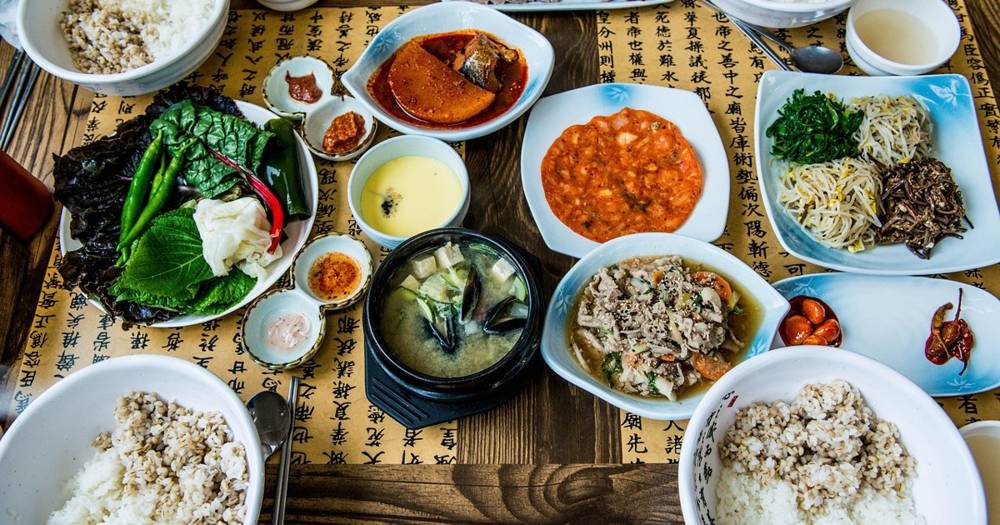
Korean food recipes generally refer to the traditional culinary practices and dishes of Korea. It's characterized by bold, spicy, savory, and often fermented flavors. Staples include rice, noodles, tofu, vegetables, and meats, often served with numerous side dishes (banchan) and fermented ingredients like kimchi. There's a strong emphasis on fresh, seasonal ingredients.
Yes, many Korean food recipes are inherently healthy. They often feature a high proportion of vegetables, lean proteins, and fermented foods that are good for gut health. Dishes like Oi Muchim and Gyeran Mari are great examples. While some dishes can be higher in sodium or have fried components, overall, it's a balanced cuisine when prepared thoughtfully.
Ready to Cook?
These five simple Korean food recipes are fantastic for anyone looking to bring the flavors of Korea into their kitchen in 2026, without the fuss. I've found that starting with these staples builds a strong foundation for exploring more complex dishes later on. Give them a try, and you might just find your new favorite go-to meal!
What are your favorite easy Korean dishes? Share your thoughts and questions in the comments below, I'd love to hear from you!
