Korean Food Recipes: My 2026 Picks for Beginners
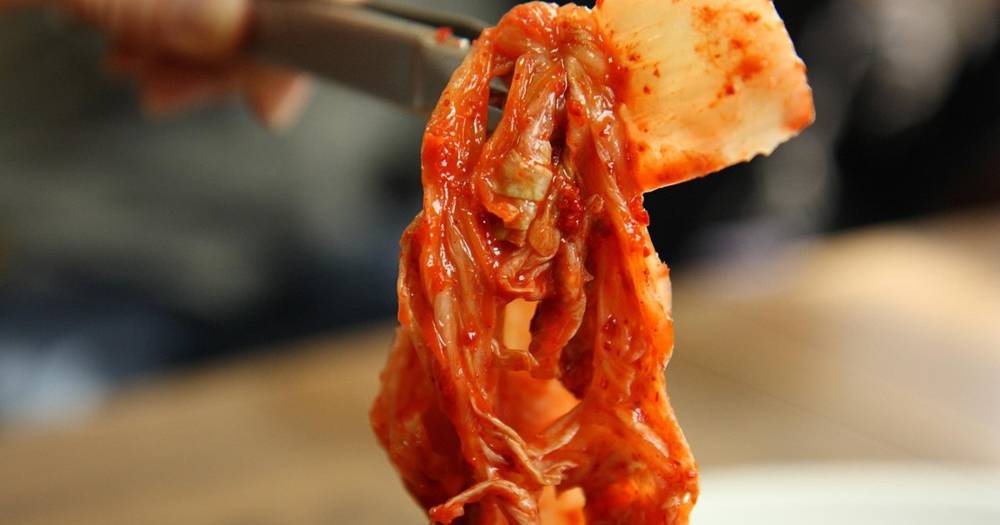
Stepping into the world of Korean cuisine can feel a bit overwhelming, especially with all those unique ingredients and flavors. When I first tried making kimchi at home a few years ago, I definitely underestimated the fermentation process; let's just say my first batch wasn't quite right!
But don't worry, you won't make the same mistakes. I've curated a list of the absolute best and easiest Korean food recipes perfect for beginners in 2026. These dishes are not only simple to master but also incredibly delicious and often surprisingly healthy.
Whether you're looking for quick weeknight meals or want to impress friends, these recipes will give you a fantastic start. Get ready to explore authentic Korean flavors right in your own kitchen!
Getting Started with Korean Cooking Essentials
Before you dive into making these delicious Korean food recipes, it's helpful to have a few staple ingredients on hand. You don't need everything at once, but these items will form the backbone of many dishes.
Most of these can be found at a local Asian grocery store, or even in the international aisle of larger supermarkets. If you're in the UK, places like Wing Yip or online stores are excellent resources.
Here are some key ingredients I always keep stocked:
- Gochujang (Korean Chili Paste): This fermented chili paste adds a unique sweet, savory, and spicy kick. It's essential for many iconic Korean flavors.
- Gochugaru (Korean Chili Flakes): Less pasty than gochujang, these flakes offer pure heat and vibrant color. They're milder than most chili flakes.
- Soy Sauce: A fundamental seasoning. Opt for a good quality Korean or Japanese soy sauce for best results.
- Sesame Oil: Used for finishing dishes, it provides a distinctive nutty aroma. A little goes a long way.
- Toasted Sesame Seeds: Great for garnish, adding a pleasant crunch and visual appeal.
- Garlic and Ginger: Freshly minced garlic and ginger are crucial aromatics in almost every Korean dish.
- Rice Vinegar: Adds a touch of acidity and balance to many preparations.
Having these ready will make your cooking process much smoother. You'll find yourself reaching for them constantly as you explore more Korean food recipes easy to master.
Kimchi Fried Rice (Kimchi Bokkeumbap)
Kimchi fried rice is arguably one of the most comforting and satisfying Korean food recipes out there. It's a fantastic way to use up leftover rice and slightly aged kimchi, which actually enhances the flavor.
I make this at least once a week because it's incredibly quick and customizable. Plus, it's a great example of healthy Korean food recipes if you control the oil and add extra vegetables.
Ingredients:
- 2 cups cooked day-old rice
- 1 cup chopped kimchi, squeezed of excess liquid
- 2-3 tbsp kimchi juice (from squeezing the kimchi)
- 1/4 cup chopped onion
- 1/4 cup diced protein (spam, pork belly, chicken, or tofu)
- 1 tbsp soy sauce
- 1 tsp gochujang (optional, for extra spice)
- 1 tbsp sesame oil
- 1 egg, fried (for topping)
- Scallions and sesame seeds for garnish
Instructions:
- Heat a large pan or wok over medium-high heat. Add a bit of cooking oil.
- Stir-fry the onion and your chosen protein until cooked through.
- Add the chopped kimchi and stir-fry for 2-3 minutes until fragrant.
- Add the day-old rice, kimchi juice, soy sauce, and gochujang (if using). Break up any clumps of rice and mix everything thoroughly.
- Continue to stir-fry for another 5-7 minutes, ensuring all ingredients are well combined and heated through.
- Drizzle with sesame oil, then serve immediately topped with a fried egg, chopped scallions, and a sprinkle of sesame seeds.
Korean Rolled Omelette (Gyeran Mari)
Gyeran Mari is a staple side dish (banchan) that's surprisingly easy and elegant. It's a fantastic option for Korean food recipes easy to whip up, and kids absolutely love it.
I often add finely diced carrots or spinach to mine for extra nutrients. It’s a great way to sneak in some veggies without anyone noticing too much!
Ingredients:
- 4 large eggs
- 2 tbsp water or milk
- Pinch of salt
- Optional: 1 tbsp finely chopped carrots, scallions, or seaweed
Instructions:
- Whisk eggs, water/milk, and salt in a bowl. Add any optional vegetables.
- Lightly grease a non-stick rectangular or round pan (about 8-10 inches) and heat over low-medium heat.
- Pour about 1/3 of the egg mixture into the pan, tilting to form a thin, even layer.
- As the edges set but the center is still slightly runny, gently roll the omelette from one end to the other using a spatula. Push the rolled egg to one side of the pan.
- Pour another 1/3 of the egg mixture into the empty space, allowing some to seep underneath the rolled egg.
- Repeat the rolling process, incorporating the new egg layer. Continue until all egg mixture is used, creating a thick, layered roll.
- Once cooked, remove from pan, let cool slightly, then slice into 1-inch thick pieces.
Spicy Rice Cakes (Tteokbokki)
Tteokbokki is a quintessential Korean street food, and it's surprisingly simple to make at home. The chewy rice cakes bathed in a fiery, sweet, and savory gochujang sauce are utterly addictive. This is one of those Korean food best recipes that everyone should try.
My first attempt at tteokbokki resulted in a sauce that was a bit too thin, but I quickly learned to reduce it for that perfect sticky consistency. Don't be afraid to adjust the spice level to your preference!

Ingredients:
- 1 lb cylindrical rice cakes (tteok), soaked in warm water for 10 minutes if frozen/hard
- 3 cups anchovy broth or water
- 1/4 cup gochujang
- 1 tbsp gochugaru (adjust for spice)
- 1 tbsp soy sauce
- 1 tbsp sugar or corn syrup
- 1/2 cup sliced onion
- 2-3 fish cakes (eomuk), sliced (optional)
- 1 hard-boiled egg or ramen noodles (optional additions)
- Scallions for garnish
Instructions:
- In a large pot, bring the anchovy broth (or water) to a boil.
- Add gochujang, gochugaru, soy sauce, and sugar/corn syrup. Stir well until the paste dissolves.
- Add the softened rice cakes and sliced onion. Cook over medium-high heat, stirring occasionally, until the sauce thickens and rice cakes are soft and chewy (about 8-10 minutes).
- If using, add fish cakes, hard-boiled egg, or ramen noodles during the last 3-5 minutes of cooking.
- Garnish with chopped scallions and serve hot.
Soy Garlic Chicken (Dakgangjeong Style)
For those who love fried chicken, this Korean food recipes UK favorite (and globally!) offers a sticky, sweet, and savory alternative. It’s less spicy than some Korean dishes, making it broadly appealing.
I find that double-frying the chicken makes all the difference for that irresistible crispiness. This recipe is a fantastic way to impress guests without too much effort.
Ingredients:
- 1 lb boneless, skinless chicken thighs or breast, cut into 1-inch pieces
- 1/2 cup potato starch or cornstarch
- Salt and black pepper to taste
- Oil for frying
- Sauce:
- 2 tbsp soy sauce
- 2 tbsp sugar or corn syrup
- 2 tbsp mirin (rice wine)
- 1 tbsp minced garlic
- 1 tsp grated ginger
- 1 tsp sesame oil
- Pinch of black pepper
- Toasted sesame seeds for garnish
Instructions:
- Pat chicken dry, season with salt and pepper, then toss with potato starch until fully coated.
- Heat oil in a deep pan or pot to 350°F (175°C). Fry chicken in batches for 4-5 minutes until lightly golden. Remove and drain.
- Increase oil temperature to 375°F (190°C). Double-fry the chicken for another 2-3 minutes until deeply golden and crispy. Remove and drain.
- While chicken cooks, combine all sauce ingredients in a small saucepan. Bring to a simmer over medium heat, stirring until slightly thickened (about 2-3 minutes).
- In a large bowl, toss the crispy chicken with the warm sauce until evenly coated.
- Garnish with toasted sesame seeds and serve immediately.
Quick Bibimbap Bowl
Bibimbap, meaning "mixed rice," is a vibrant and balanced dish that's incredibly versatile. It's one of my favorite Korean food recipes healthy because you can pack it with so many vegetables.
Making a quick version means using whatever fresh or leftover veggies you have. A fried egg on top is non-negotiable for me, adding that perfect rich yolk!
Ingredients:
- 1 cup cooked rice per serving
- Assorted cooked vegetables (e.g., sautéed spinach, shredded carrots, zucchini, bean sprouts, mushrooms)
- Optional: Cooked protein (e.g., bulgogi, ground beef, tofu)
- 1 fried egg per serving
- Bibimbap Sauce:
- 1 tbsp gochujang
- 1 tsp sesame oil
- 1 tsp sugar
- 1 tsp rice vinegar
- 1 tsp toasted sesame seeds
- 1 clove minced garlic
Instructions:
- Prepare your vegetables: Lightly sauté or blanch individual vegetables, seasoning with a tiny pinch of salt and sesame oil.
- If using, cook your preferred protein.
- Fry an egg sunny-side up or over easy.
- In a bowl, combine all bibimbap sauce ingredients and mix well.
- Assemble your bowl: Place a scoop of warm rice at the bottom. Artistically arrange the cooked vegetables and protein around the rice.
- Place the fried egg on top.
- Drizzle a generous spoonful of the bibimbap sauce over everything.
- Serve and mix thoroughly before eating.
Essential Tips for Beginner Korean Cooks
Embarking on your journey with Korean food recipes is exciting! To make your experience more enjoyable and successful, I've gathered a few tips I wish I knew when I started.
Don't be afraid to experiment with the flavors. Korean cooking often involves tasting and adjusting as you go, especially with spice levels.
- Taste as You Go: This is crucial. Korean dishes often balance sweet, salty, spicy, and umami. Don't be shy about adding a little more soy sauce, sugar, or gochujang until it tastes right to you.
- Quality Ingredients Matter: Especially for staples like kimchi and soy sauce. Better quality ingredients genuinely lead to better-tasting food.
- Don't Fear the Ferment: Kimchi, gochujang, and doenjang (fermented soybean paste) are fundamental. They add incredible depth of flavor. Embrace them!
- Master Your Knife Skills: Many Korean food recipes in Hindi and English alike call for thinly sliced vegetables or finely minced garlic and ginger. Good knife work makes a difference in texture and cooking time.
- Leftovers are Your Friend: Many Korean dishes, like kimchi stew or bibimbap, taste even better the next day. Plan for delicious next-day meals.
- Explore Local Markets: If you're looking for fresh and authentic ingredients, especially in the UK, seeking out specialist Asian grocery stores will open up a whole new world of possibilities.
Frequently Asked Questions
Cooking Korean food typically involves balancing spicy, savory, sweet, and often fermented flavors. Common techniques include stir-frying, stewing, grilling, and pickling. Many recipes rely on staple ingredients like gochujang (chili paste), gochugaru (chili flakes), soy sauce, sesame oil, garlic, and ginger. Starting with simple dishes like kimchi fried rice or a rolled omelette helps build foundational skills.
There are many easy Korean food recipes perfect for beginners. Some of the simplest include Kimchi Bokkeumbap (Kimchi Fried Rice), Gyeran Mari (Korean Rolled Omelette), and simple seasoned banchan (side dishes) like 숙주나물 (sookju namul - seasoned bean sprouts). Bibimbap can also be very easy if you use pre-cooked or quickly sautéed vegetables.
Korean food is renowned for its bold, spicy, and often fermented flavors. Kimchi, a fermented cabbage dish, is perhaps the most famous. Other hallmarks include barbecue (bulgogi, galbi), stews (jjigae), rice dishes (bibimbap), and a wide array of banchan (small side dishes) served with almost every meal. It's a cuisine that emphasizes fresh vegetables, meat, and seafood, with a strong focus on health and balance.
Beyond kimchi, traditional Korean foods include dishes like Bibimbap (mixed rice with vegetables and meat), Bulgogi (marinated grilled beef), Japchae (stir-fried glass noodles with vegetables), Sundubu Jjigae (soft tofu stew), and Gyeran Jjim (steamed egg custard). These dishes represent the diverse flavors and cooking methods that are central to Korean culinary heritage.
Ready to Cook Korean in 2026?
Embarking on your Korean culinary adventure with these beginner-friendly Korean food recipes should be exciting, not intimidating. I truly believe that with a few key ingredients and some patience, anyone can create delicious Korean meals at home.
Don't be afraid to adjust spice levels or substitute ingredients based on what you have available. The most important thing is to have fun and enjoy the process. I've had so much joy discovering these flavors, and I hope you will too.
What's your favorite beginner Korean dish? Share your thoughts and any questions in the comments below!
