Korean Food Recipes: My 2026 Guide to Family Favorites
Korean cuisine has truly captured hearts globally, and honestly, my family is no exception. We've been diving deep into various Korean food recipes for years now, and I've found some absolute gems that make dinner time exciting and delicious.
This year, 2026, I'm sharing our tried-and-true favorites, focusing on those Korean food recipes that are not only easy to prepare but also pack a healthy punch. Whether you're a seasoned chef or just starting your culinary adventure, you'll find something wonderful here.
Hearty Kimchi Jjigae: The Ultimate Comfort Stew
Nothing says comfort quite like a bubbling pot of Kimchi Jjigae. This savory, spicy, and slightly sour stew is a staple in Korean homes, and it's surprisingly simple to make.
I remember my first attempt; I was worried about the fermentation of kimchi, but it actually adds incredible depth of flavor. For a truly authentic taste, use well-fermented kimchi – the older, the better!
Key Ingredients for Kimchi Jjigae
- Aged Kimchi: About 2 cups, chopped. This is non-negotiable for flavor.
- Pork belly or Tofu: 1/2 lb, cut into bite-sized pieces. You can easily make this a vegetarian Korean food recipe.
- Onion & Garlic: Essential aromatics for building the base.
- Gochujang (Korean chili paste) & Gochugaru (chili flakes): For that signature spice and color.
- Mushrooms & Green Onions: Adds texture and freshness.
- Kimchi juice: Don't throw it out! It’s packed with flavor.
Making this dish is incredibly satisfying. It’s one of those Korean food recipes easy enough for a weeknight but impressive enough for guests.
Classic Bulgogi: A Sweet and Savory Delight
Bulgogi, or "fire meat," is probably one of the most famous Korean food recipes, and for good reason. It’s thinly sliced marinated beef, often grilled, offering a perfect balance of sweet and savory notes.
My kids absolutely devour this dish. The secret lies in the marinade, which tenderizes the meat beautifully. It's also a great way to introduce someone to Korean cuisine.
Crafting the Perfect Bulgogi Marinade
The marinade is what makes bulgogi truly shine. Here's what you'll need for about 1 lb of beef (sirloin or ribeye works best, thinly sliced):
- Soy Sauce: 1/4 cup. The base of the savory flavor.
- Brown Sugar or Honey: 2 tablespoons. For sweetness and caramelization.
- Sesame Oil: 1 tablespoon. Adds a nutty aroma.
- Minced Garlic & Ginger: 1 tablespoon each. Aromatic powerhouses.
- Pear or Apple Puree: 2 tablespoons. This is my secret weapon for tenderizing and adding natural sweetness.
- Black Pepper: 1 teaspoon.
Marinate the beef for at least 30 minutes, or even better, overnight for maximum flavor penetration. You can pan-fry it or grill it; both methods yield fantastic results for this classic Korean food recipe.
Colorful Japchae: A Versatile Noodle Dish
Japchae, a vibrant stir-fried glass noodle dish, is a fantastic option if you're looking for Korean food recipes healthy and full of vegetables. It’s also naturally gluten-free if you use 100% sweet potato starch noodles.
I love making japchae because it’s a feast for the eyes as much as the palate. The combination of different colored vegetables makes it incredibly appealing, especially for picky eaters.
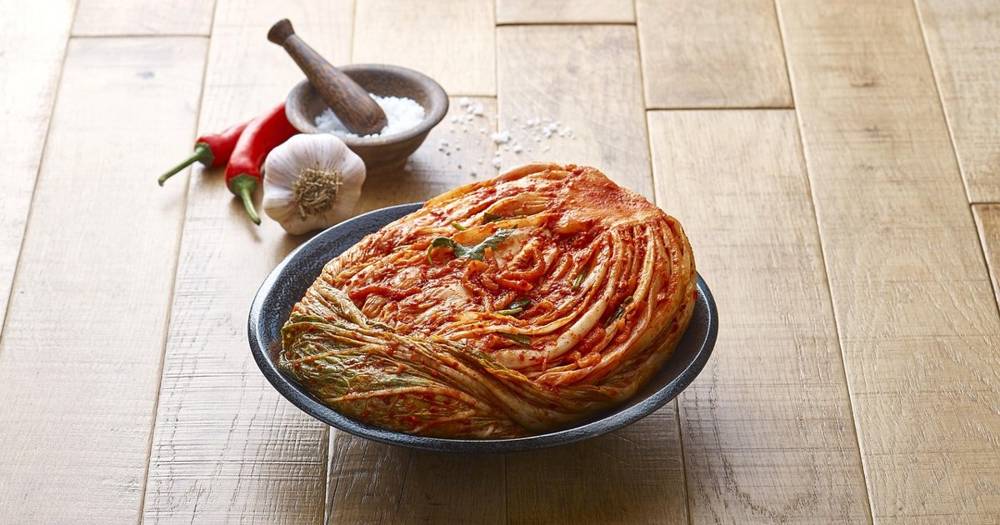
Elements of a Great Japchae
The beauty of japchae is its versatility. You can use almost any vegetables you have on hand. Here’s a typical lineup:
- Dangmyeon (Glass Noodles): Sweet potato starch noodles, which become delightfully chewy.
- Assorted Vegetables: Spinach, carrots, onions, bell peppers, mushrooms. Sauté them separately to maintain their texture and color.
- Protein: Thinly sliced beef, tofu, or even just eggs.
- Soy Sauce & Sesame Oil Dressing: The simple yet essential flavoring.
The key is to cook each component separately and then combine them with the noodles and seasoning. This ensures everything is perfectly cooked and retains its distinct flavor. It's a great choice among Korean food recipes to serve as a side or a light main.
Nutritious Bibimbap: A Bowl of Balanced Flavors
Bibimbap, meaning "mixed rice," is a glorious bowl of warm rice topped with sautéed vegetables (namul), gochujang, a fried egg, and often sliced meat. It’s one of the most iconic Korean food recipes, and for good reason – it’s a complete meal in one bowl!
For me, bibimbap is the epitome of a balanced meal. You get your carbs from the rice, protein from the egg/meat, and a whole spectrum of vitamins from the colorful array of vegetables. It’s also highly customizable, making it perfect for using up whatever you have in the fridge.
Building Your Perfect Bibimbap Bowl
- Warm Rice: The foundation. Short-grain white rice is traditional.
- Seasoned Vegetables (Namul): Common choices include spinach, bean sprouts, zucchini, carrots, and fernbrake (gosari). Each is lightly seasoned and sautéed.
- Protein: Thinly sliced beef, chicken, or tofu. My preference is beef bulgogi for an extra kick.
- Fried Egg: A sunny-side up egg with a runny yolk is crucial for mixing into the rice.
- Gochujang: The spicy, savory paste that ties everything together. Adjust to your heat preference!
- Sesame Oil & Seeds: For that essential nutty finish.
Mix everything thoroughly right before eating. The combination of textures and flavors in bibimbap is simply incredible. It's definitely one of the Korean food recipes healthy eaters will appreciate.
Quick Tip for Korean Food Recipes UK and Global Kitchens
Many traditional Korean ingredients like gochujang, gochugaru, and sesame oil are now widely available in Asian supermarkets across the UK, US, and other regions. Don't be shy about exploring your local international aisle!
Spicy Tteokbokki: A Street Food Sensation at Home
If you're a fan of spicy street food, then learning to make Tteokbokki at home is a must. These chewy rice cakes in a fiery, sweet, and savory gochujang sauce are incredibly addictive.
I first tried tteokbokki during a trip and immediately knew I had to recreate it. While it looks intimidating, it's actually one of the simpler Korean food recipes to master, provided you have the right ingredients.
Making Authentic Tteokbokki
- Korean Rice Cakes (Tteok): Look for cylinder-shaped ones. Fresh or frozen both work.
- Gochujang & Gochugaru: The primary sources of heat and flavor.
- Dashima (Kelp) and Dried Anchovy Broth: Provides a rich umami base. This step makes a huge difference.
- Fish Cakes (Eomuk): Adds another layer of savory flavor and texture.
- Boiled Egg & Green Onions: Common toppings that complete the dish.
The sauce needs to be thick enough to coat the rice cakes perfectly. Simmering the rice cakes in the sauce for about 10-15 minutes ensures they absorb all that delicious flavor. This is one of those Korean food recipes easy to whip up when a craving hits.
Essential Korean Side Dishes (Banchan)
No Korean meal is complete without an array of banchan (side dishes). They truly elevate the dining experience, offering contrasting textures and flavors. Many Korean food recipes in hindi also emphasize a variety of sides.
When I cook a main Korean dish, I always try to prepare at least two or three simple banchan. They're often quick to make and can be prepared in advance, making meal prep a breeze.
My Go-To Banchan
- Gyeran-jjim (Steamed Egg): A fluffy, savory steamed egg custard. So comforting and pairs well with spicy mains.
- Sigeumchi-namul (Seasoned Spinach): Blanched spinach seasoned with garlic, soy sauce, and sesame oil. Simple and refreshing.
- Kongnamul-muchim (Seasoned Soybean Sprouts): Crunchy and light, often seasoned similarly to spinach.
- Oi Muchim (Spicy Cucumber Salad): Crisp cucumbers tossed in a sweet, sour, and spicy dressing. A great palate cleanser.
These banchan are fantastic because they add variety without much effort. They also contribute to a more Korean food recipes healthy meal overall, packed with extra vegetables.
Pro Tip for Making Korean Food Recipes
Always taste as you go! Korean cooking often involves balancing sweet, spicy, salty, and savory flavors. Don't be afraid to adjust seasonings like soy sauce, sugar, or gochujang to suit your family's palate.
| Dish | Main Flavor Profile | Difficulty Level | Prep Time (Approx.) | Good For... |
|---|---|---|---|---|
| Kimchi Jjigae | Spicy, Sour, Savory | Easy-Medium | 30 min | Comfort Food, Cold Weather |
| Bulgogi | Sweet, Savory, Umami | Easy | 20 min (+ marinating) | Crowd-pleaser, BBQ |
| Japchae | Savory, Lightly Sweet | Medium | 45 min | Vegetable-heavy, Potlucks |
| Bibimbap | Mixed, Balanced, Spicy | Medium | 40 min | Healthy Meal, Customizable |
| Tteokbokki | Spicy, Sweet, Chewy | Easy | 25 min | Snack, Street Food Craving |
Frequently Asked Questions
Cooking Korean food at home is much easier than it seems! Start with simple Korean food recipes easy to follow, like bulgogi or seasoned spinach. Focus on gathering key ingredients like gochujang, gochugaru, and sesame oil, and don't be afraid to experiment with flavors. Many dishes are stir-fries, stews, or marinated meats, which are very accessible for home cooks.
For beginners, I highly recommend starting with Bulgogi (marinated beef), Japchae (glass noodles), or simple Banchan (side dishes) like seasoned spinach or soybean sprouts. These Korean food recipes have straightforward steps and fewer complex techniques, allowing you to build confidence in Korean cooking.
Traditional Korean food emphasizes a balance of flavors (spicy, savory, sweet, sour), vibrant colors, and a variety of textures. Meals typically center around rice, served with a main dish (like meat or stew) and numerous small side dishes (banchan). Fermented foods, especially kimchi, are central to the cuisine, providing unique depths of flavor and health benefits.
For family meals, dishes like Kimchi Jjigae (kimchi stew), Bulgogi (marinated grilled beef), and Bibimbap (mixed rice bowl) are excellent choices. They are hearty, flavorful, and offer variety. Also, Japchae (glass noodles) is always a hit, as it’s packed with veggies and delicious noodles. These Korean food recipes are generally well-loved by all ages.
Wrapping Up Your Korean Culinary Journey
Exploring Korean food recipes has truly enriched my family's dinner table, and I hope these favorites inspire you too. From the comforting warmth of Kimchi Jjigae to the sweet and savory delight of Bulgogi, there's so much to discover.
Don't be afraid to dive in and try these Korean food recipes, whether you're in the UK, looking for healthy options, or even Korean food recipes in Hindi for broader understanding. The joy of cooking and sharing these delicious meals is truly rewarding. What's your favorite Korean dish, or which one are you excited to try first?
